
Last updated November 25, 2026
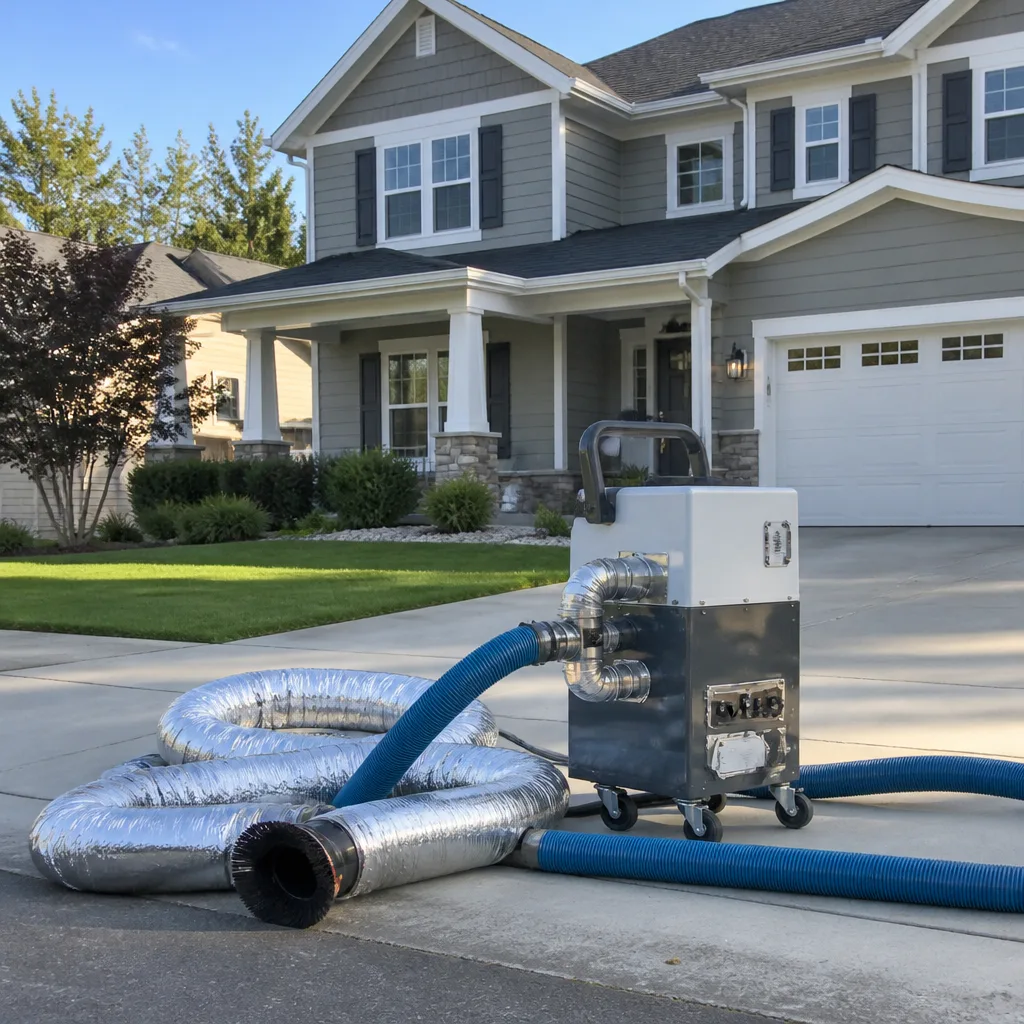 Whole-home duct cleaning
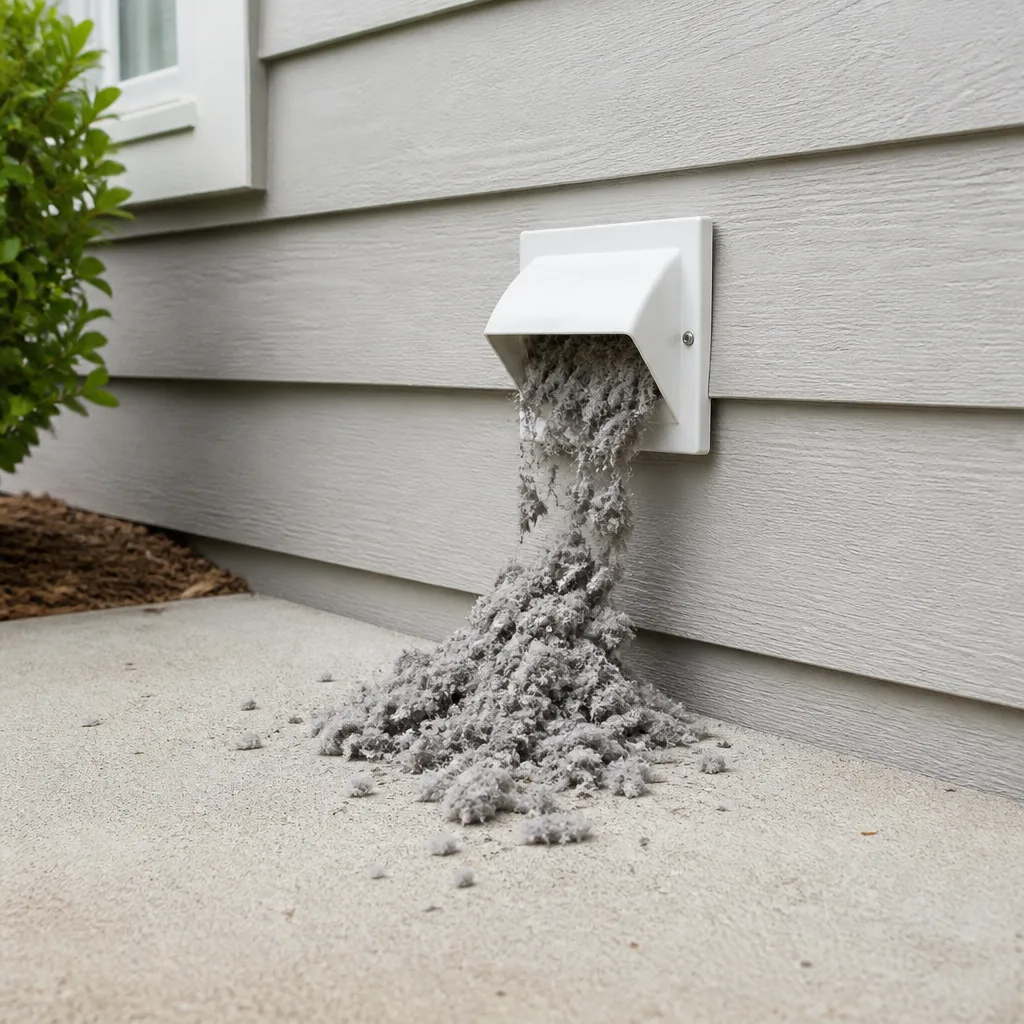 Dryer vent cleaning
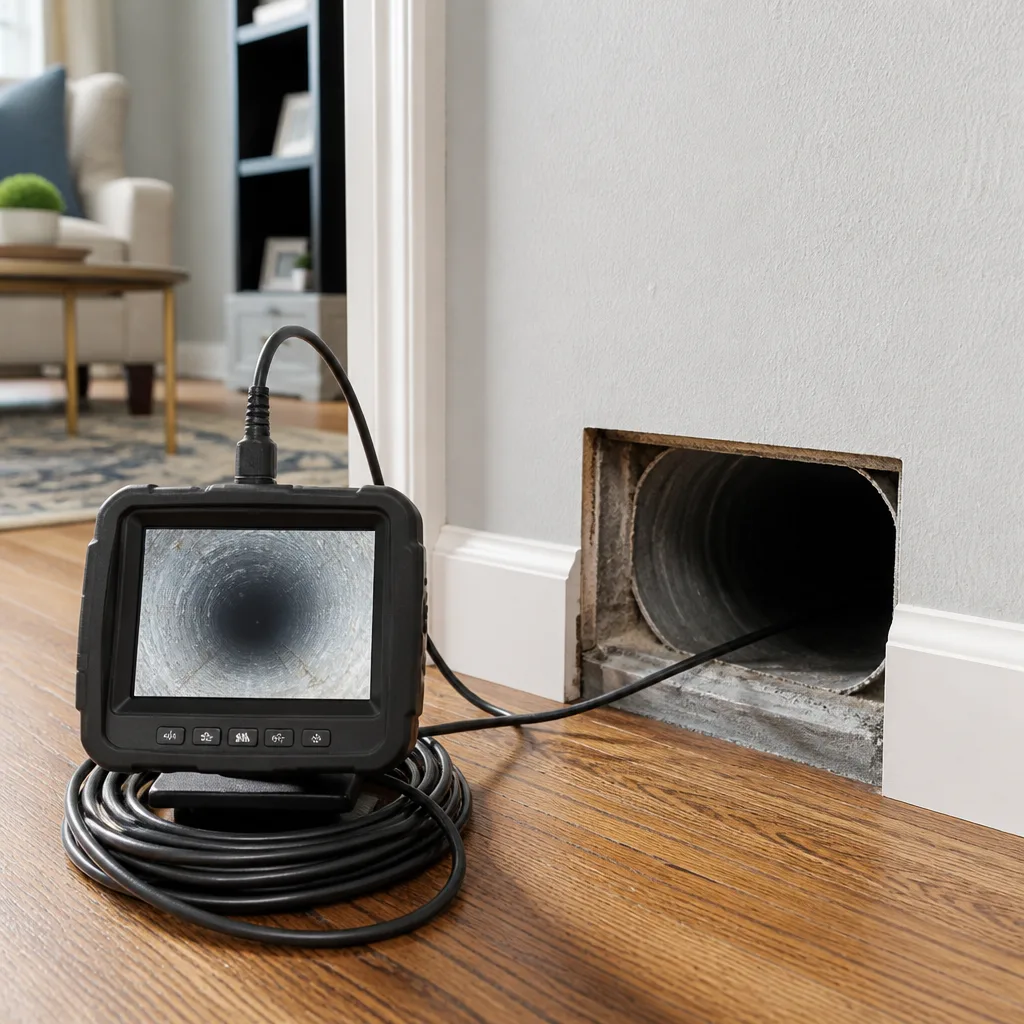 Camera inspection
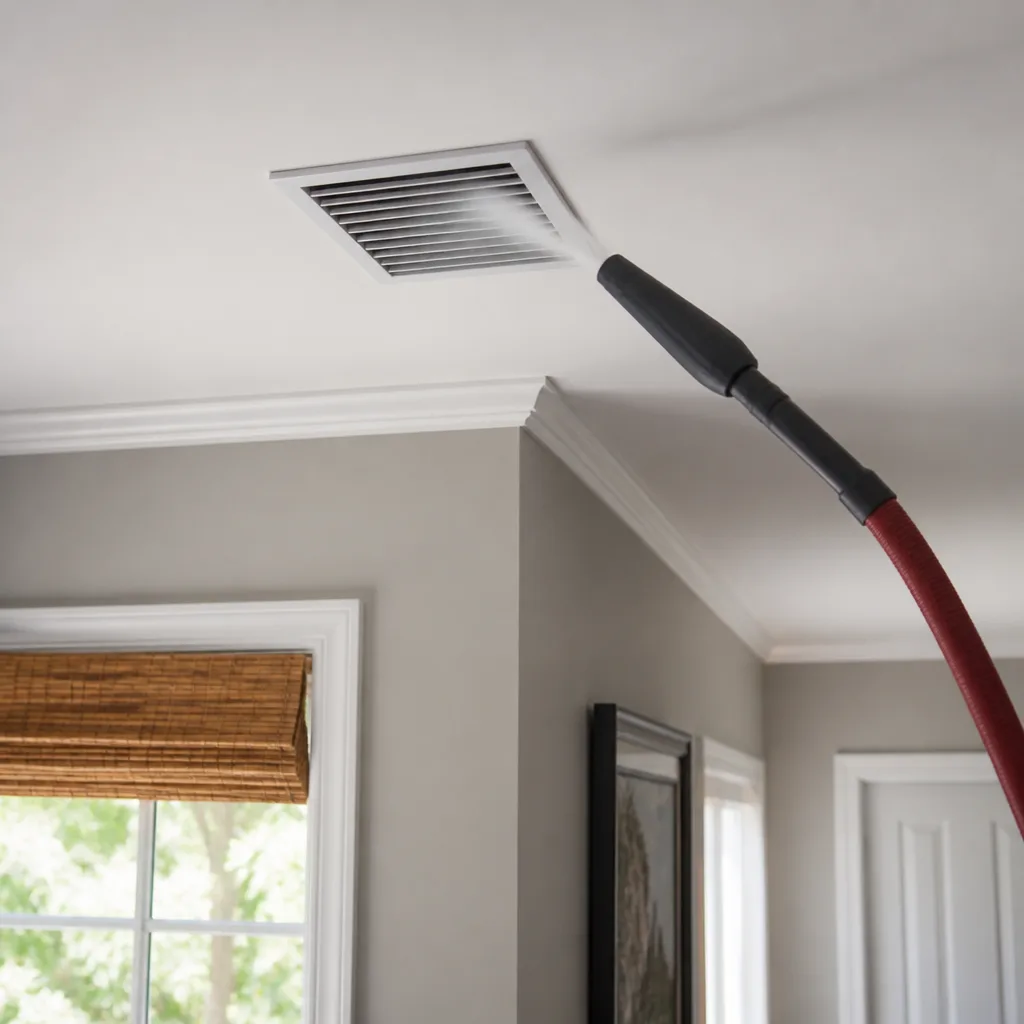 Sanitizing & deodorizing
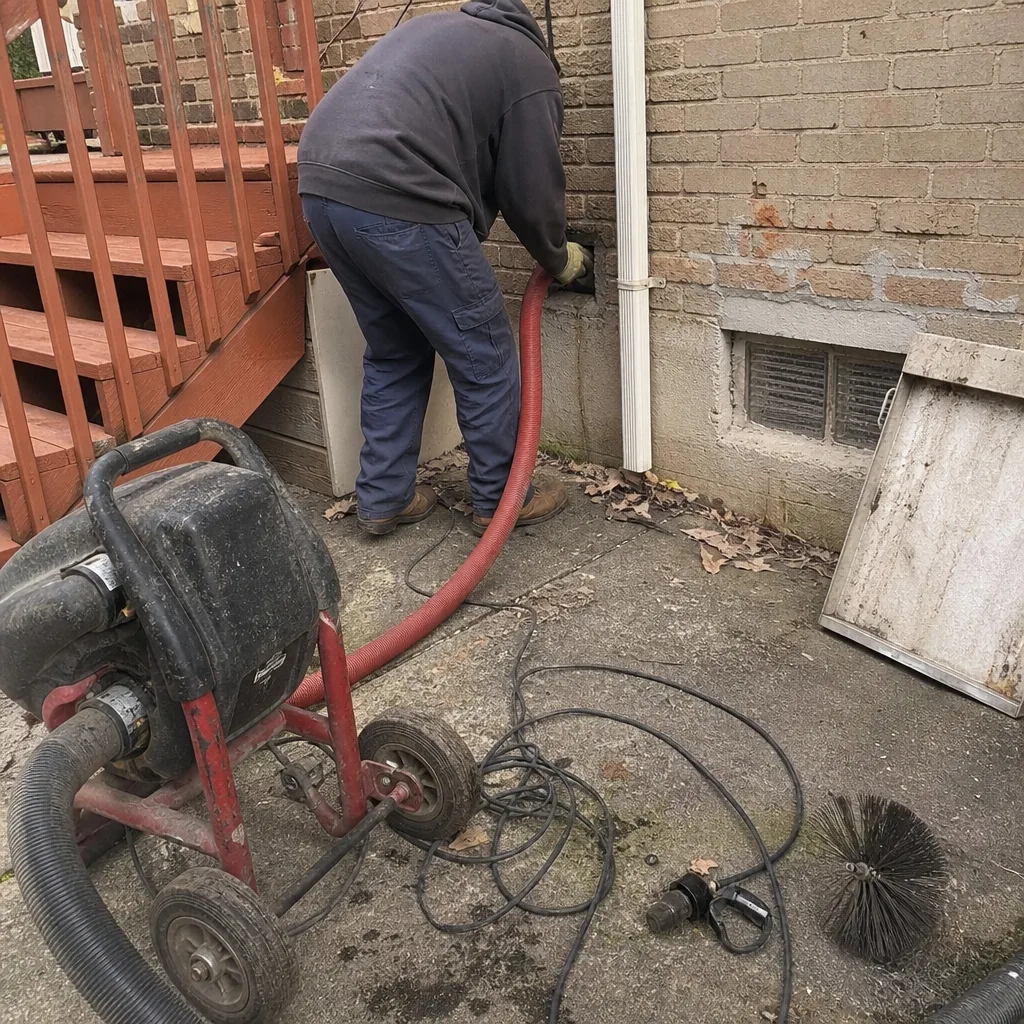
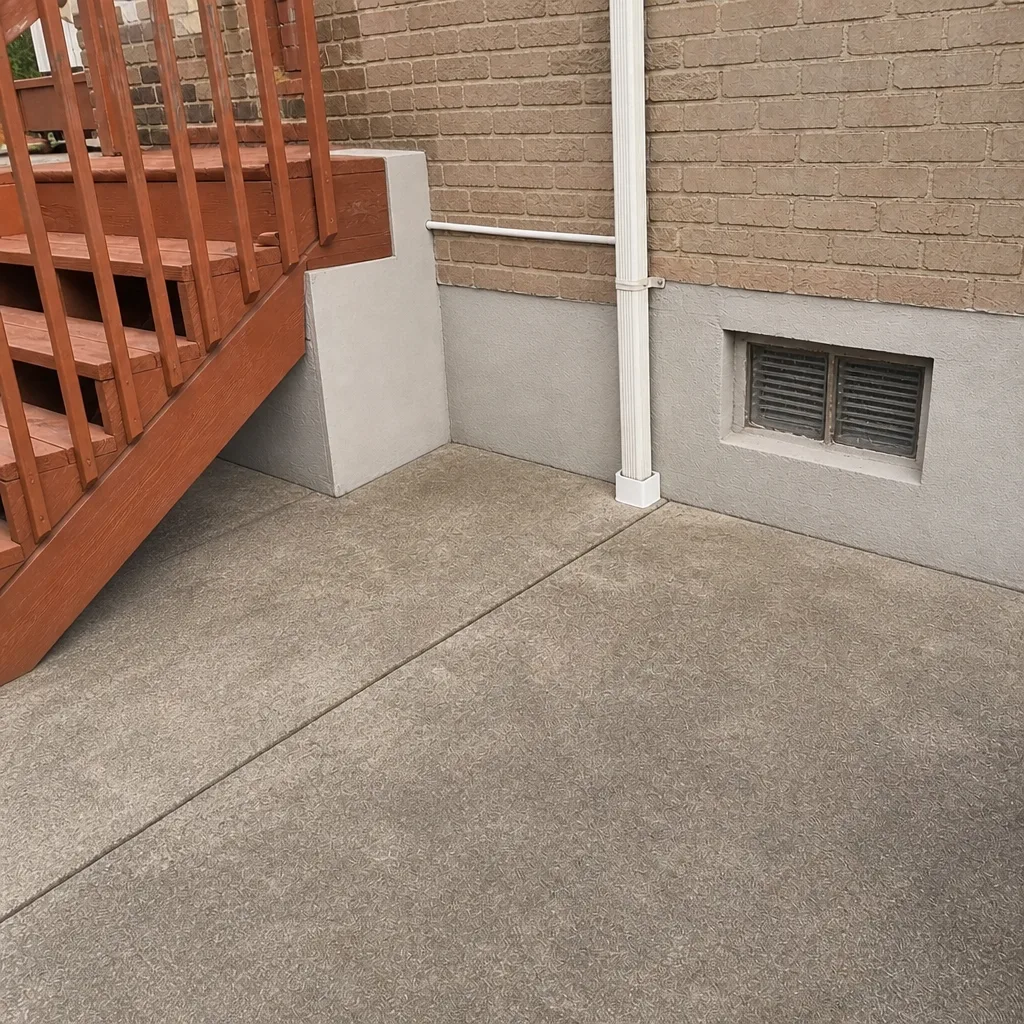
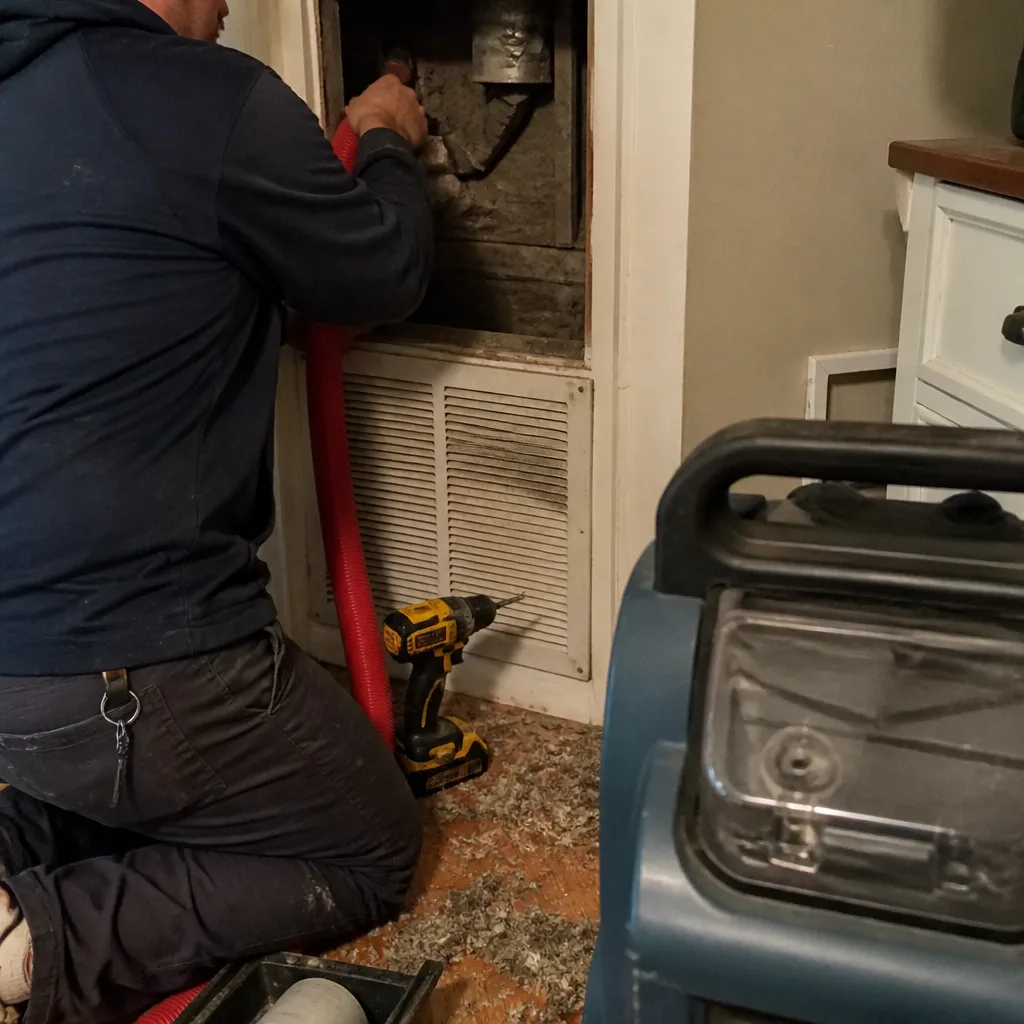
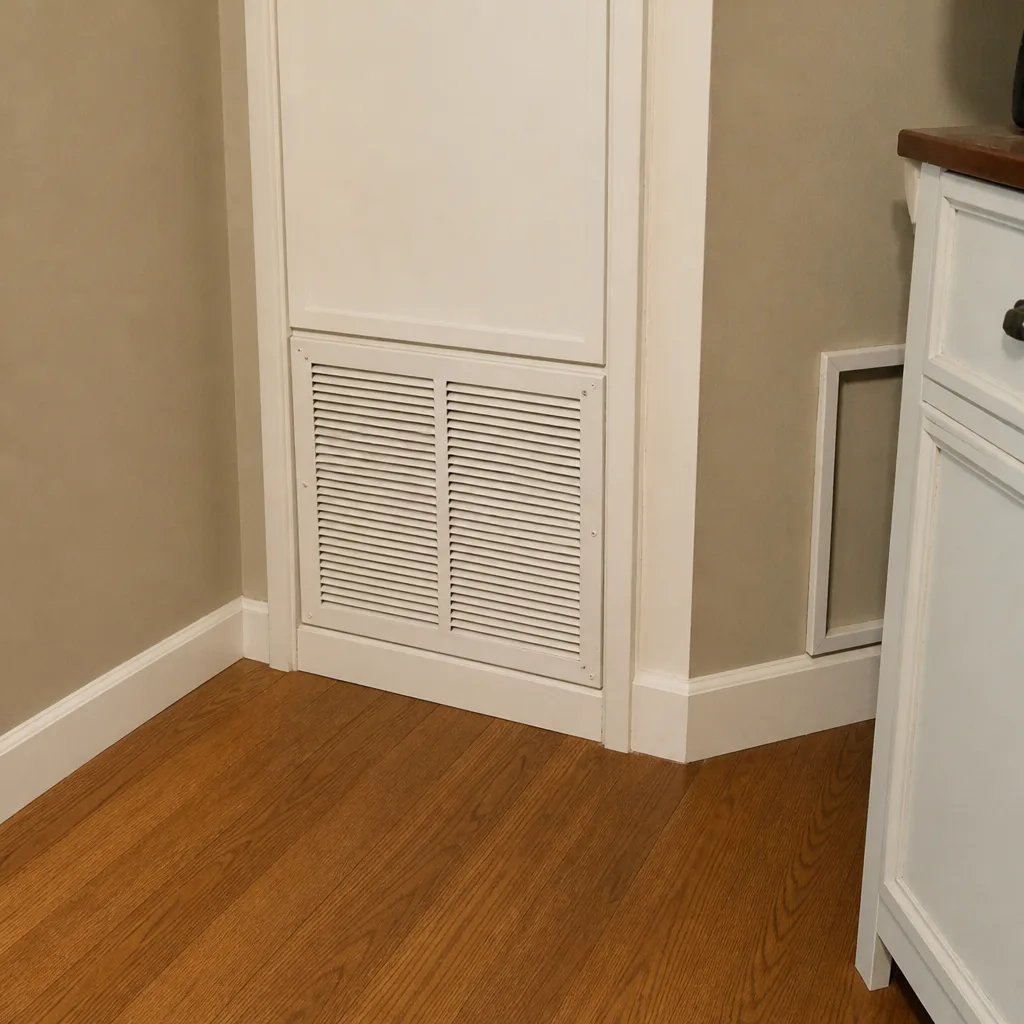
Whole-system duct and dryer vent check with before-and-after photos - you see exactly what came out of your vents
That "$99 whole-house special" is a bait ad - the real number appears once they are in your hallway, or the "clean" is a shop-vac at the register. We photograph the inside of your ducts before and after instead.
Air Duct Cleaning Warning Signs: A Tacony Homeowner’s Reference Guide
If one room in your house is always stuffy no matter how you adjust the thermostat, that’s not an HVAC problem. It’s a duct problem, and cleaning may be the last thing that gets suggested. Most homeowners in Tacony chase the symptom instead of the source: they buy another filter, close a vent, or call an HVAC tech who never looks inside the ducts at all. Meanwhile the contamination keeps circulating. This guide teaches you to read your home as a diagnostic tool, from the dust on a register grille to the way a bedroom feels at bedtime, so you know when ductwork deserves a closer look and when it doesn’t. We’ll cover the physical signs, the health patterns, and the performance clues that point to dirty ducts in Tacony homes.
Quick Answer
In a Tacony home, the warning signs that air ducts need cleaning are usually visible at the registers, felt as uneven room temperatures, or smelled as a musty odor when the system starts. Persistent dust on grilles, dark staining around vents, rising energy bills without a rate change, and allergy symptoms that worsen indoors are the strongest early indicators. If several of these appear together, it’s time to have the system inspected before cleaning is even recommended.
Styles & brands we work with
- Whole-home duct cleaning
- Dryer vent cleaning
- Camera inspection
- Sanitizing & deodorizing
Table of Contents
- Five Physical Signs You Can See at the Registers
- Dust Buildup or Mold Growth: How to Tell the Difference
- Health Symptom Patterns That Point to Contaminated Ducts
- HVAC Performance Warning Signs
- When It’s Cleaning vs. When It’s a Deeper Problem
- How a Professional Duct Cleaning Works
- The Warning Sign Most Homeowners Ignore: The Dryer Vent
- Keeping Ducts Clean After the Warning Signs Pass
Five Physical Signs You Can See at the Registers
You don’t need to open ductwork to spot trouble. The five signs below are all visible from the register grille, a flashlight, and a few minutes of your time. If more than two show up in the same house, it’s worth having the system looked at.
1. A dust film that returns fast. Every home gets some dust. The question is how quickly it comes back. If a wiped grille is coated again within a week or two, debris is being pushed out of the duct walls with the airflow, not just settling from the room.
2. Dark staining around the vent opening. A gray or black halo on the ceiling or wall around the register tells you particles are collecting at the edge of the airflow. It’s more pronounced in homes where the supply vents sit near a hallway or closet ceiling.
3. Visible debris on the grille face. Hold a flashlight at an angle to the slats. A light dusting is normal. Lint, pet hair, or a fuzzy mat of material trapped against the grille is not.
4. Loose dust on the inside edges of the register boot. Where the grille meets the duct, a buildup of powder or grit is a reliable sign the duct surface has accumulated enough debris to shed.
5. A filter that clogs ahead of schedule. If a filter that used to last three months now looks full in four to six weeks, the return system is pulling more particulate than it should.
In a Tacony rowhouse, which typically has a compact return-air path and short duct runs, these signs tend to show up faster than in a larger suburban home. Less duct volume means less buffer, so buildup becomes visible sooner. That’s actually helpful. It gives you an early warning most homeowners elsewhere never get.
Dust Buildup or Mold Growth: How to Tell the Difference
Dust and mold can look similar from a register, but they behave differently, and that difference matters. Dust is dry, loose, and gray-to-brown. Mold appears as dark, patchy growth that clings to a surface and often comes with a damp, musty smell. You can’t confirm mold without testing, but you can tell which one to suspect based on where the sign appears and how it behaves.
Signs that point to dust:
- The film wipes off easily with a dry cloth and returns as a similar gray layer.
- No odor is present when the system runs.
- Debris is concentrated at high-airflow registers first, not at the lowest or coldest duct openings.
- No visible water staining or condensation anywhere near the ductwork or air handler.
Signs that suggest something wetter is going on:
- Growth that clings to the surface and doesn’t come off with light wiping.
- A musty or earthy smell, strongest the first minute the fan kicks on.
- Dark staining that follows a water source, like a duct running under a bathroom or near a humidifier.
- Peeling paint, condensation, or rust on the air handler or duct insulation.
Here’s the part most homeowners get wrong: you can’t reliably tell mold from dirt by looking. A professional inspection confirms it with airflow sampling and a look inside the ducts using a camera or rotary brush, not a guess. If you suspect moisture is the cause, that’s a job for inspection before any cleaning is scheduled. Skip the fogging sprays and the DIY mold treatments you’ll see online. A professional assessment tells you what you’re actually dealing with, and a cleaning alone won’t fix a moisture problem that keeps feeding new growth.
Health Symptom Patterns That Point to Contaminated Ducts
Duct contamination doesn’t produce one obvious symptom. It produces a pattern, and the pattern is what you should watch for. The most telling sign is timing: symptoms that worsen the longer someone is inside and improve when they leave the house. If a family member feels fine all day at work and stuffy within an hour of coming home, the home is worth investigating.
Two groups tend to notice duct problems first:
Children. Kids spend a lot of time at floor level, where heavier particles settle, and their airways are more reactive to airborne debris and microbial particles. Parents often mention that a child’s congestion or nighttime cough follows them from room to room, worse in the bedroom, better after a weekend away.
People with allergies or asthma. Anyone with established sensitivities reacts to a rise in airborne particulates faster than a person without them. If a household allergy sufferer has been stable for a while and then starts reacting indoors with no other explanation, that’s a diagnostic clue worth following.
Other patterns that correlate with dirty duct systems include:
- Symptoms that flare when the heat or AC first comes on and ease after it’s been running a while.
- A recurring musty smell that family members describe differently from one another.
- Pet hair and dander collecting faster than expected, especially in homes with a dog or cat.
- Frequent head congestion in a house that never had it before.
One important caution: none of this replaces a medical opinion. If someone in the home has persistent respiratory symptoms, see a doctor. What the pattern gives you is a reason to have the ductwork inspected, not a diagnosis. In our experience, the homes where symptoms line up with visible duct buildup are the ones where cleanup makes the biggest difference to how the air feels. The catch is that a duct cleaning clears out the welcome mat for allergens. It won’t fix a mold problem or a leak that keeps feeding growth, and it won’t replace routine filter changes.
HVAC Performance Warning Signs
Duct contamination shows up in your energy bill and your thermostat readings before it shows up in the air. That’s because a duct system packed with debris moves less air, and a system that moves less air works harder to reach the temperature you asked for.
Rising energy bills with no other change. If your usage climbs and your rate hasn’t, check the ductwork. A restricted system runs longer per cycle, and that shows up on the bill.
Uneven temperatures between rooms. The far bedroom is always colder in winter, warmer in summer. Partly that’s normal in a Tacony rowhouse, where duct runs pass through interior walls and unconditioned spaces differently than in a newer build. But a room that used to hold temperature and now doesn’t is a sign airflow has dropped somewhere upstream.
Frequent cycling. A system that starts and stops more often than it used to is struggling to satisfy the thermostat. It could be the ducts, the filter, the refrigerant charge, or a failing component. A duct inspection narrows it down.
Weak airflow at a register that used to be strong. Hold your hand in front of a vent you know well. A noticeable drop in push is worth checking.
Strange smells when the fan runs. Dust burning off a heat exchanger smells different from a musty airflow smell. The second one usually points to the ducts or the air handler.
If several of those show up together, you’re dealing with a system performance issue, and the ducts are one of the first places to look before you spend money on a service call that never opens a duct panel. That’s exactly the situation where a professional duct inspection earns its keep.
When It’s Cleaning vs. When It’s a Deeper Problem
Not every warning sign means “clean the ducts.” Some mean “find out what’s causing the problem before you touch anything.” Knowing which is which saves you money and gets the real fix done once instead of twice.
Signs that usually point to cleaning being the right first step:
- Visible dust and debris at the registers with no odor and no moisture.
- A home that’s had recent renovation work, drywall dust, or major remodeling.
- Pet hair and dander buildup in a home with cats or dogs.
- A moved-in home where the previous occupants’ habits and history are unknown.
- A dryer that’s taking noticeably longer to dry a load, or a lint screen that fills fast.
Signs that call for inspection before cleaning:
- A persistent musty smell that returns after cleaning, which points to moisture the cleaning didn’t address.
- Visible mold near the air handler, on duct insulation, or around a register boot.
- Condensation, rust, or water staining on any part of the system.
- A disconnected, crushed, or leaking duct section that needs repair and sealing before cleaning does any good.
- An HVAC system that’s short-cycling or failing to cool, which may need a technician’s diagnosis beyond ductwork.
The logic here is simple. Cleaning a duct system that leaks or holds moisture is a temporary fix at best. A professional inspection identifies the cause, and then the work is scoped to match. Our approach treats the five core services as one connected system: air duct cleaning, dryer vent cleaning, HVAC cleaning, duct repair and sealing, and air quality sanitizing. You don’t fix one part and leave the others breaking it again.
How a Professional Duct Cleaning Works
A professional duct cleaning follows a defined sequence, not a quick pass with a consumer vacuum. Here’s how it typically goes, so you know what a proper service looks like when you’re comparing bids.
- Inspection. A technician examines the registers, the air handler, and accessible duct runs, usually with a camera or a light. This is where the clean-vs-inspect question gets answered.
- Containment. Professional equipment is set up to capture dislodged debris rather than blow it back into the living space. We use Abatement Technologies air filtration units on every job for exactly this reason, keeping the extracted material contained instead of recirculating it.
- Mechanical cleaning. Duct walls are scrubbed, not just vacuumed. A rotary brush system, like the Rotobrush system we use, dislodges compacted debris from the duct surface. A shop-vac setup can pull out loose dust but leaves the film clinging to the walls.
- Extraction and HEPA containment. A HEPA-rated vacuum holds what comes loose. Nikro HEPA equipment captures the fine particulates a standard vacuum would exhaust back into the room.
- Repair and sealing. Any disconnected, crushed, or leaking duct section is repaired and sealed so the clean system stays clean.
- Sanitizing, when appropriate. A Guardsman sanitizing treatment follows mechanical cleaning to control microbial growth. The order matters. Sanitizing a dirty duct seals the dirt in; cleaning first, then sanitizing, is what actually works.
That’s what a complete job looks like. The equipment list is the difference between a real cleaning and a sales visit. Remediation-grade tools and containment are what let a technician do the job right, and they’re worth asking about when you get estimates. If a company can’t tell you what equipment they’ll use and how they’ll contain the debris, that’s a warning sign in itself.
The Warning Sign Most Homeowners Ignore: The Dryer Vent
The dryer vent is the duct system’s most overlooked fire risk, and it’s easy to check in your own laundry room. Most homeowners treat it as a minor maintenance item. It’s not. Lint that builds up in a dryer vent restricts airflow, and a dryer that can’t vent heat is a dryer working under conditions that can lead to a fire.
Here are the warning signs that a dryer vent needs attention now:
- Clothes take two cycles to dry, or a heavy load never fully dries.
- The dryer feels hot to the touch on the top or sides during a cycle.
- The outside vent flap doesn’t open fully when the dryer runs, or doesn’t open at all.
- The lint screen fills faster than it used to.
- Lint is visibly collecting around the back of the dryer or behind the vent connection.
- A burning or overheated smell in the laundry room during a cycle.
If you see two or more of these, stop and address the vent before running another load. A dedicated dryer vent cleaning clears the run, restores airflow, and gets the dryer back to drying properly. We treat this as a fire-safety service, not a chore, and it’s one of the five we handle in a single visit if your home needs it alongside duct work.
Keeping Ducts Clean After the Warning Signs Pass
Cleaning resets the system. Keeping it clean is a separate job, and it’s easier than most homeowners think. Six habits do most of the work:
- Change the filter on schedule. A clean filter protects the air handler and keeps the ducts from pulling in debris. Check it monthly, replace it when it looks loaded.
- Keep registers open and unobstructed. Closing vents in unused rooms doesn’t save energy, and it increases pressure in the rest of the system.
- Clean the register grilles a couple of times a year. Wipe the slats and the inside edge of the boot to catch buildup early.
- Address moisture before it spreads. Fix leaks, watch for condensation in the air handler, and don’t ignore a musty smell.
- Keep the dryer vent clear. Clean the lint screen every load and have the full vent run cleared periodically.
- Consider an air quality upgrade. Honeywell and Aprilaire products integrate with your existing system to improve filtration and humidity control, bridging the gap between a one-time cleaning and long-term indoor air maintenance.
Those habits protect the system between cleanings. If you want a professional assessment of where Tacony ductwork stands after a cleaning, a follow-up inspection confirms it before the warning signs return. That’s the difference between reacting to a problem and preventing one.
Common Mistakes to Avoid
- Assuming a new filter solves everything. A filter catches what passes through it. It does nothing for debris already stuck to the ducts, and swapping it constantly masks the real source.
- Judging a duct cleaner on price alone. The low bid often means no containment equipment and no rotary brush, which means dust gets redistributed into your home instead of removed. Ask what equipment gets used on the job.
- Mistaking a stuffy room for an HVAC defect. That bedroom that never cools right is often a duct problem, not a refrigerant problem. Have the ducts inspected before paying for a refrigerant diagnostic.
- Ignoring the dryer vent because the dryer still works. A dryer that runs long and feels hot is a warning, not a quirk. Treat it like one.
- Skipping the inspection step. Cleaning without inspection risks hiding a moisture or mold issue that a cleaning can’t fix. Do the inspection first.
- Sanitizing before cleaning. A sanitizing treatment on a dirty duct just seals dirt in place. Mechanical cleaning comes first, sanitizing after.
- Assuming a Tacony rowhouse needs the same schedule as a suburban home. Compact duct runs and shared walls change how buildup develops. Watch the signs in your own home instead of copying a neighbor’s timeline.
See the difference
 Before
 After
 Before
 After
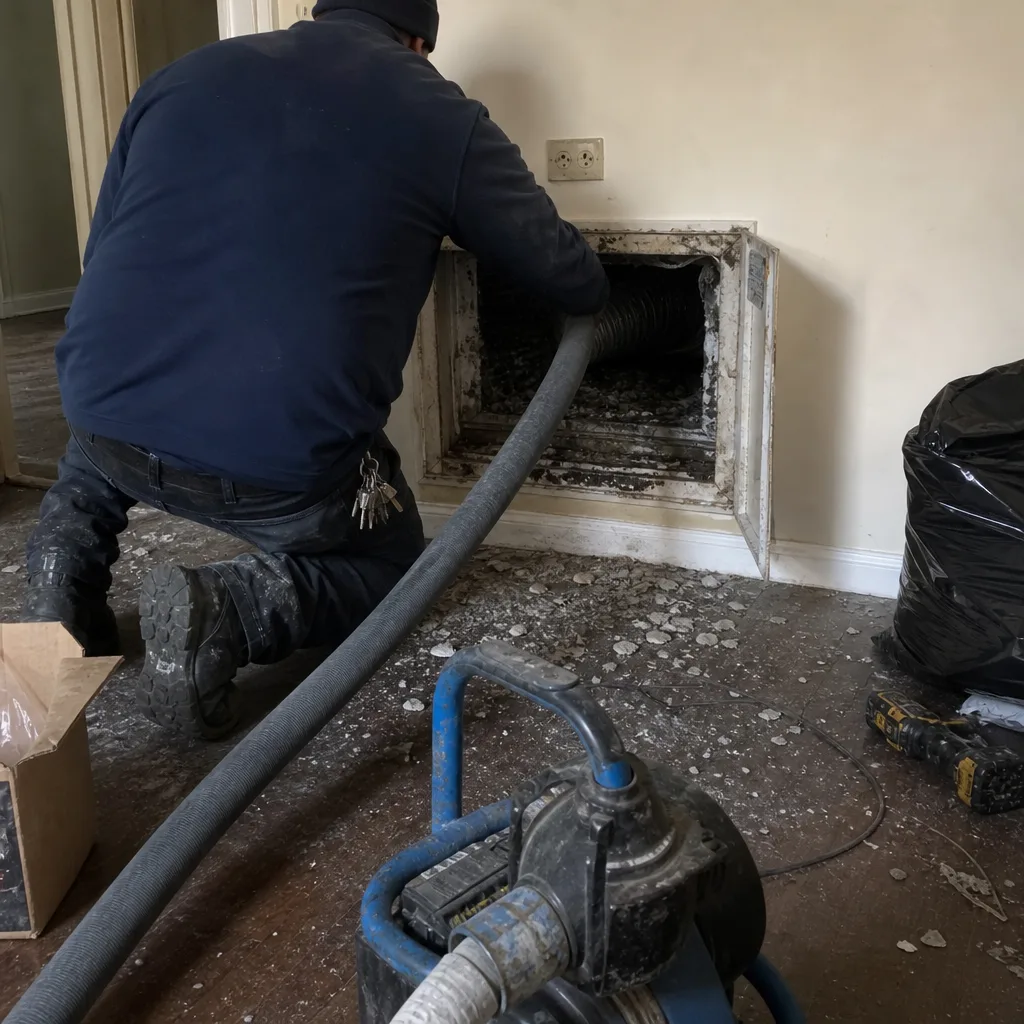 Before
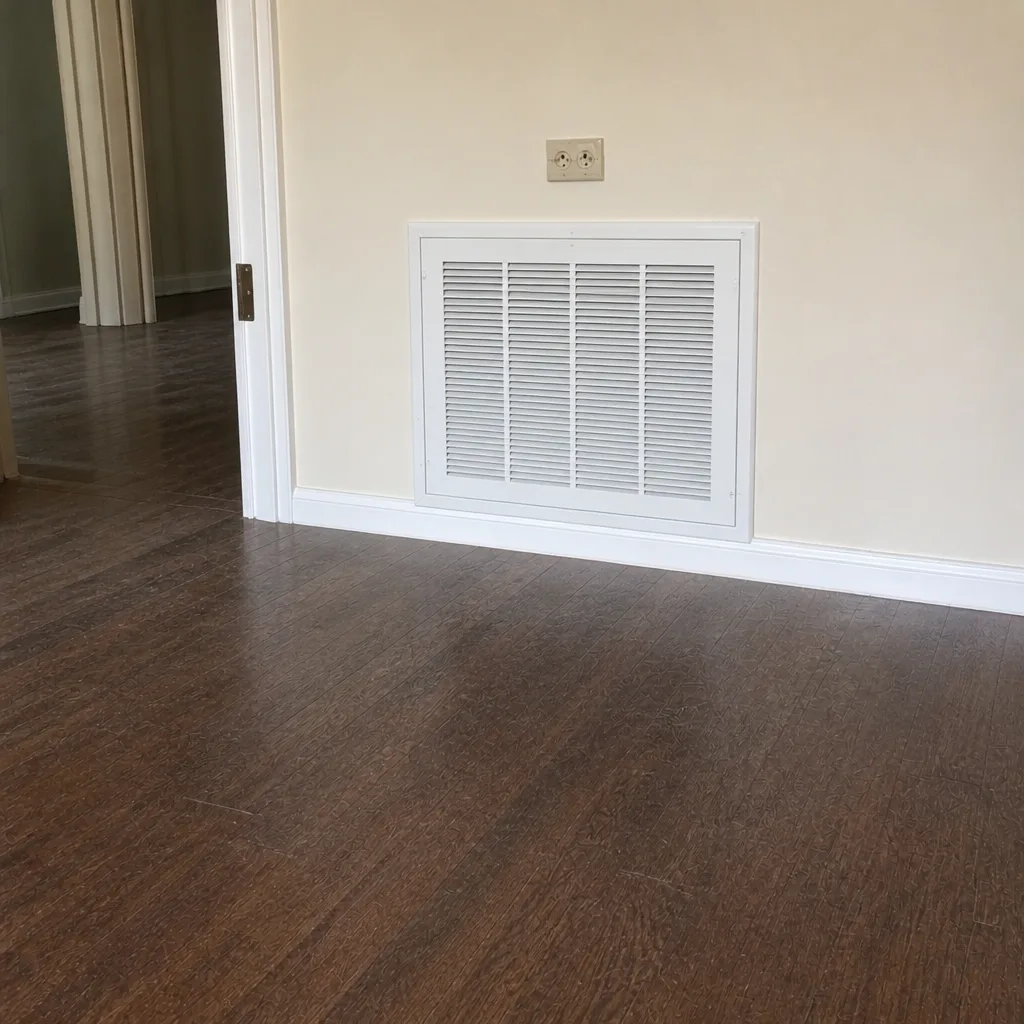 After
When to Call a Professional
Call a professional when the signs line up and you’re not sure which one is causing the problem. That’s the moment a duct inspection earns its keep. The specific scenarios worth a call: three or more physical warning signs at the registers, a musty smell that returns after cleaning, a dryer that takes two cycles, a room that’s always stuffy no matter the thermostat, or a household allergy sufferer whose symptoms have suddenly gotten worse indoors. A professional inspection confirms what’s actually going on and scopes the fix to match. Relying on a consumer vacuum and a guess tends to cost more in the end. Air Duct Cleaning Tacony offers free estimates in Tacony. Call (855) 337-1285 to schedule yours.
Frequently Asked Questions
The five most reliable signs are a dust film that returns fast on the grilles, dark staining around vent openings, visible debris on the grille face, a filter that clogs ahead of schedule, and uneven room temperatures. If three or more show up in the same home, it’s worth having the system inspected. Call (855) 337-1285 for an exact quote. Estimates are free.
We price per system, not per vent. The written estimate sets the final price, and the estimate itself is free. We don’t quote a teaser figure or a per-vent rate, because the real scope depends on the system, the duct layout in your home, and whether repair or sealing is needed. Call (855) 337-1285 for an exact quote. Estimates are free.
The low quote often reflects the equipment. A shop-vac setup can pull out loose dust, but it doesn’t scrub duct walls or contain debris with remediation-grade filtration. A proper job uses a rotary brush, a HEPA vacuum, and containment equipment like the Abatement Technologies units we run on every job. Ask what equipment a bidder plans to use. If they can’t tell you, the price difference starts to make sense. Call (855) 337-1285 for an exact quote. Estimates are free.
You should be able to see the difference. Ask for before-and-after photos of your own ducts, and walk the house with the technician to review the registers and the air handler. A cleaning that’s done right leaves visible evidence. A cleaning that’s rushed or equipment-light doesn’t. Call (855) 337-1285 for an exact quote. Estimates are free.
There’s no universal schedule. If your Tacony home has pets, recent renovation dust, or household allergy sufferers, more frequent cleaning makes sense. If the warning signs don’t reappear and the registers stay clean, you can wait longer. Watch your own home’s signs rather than a fixed calendar. Call (855) 337-1285 for an exact quote. Estimates are free.
Cleaning can remove surface contamination, but it won’t fix the moisture source that’s feeding mold growth. That’s why we inspect before cleaning. If moisture or visible mold is present, the fix has to address the source first, then mechanical cleaning, then a Guardsman sanitizing treatment. Call (855) 337-1285 for an exact quote. Estimates are free.
The Bottom Line
Air duct cleaning warning signs show up early if you know where to look: dust that returns fast at the registers, dark staining around vents, a musty smell on startup, rooms that won’t hold temperature, and a dryer that takes two cycles. In a Tacony home, those signs tend to appear sooner because rowhouse duct systems have less buffering volume. The key is to inspect before cleaning, so you know whether the problem is buildup or something deeper like moisture, a leak, or a failing duct section. Watch your home. When the signs line up, get a professional inspection, and get the work done with the right equipment.
If you’re seeing the warning signs in your Tacony home, we’re ready to help. Call (855) 337-1285 for a free estimate. We answer 24/7. Fast dispatch from 7am to 7pm, Sunday through Friday.
Written by the team at Air Duct Cleaning Tacony.