
Last updated November 25, 2026
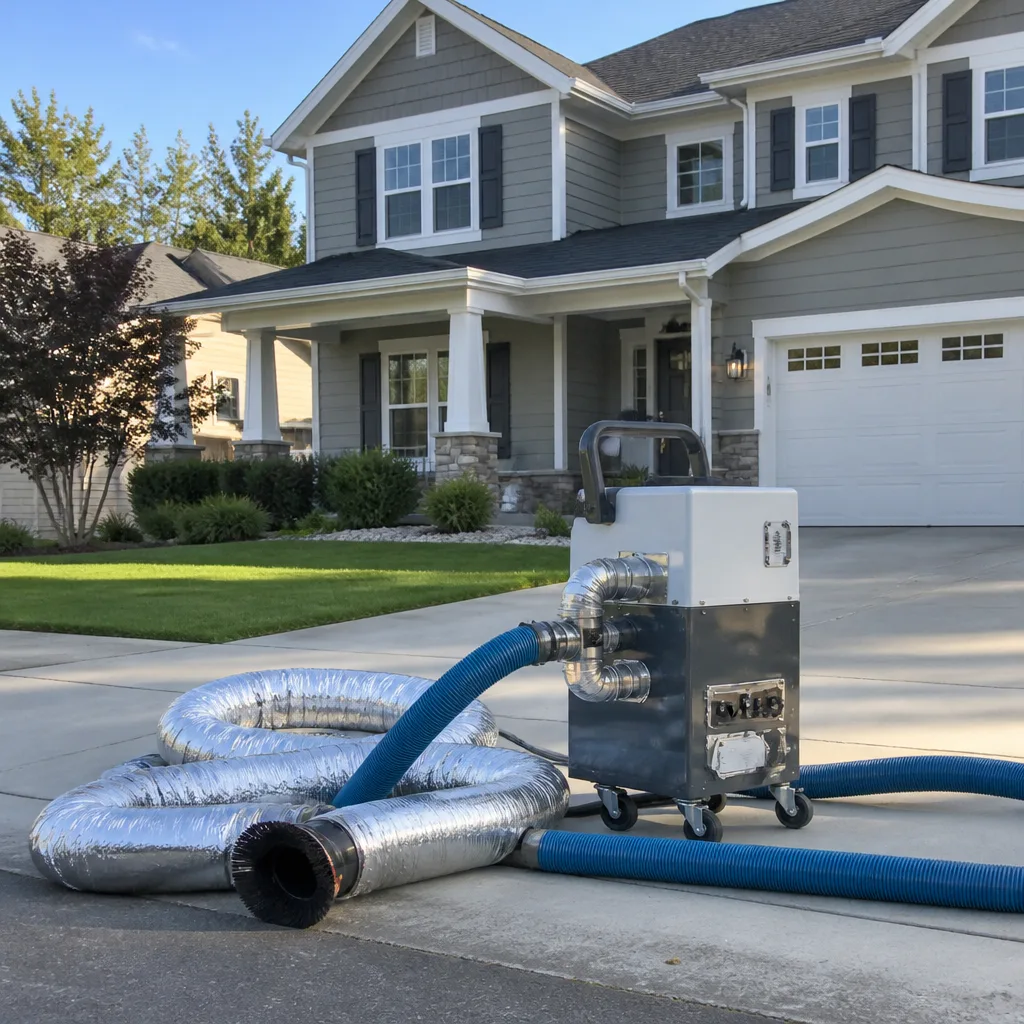 Whole-home duct cleaning
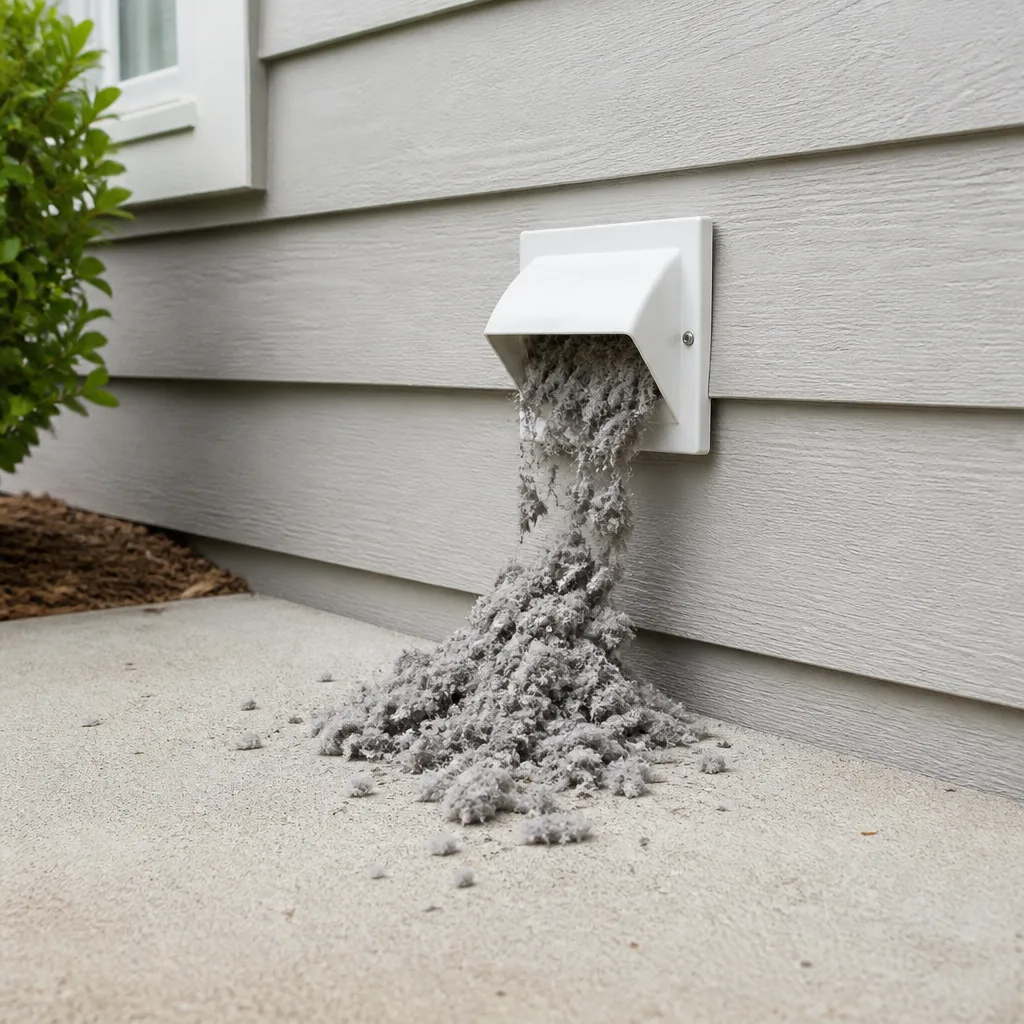 Dryer vent cleaning
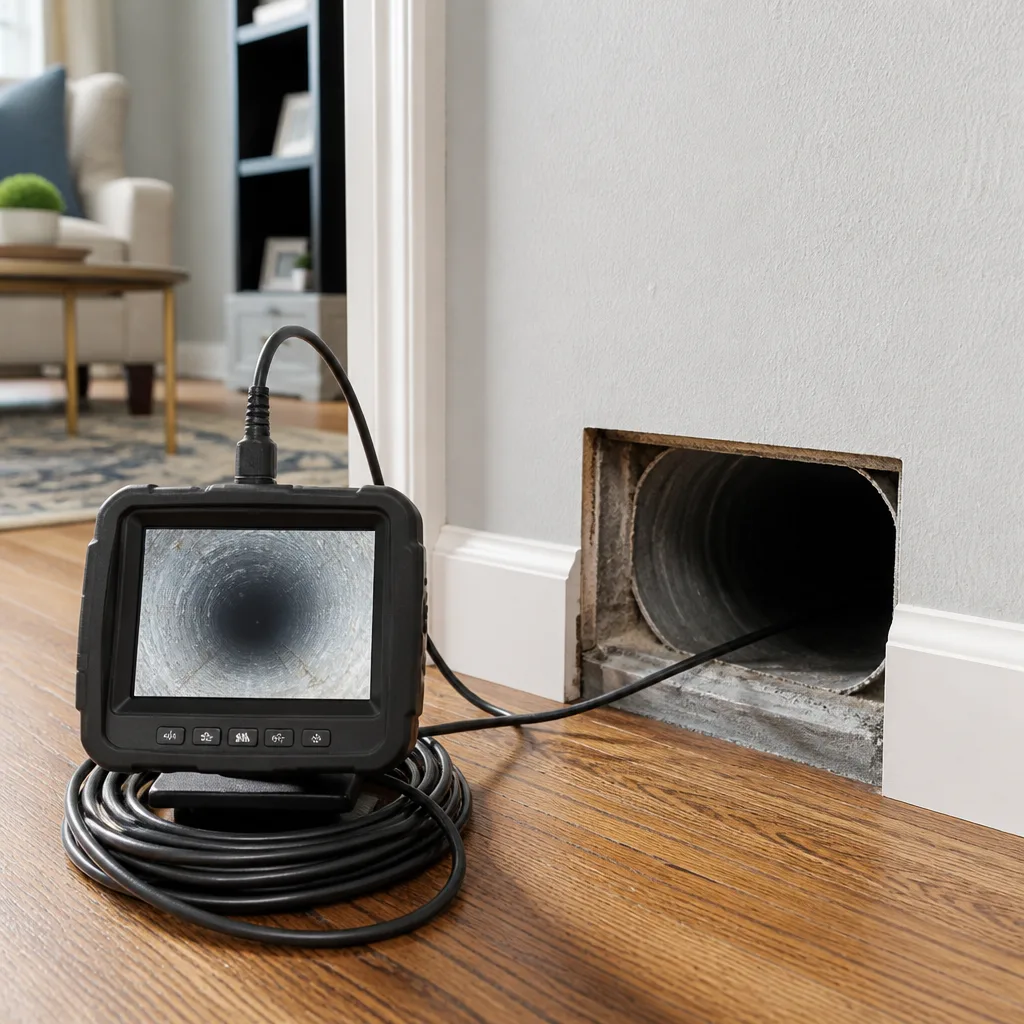 Camera inspection
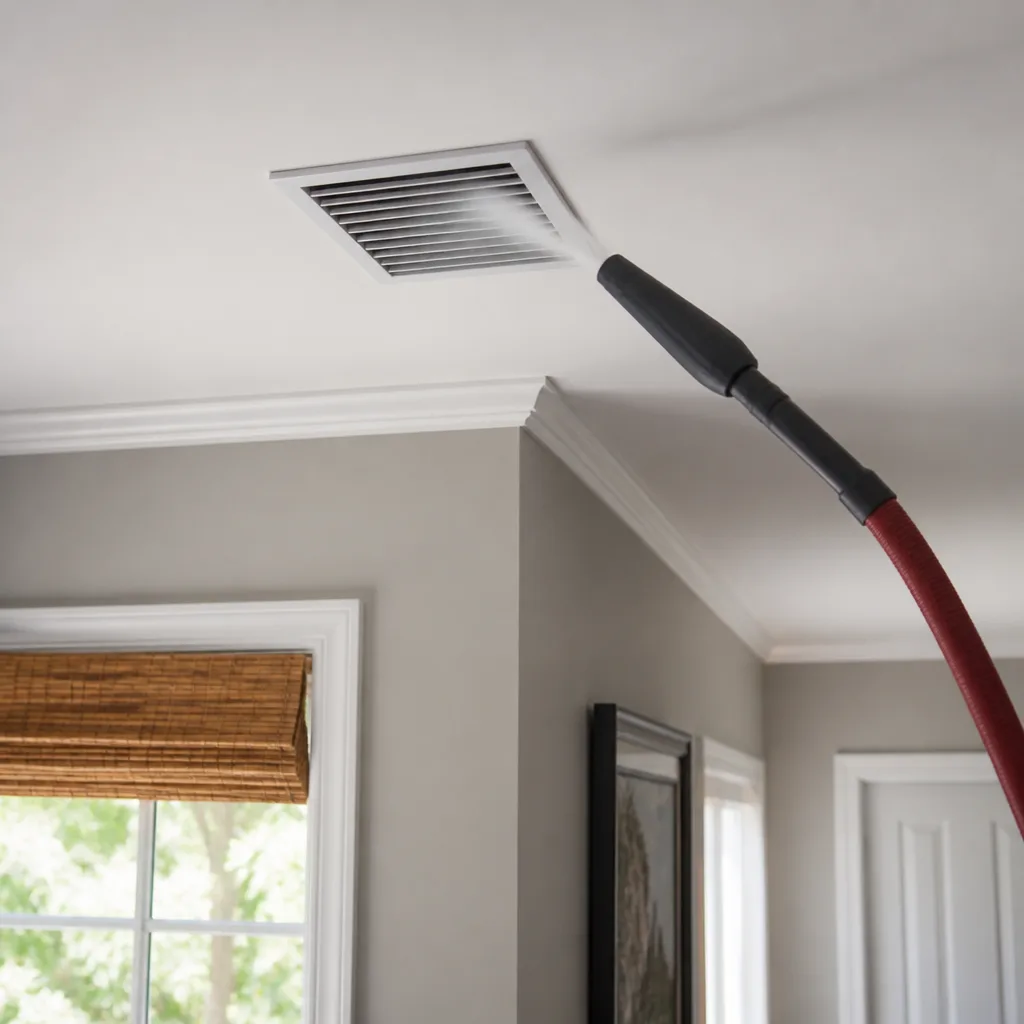 Sanitizing & deodorizing
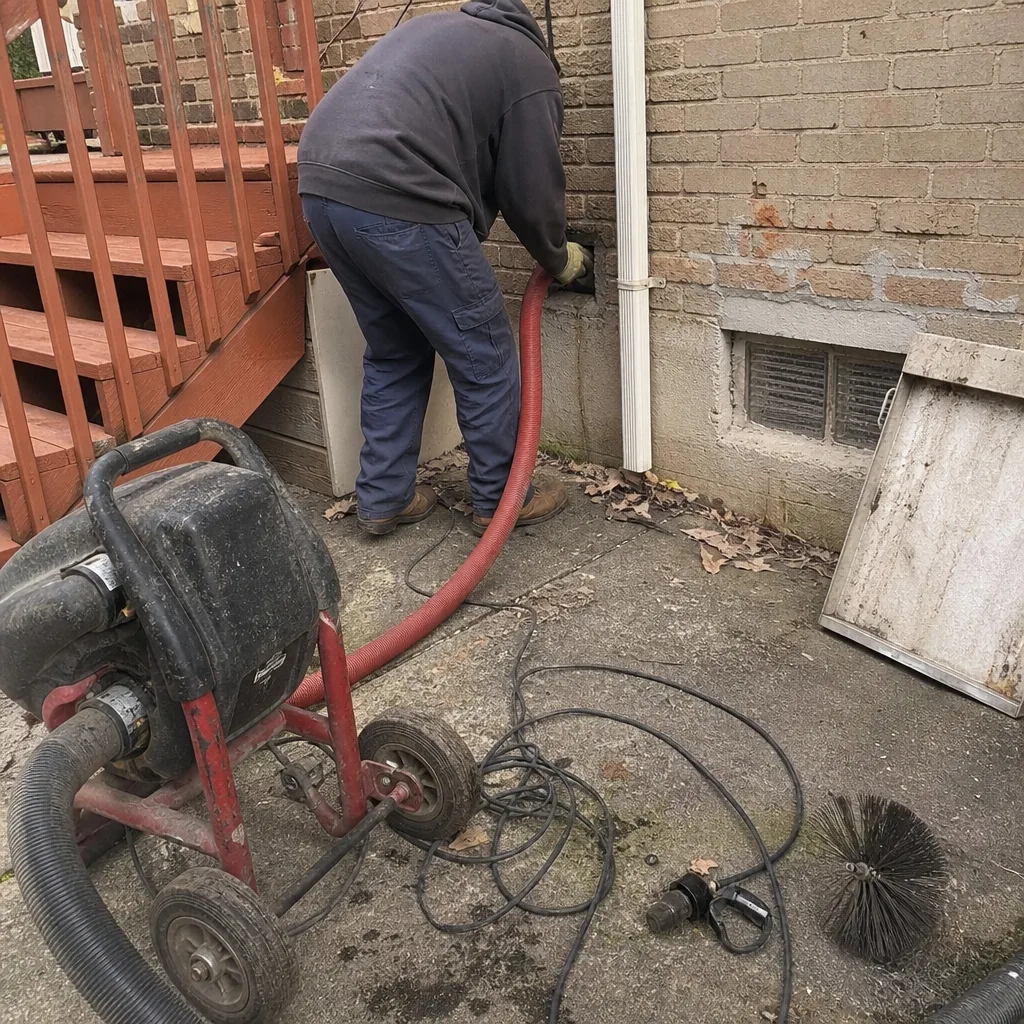
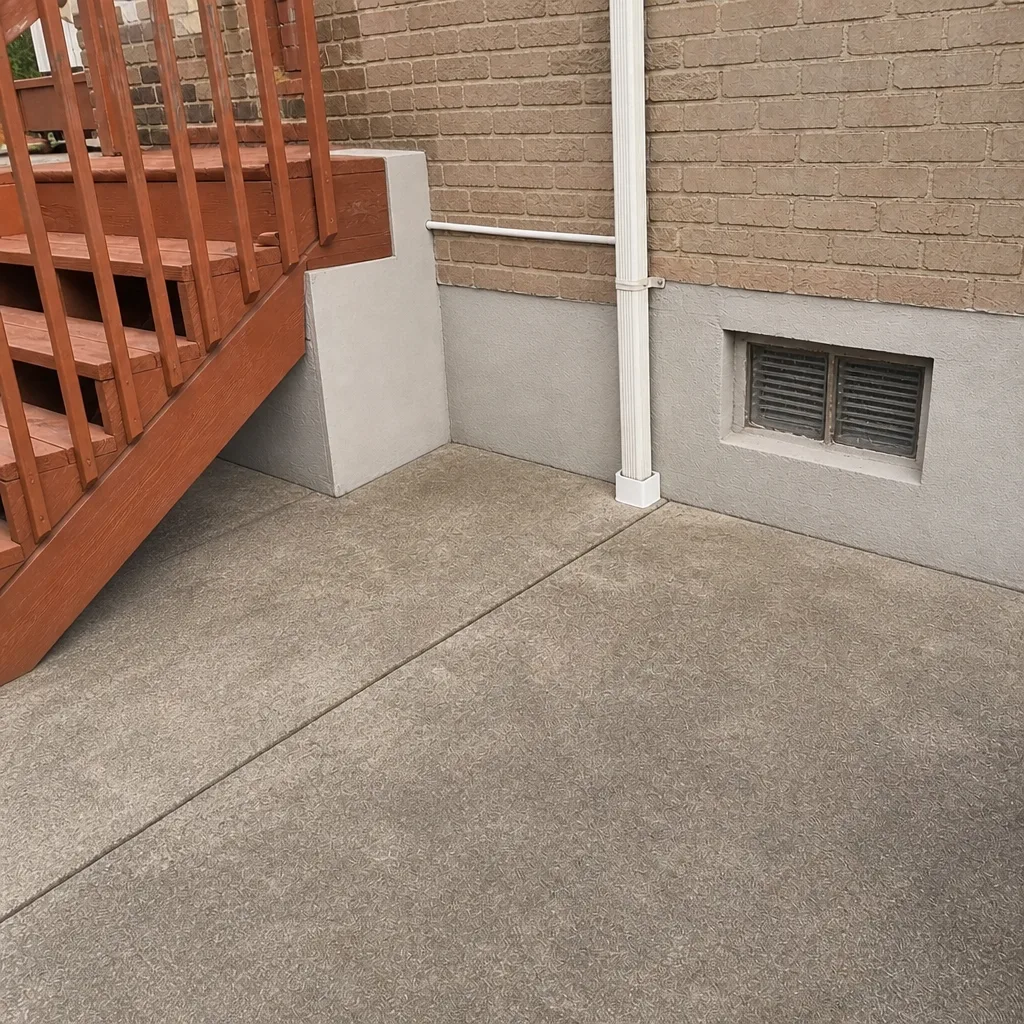
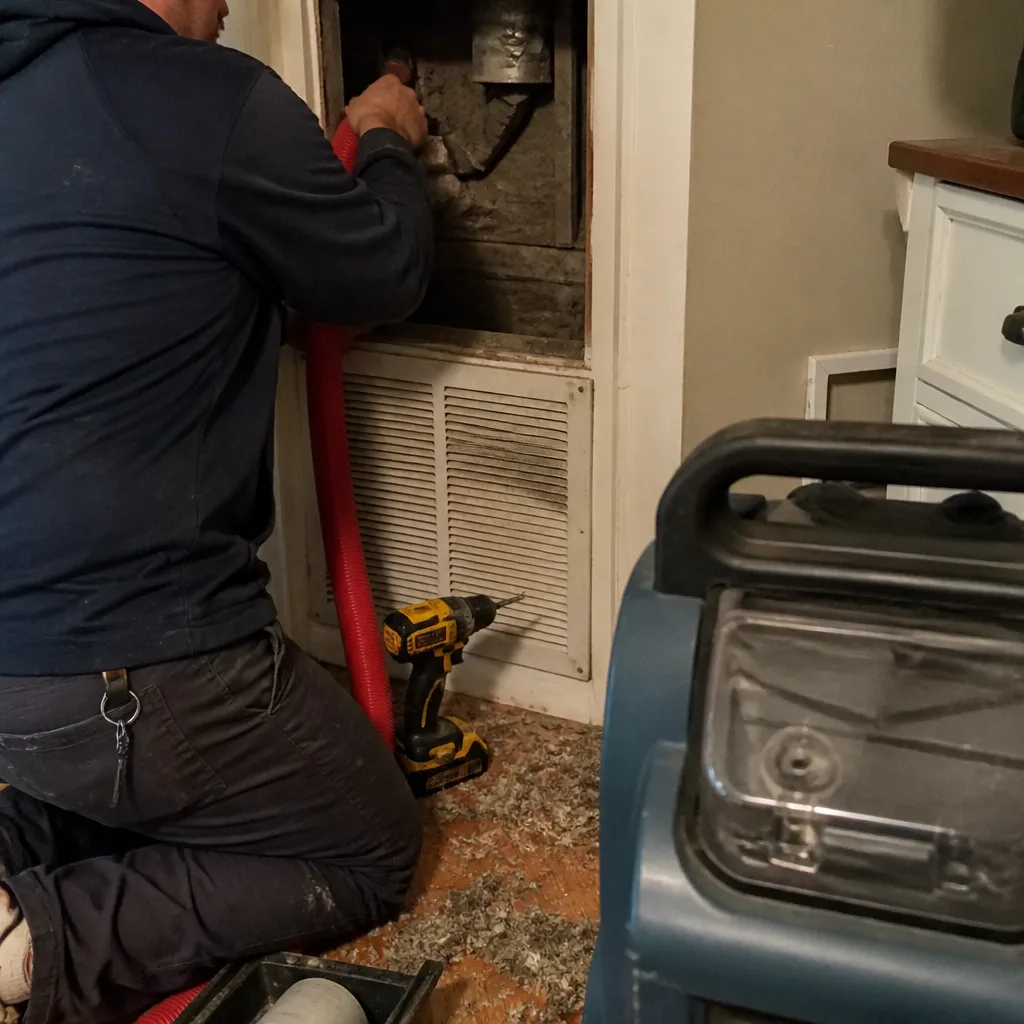
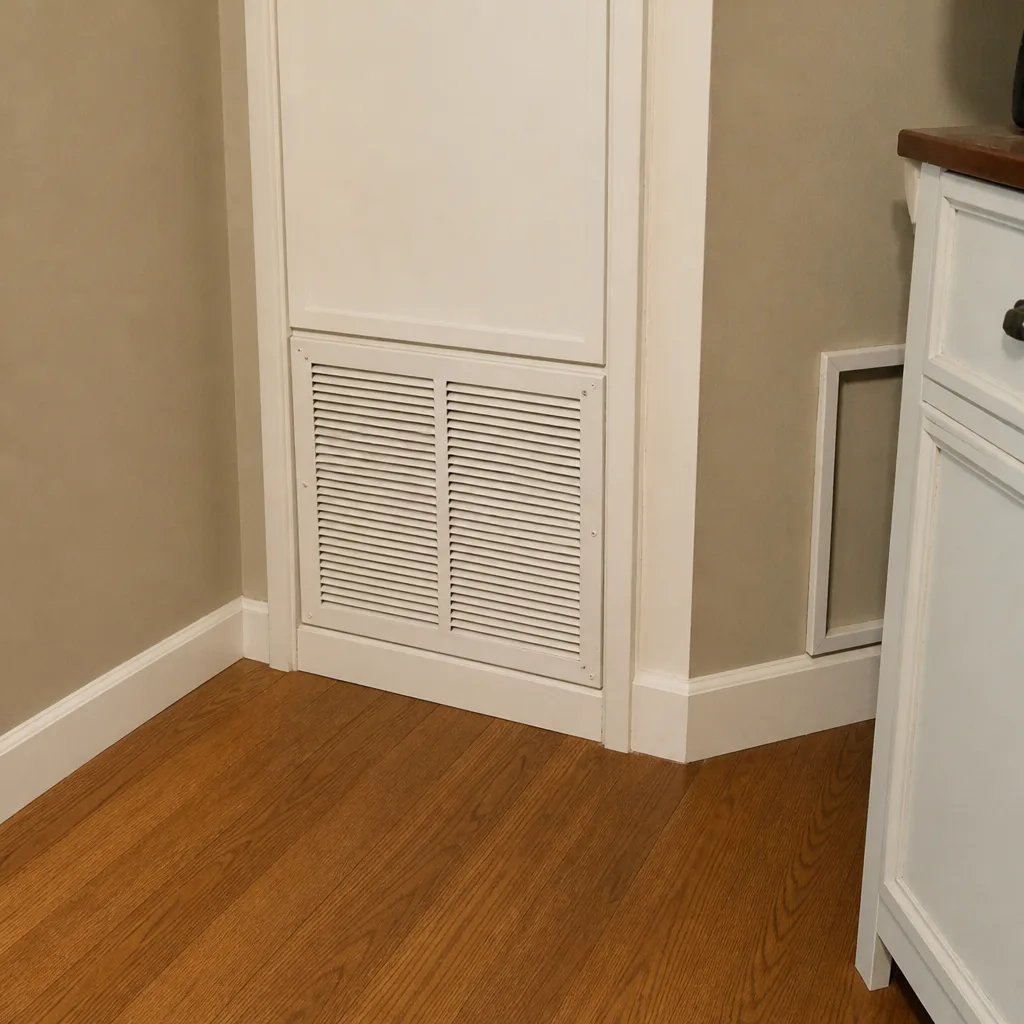
Whole-system duct and dryer vent check with before-and-after photos - you see exactly what came out of your vents
That "$99 whole-house special" is a bait ad - the real number appears once they are in your hallway, or the "clean" is a shop-vac at the register. We photograph the inside of your ducts before and after instead.
DIY vs Professional Air Duct Cleaning: The Tacony Homeowner’s Decision Guide
Blowing compressed air into a supply register with nothing capturing the dust on the other end doesn’t clean your ducts. It lifts what settled on the metal and sends it into the room you’re breathing in. That one fact explains most of the gap between what a homeowner can do with a shop vac and what a full-system clean actually requires. In this guide we’ll draw the line clearly: the register work you can legitimately handle in your Tacony home, the physics of why negative pressure matters for the rest of the system, the scenarios where a DIY attempt makes contamination worse, and the honest cost math once equipment, time, and incomplete results are all counted. You’ll leave knowing exactly where your capability ends and why.
Quick Answer
A homeowner can meaningfully clean the supply and return registers and the first foot or two of duct behind them, and can visually check for mold and inspect a dryer vent. Everything past that first stretch – the trunk lines, the branch runs, the plenum above the air handler – requires negative-pressure equipment to dislodge debris and capture it in a HEPA-filtered containment rather than redistributing it into your living space. Professional cleaning wins on the parts of the system you can’t see or reach, and on the containment that keeps the job from making your indoor air worse.
Styles & brands we work with
- Whole-home duct cleaning
- Dryer vent cleaning
- Camera inspection
- Sanitizing & deodorizing
Table of Contents
- The Physics: Why Negative Pressure Is the Whole Ballgame
- What a Homeowner Can Legitimately Do
- When DIY Makes the Problem Worse
- The Real Cost Comparison: DIY vs Professional in Tacony
- When DIY Isn’t an Option, Period
- Signs You Actually Need Whole-System Cleaning
- What a Professional Whole-System Clean Involves
- How to Decide for Your Own House
The Physics: Why Negative Pressure Is the Whole Ballgame
Air duct contamination settles. Dust, lint, pet hair, construction debris, and the fine particulate that comes off carpet and furniture all move through the supply air and drop out of the airstream where velocity falls off: on duct walls, at transitions, at the base of the drop runs, and in the return plenum. Once it’s settled there, it isn’t going anywhere on its own. It’s sitting on a metal or flex surface, held loosely enough that any disturbance lifts it back into the air.
Here’s the mechanical reason containment matters. If you insert a brush or a vacuum hose from a register and start agitating that settled debris, you’re adding energy to particles that were resting. Those particles have to go somewhere. Without a strong vacuum pulling from a connected point, and without a sealed system holding the pressure negative, the dust you loosen leaves through the nearest gap: back out the register into the room, up through seams and joints, out from around the supply boot. You’ve done the work of dislodging it without doing the work of capturing it.
Professional negative-pressure cleaning works the opposite way. A high-volume vacuum – we use Nikro HEPA-rated equipment – connects to the duct system and pulls the whole plenum and branch network into negative pressure. While that negative pressure holds, the technician agitates the duct walls with a rotary brush system. Debris comes off the wall and goes toward the vacuum, not into the room. During the job, Abatement Technologies air filtration units capture fine particulate that escapes the duct work at the register openings, which is the same grade of containment used in mold and restoration work.
That’s the whole principle, and it’s why a shop vac can’t substitute. A consumer vacuum doesn’t move enough air volume to hold a whole duct system negative, doesn’t have a sealed connection to every branch, and doesn’t contain the fine fraction that goes straight through a standard filter.
What a Homeowner Can Legitimately Do
We aren’t in the business of telling you that everything in your duct system is a mystery only a professional can touch. That’s not true, and it’s not how we work. There’s real, legitimate homeowner-level maintenance that makes a difference. Here’s what we consider fair game:
- Register and grille cleaning. Remove the supply and return grilles and wash them in the sink. Vacuum the visible dust and lint off the register frame with a HEPA or shop vac. This alone cuts down a meaningful amount of the surface dust that blows back into a room.
- The first foot or two of duct behind the register. A flexible brush on a shop vac hose can reach the visible stretch behind a supply boot. You can pull out loose surface debris that has collected right at the opening.
- Visual mold checks. Flashlight the inside of the register boot and any visible duct near the air handler. If you see dark spotting, fuzzy growth, or persistent moisture, stop there – that’s a professional call, which we get into below.
- Dryer vent inspection. Pull the vent line off the back of the dryer, look inside the wall-side duct with a flashlight, and check the exterior termination flap. You can vacuum out the immediate run near the dryer.
- Filter changes. The single most effective thing a homeowner does for duct-system health, and the easiest to skip. Change it per the filter rating, not the calendar.
- Return air path checks. Make sure return grilles aren’t blocked by furniture, rugs, or stored boxes. Restricted return pulls dust through seams.
That list is genuinely useful. Do all of it. None of it requires professional equipment, and all of it improves the first layer of contamination your system sees. What it doesn’t do is reach the trunk line, the branch runs past the first few feet, or the plenum above your air handler.
When DIY Makes the Problem Worse
There’s a specific set of conditions where a homeowner’s best efforts actively backfire. The pattern is the same each time: the system has accumulated settled contamination, the homeowner disturbs it without containment, and particles redistribute. That redistribution is often invisible in the moment, because the evidence is fine dust settling on surfaces over the following days and weeks.
Here’s when DIY attempts do more harm than good:
- You use compressed air on a register without negative pressure anywhere in the system. This is the opening hook of this guide and it deserves to be a rule. Compressed air lifts settled debris and pushes it into the room. It doesn’t clean anything.
- There’s visible mold or mildew in the register boot or duct. Agitating mold without containment releases spores into the supply air. Mechanical cleaning by a vacuum isn’t enough for mold; it needs containment, remediation-grade filtration, and afterward sanitizing – which is why professional air quality sanitizing is a distinct step from cleaning.
- The system was recently disturbed by renovation. Drywall dust and construction particulate are finer than typical household dust and pass straight through consumer-grade filters. Pushing a brush through a duct with that contamination still loose sends it everywhere.
- There’s been a flood or moisture event. Wet duct insulation and any moisture in the system creates the conditions for mold growth. Vacuuming a damp duct loosens material that then can’t be captured.
- You’re pulling a shop vac hose into the return plenum. The return plenum is the most contaminated area in a residential system, and a shop vac’s filter can’t contain the fine fraction. You’ll see visible discharge from the exhaust port.
- The system has a known pressure imbalance or airflow problem. Messing with return-side airflow without understanding the balance can move contamination into the supply side.
If any of those describe your house, the honest advice is to stop and call in someone with containment equipment. That isn’t a sales pitch. It’s mechanical.
The Real Cost Comparison: DIY vs Professional in Tacony
Homeowners often compare the price of a rental vacuum against a professional estimate and conclude DIY wins. That comparison leaves out the parts that matter. Here’s how the math usually shakes out once you count what you actually spend:
- Shop vacuum rental or purchase: If you own one, you’re already counting its wear and filter replacements. If you’re renting, you’re paying for the day plus the trip.
- Brush kit or duct cleaning attachments: A basic brush-on-hose attachment runs low cost. A full rotary brush kit that reaches more than a few feet is a different price bracket entirely.
- Filter replacements: Running heavy dust through a shop vac means replacing or cleaning the filter after the job, often more than once.
- Time: A thorough attempt at even partial DIY cleaning on a multi-register home from a step stool, register to register, runs hours, and usually happens at least partly on a Sunday.
- Redoing the work: The most expensive line item in the DIY column is the one nobody budgets for. If the DIY attempt redistributes more than it captures, a professional clean afterward has to handle a system that’s now contaminated in a wider distribution.
Professional cleaning in Tacony is priced per system, by written estimate, after you describe the home and register count. It’s a single job, done in one visit, with containment from start to finish. The comparison isn’t really “cheap vs expensive.” It’s “cheap, incomplete, and possible rework” against “one price, whole system, verified.”
A good professional clean includes a walk-through before and after with before-and-after photos of your own duct work, which is the answer to the “how do I know it was actually done” question. Ask for those photos. Our technicians have up to 11 years of experience and can walk you through what the camera shows.
When DIY Isn’t an Option, Period
Some situations don’t care how handy you are. If any of the following is true in your Tacony home, whole-system work is the only route, regardless of the toolkit:
- Recent renovation or major dust-generating work. Drywall cutting, sanding, tile work, and demolition produce particulate that gets into every branch of the system. Cleaning afterward has to include every branch, not just the registers.
- Visible mold or persistent musty odor. Mold in the duct system has to be handled with containment and then treated. Guardsman-brand sanitizing treatments we use are applied after mechanical cleaning; they don’t substitute for it.
- Post-flood or any moisture event that reached the duct system. Wet insulation in duct runs needs to be addressed by someone who can inspect and repair, not just clean.
- A dryer vent that’s clogged past the immediate run. Dryer vent cleaning is a fire-safety service, and it should be treated like one. Consumer snakes and shop vac hoses can’t reliably clear a packed run to the exterior. If the exterior flap shows lint buildup and you’re seeing long dry times, this is a call, not a project.
- Cheap bids that promise a whole-system clean with shop-vac equipment. If a bid is dramatically lower than others, ask what vacuum and filtration the crew uses. If the answer doesn’t involve HEPA-rated negative-pressure equipment, you’re being quoted a register-and-surface job.
- Landlord or small commercial property with indoor air quality concerns. Documented cleaning with containment protects you when a tenant raises a concern later.
We’ve seen all of these in Tacony homes. None of them is a case where the DIY path is worth attempting. We’re blunt in those situations: the right tool for those conditions is containment equipment, and the right answer is a professional visit.
Our full scope is five services – air duct cleaning, dryer vent cleaning, HVAC cleaning, duct repair and sealing, and air quality sanitizing – which means one visit can address a whole-system condition rather than sending you to three different vendors. If you’ve been told you need one of them, it’s worth having us look at whether the others are also relevant.
Signs You Actually Need Whole-System Cleaning
Not every home needs a whole-system clean every year. Here’s the set of signs we use to distinguish “worth a look” from “worth skipping for now”:
- Visible dust discharge from supply registers shortly after you’ve cleaned the room surfaces.
- A persistent musty or dusty odor that returns whenever the HVAC runs.
- Noticeable dust buildup on ceiling fans, registers, and light fixtures within days of dusting.
- Family members with allergy-type symptoms that seem worse indoors, especially when the system is running.
- Recent renovation, flood, or pest activity in the home.
- Long dryer cycles or lint visible at the exterior vent flap.
- A home you don’t have a cleaning history for – new purchase, new rental.
- HVAC efficiency that has dropped without a mechanical explanation.
Three or more of those together is our threshold for recommending a full-system clean. If you’re seeing one, you can wait and do the register-level work yourself. If you’re seeing six, that’s a whole-system job. This is exactly the kind of judgment call where a phone conversation is worth more than a checklist.
What a Professional Whole-System Clean Involves
For homeowners who’ve never had this done, here’s the process so nothing is a surprise. A typical whole-system clean from Air Duct Cleaning Tacony follows this sequence:
- Inspection. We look at the system layout, register count, plenum access, and any visible conditions (mold, moisture, damage, disconnected sections) before anything else.
- Containment setup. Negative pressure is established through the main trunk using Nikro HEPA-rated vacuum equipment, and Abatement Technologies air filtration units are placed at the working openings to capture any fine particulate at the register face.
- Mechanical agitation. A Rotobrush rotary brush system – the professional benchmark for dislodging compacted debris from duct walls – runs each branch line from the register back toward the trunk, working with the negative pressure to move debris toward the vacuum.
- Source removal. The return plenum and any accessible trunk sections get directly addressed with the vacuum and brushes, removing the accumulated mass at the source rather than brushing it loose.
- Sanitizing. After mechanical cleaning is complete, Guardsman-brand sanitizing treatment is applied for microbial control. The sanitizing is a step after cleaning, not a substitute for it.
- Verification. Before and after photos of your duct work. You see the inside of your own system, not a generic before-and-after from a brochure.
- Upgrade options. If the filter and air quality setup in the home is undersized or aging, we recommend Honeywell or Aprilaire products for long-term filtration, so a single cleaning translates into ongoing air quality rather than a one-time reset.
- Dryer vent service. If it’s part of the visit, the dryer vent run is cleared end-to-end and the exterior termination is checked.
Same-day service is often possible. If repairs or sealing are needed – disconnected duct sections, damaged flex, gaps at joints – we can handle those under the same visit. That’s the reason all five services run from one visit rather than as separate vendor jobs.
How to Decide for Your Own House
Here’s the decision tree we’d draw for a Tacony homeowner sitting down to think about this:
- Do you see visible mold, had a flood, or just finished a renovation? Professional only. Don’t DIY this.
- Are you seeing all the register-level dust you clean returning within a week or two? That points to source-level contamination. Whole-system clean worth pricing.
- Is the dryer cycle long or the exterior flap packed with lint? Call for dryer vent cleaning. It’s a fire-safety service for a reason.
- Is your home generally clean, dust behavior normal, no visible symptoms, and recent renovation or flood isn’t in your history? The register-level DIY work from earlier in this guide is genuinely sufficient. Change the filter, clean the grilles, verify the return is unobstructed, and check again in six months.
- Are you noticing a musty smell with the HVAC on, or allergy symptoms that seem worse indoors? Get an inspection. It’s a conversation, not a commitment.
We’re honest about this decision. If you call us and describe a home that needs register-level attention and nothing more, we’ll say so. If we see conditions in the system that a DIY attempt would make worse, we’ll tell you exactly which ones and why. Either way you’ll have the information you need, with before-and-after photos if we do the work.
Common Mistakes to Avoid
- Treating a shop vac as duct cleaning. A shop vac cleans a surface. Professional cleaning removes settled mass from the whole system under negative pressure. Those are different jobs, and only one of them cleans the branches and trunk.
- Using compressed air on a register. Blowing air into a duct without containment redistributes settled dust into the room. Nothing gets cleaned and the air gets worse.
- Choosing the lowest bid without asking about equipment. A quote that doesn’t mention HEPA-rated negative-pressure equipment is a different kind of job than a whole-system clean. Ask what vacuum and filtration the crew brings.
- Brushing mold without containment. Agitating visible mold in a register boot releases spores into supply air. Mold needs a different process: containment, remediation-grade filtration, and post-cleaning sanitizing.
- Skipping the dryer vent because it’s easy to forget. It’s the highest-risk component in the system from a fire-safety standpoint, and it’s usually the most overlooked. Long cycles and lint at the exterior flap are signals.
- Not asking for before-and-after photos. Any professional visit should end with photos of your own duct work. If a company won’t produce them, that tells you something.
- Relying on a filter change to solve a whole-system contamination problem. Filters matter, and changing yours is worth doing. A filter doesn’t clean a system that’s already loaded.
See the difference
 Before
 After
 Before
 After
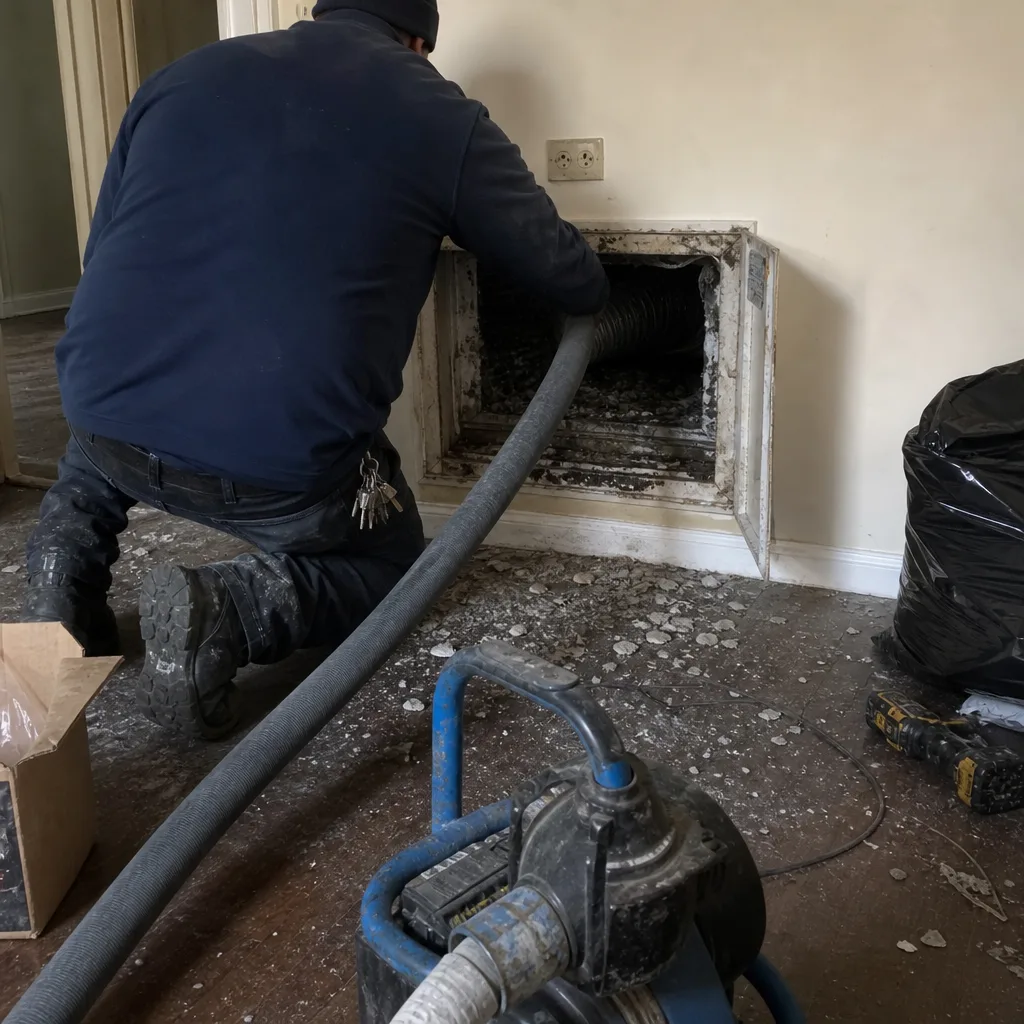 Before
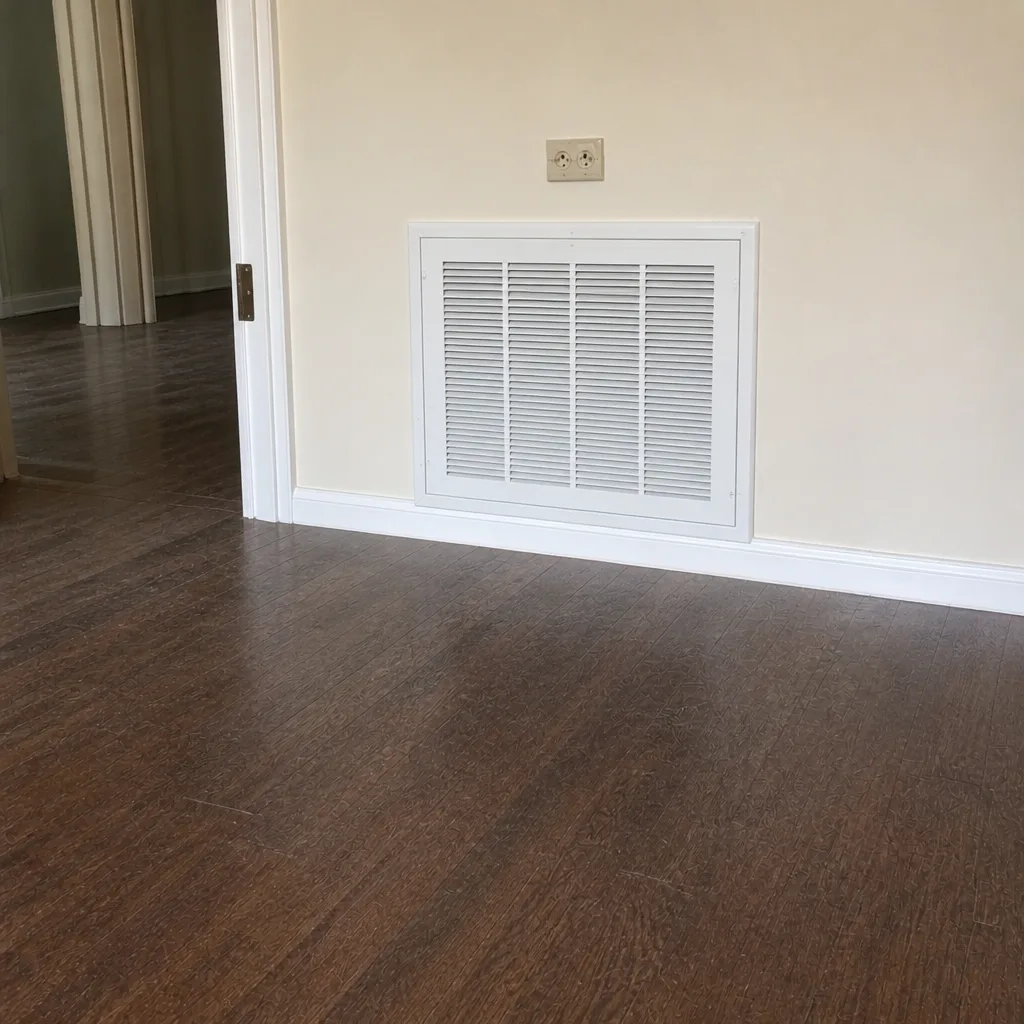 After
When to Call a Professional
Call a professional when any of the following is true: you’ve finished a renovation or had a flood, you see visible mold or persistent musty odor, your dryer is cycle-long or shows lint at the exterior flap, register-level dust returns within days, or allergy symptoms seem worse indoors with the HVAC running. Each of those conditions is a sign that the contamination isn’t at the register surface but in the ducts and plenum where a shop vac and a brush kit can’t reach. Air Duct Cleaning Tacony offers free estimates in Tacony – call (855) 337-1285. We answer 24/7. Fast dispatch from 7am to 7pm, Sunday through Friday. You’ll get a written estimate for the whole job before anything begins, so the price is set before work starts.
Frequently Asked Questions
You can meaningfully clean the registers and the first foot or two of duct behind them with a shop vac and brush kit, and that’s worth doing. That’s where the reach of a shop vac ends. The trunk lines, branch runs, and return plenum require negative-pressure equipment with HEPA filtration to dislodge and contain debris rather than redistribute it. Call (855) 337-1285 for an exact quote on whole-system cleaning – estimates are free.
Yes, in specific conditions: a home with no visible mold, no recent renovation or flood, no musty odor, and normal dust behavior is fine with register-level DIY maintenance and filter changes. If you’re seeing any of the signs we list in the Signs You Actually Need Whole-System Cleaning section, DIY isn’t good enough anymore. Call (855) 337-1285 for an exact quote – estimates are free.
The cheap bid is typically a register-and-surface job with a shop vac and no containment – not the same work as whole-system cleaning. A professional clean uses high-volume HEPA-rated vacuum equipment to hold the system under negative pressure, containment filtration at the register openings, and mechanical agitation that reaches the full branch network. Before you book a low bid, ask what vacuum and filtration the crew brings. Call (855) 337-1285 and we’ll explain exactly what our equipment does that a shop vac doesn’t.
Most single-family homes with a typical number of registers run a scheduled appointment in a single visit, and the length depends on the system size and the condition we find during inspection. We’ll give you a realistic picture during the estimate. A shop-vac DIY attempt across the same register count often runs longer in total time once trips, filters, and rework are counted. Call (855) 337-1285 for an exact quote – estimates are free.
No. Agitating mold without containment releases spores into the supply air, which is a health problem rather than a cleaning solution. Mold in a duct system needs a process that includes containment, remediation-grade air filtration during the work, mechanical cleaning, and post-cleaning sanitizing treatment. That’s not a job for a brush and a step stool. Call (855) 337-1285 and we’ll talk through what your system needs – estimates are free.
Often yes. A packed dryer vent run causes long dry times and is the primary fire-risk signal in a residential system. Register-level DIY cleaning doesn’t reach the packed run to the exterior. Dryer vent cleaning is a fire-safety service and we treat it as one: the whole run is cleared end to end and the exterior termination flap is checked. Call (855) 337-1285 for a free estimate.
The Bottom Line
The line between DIY and professional air duct cleaning is real, and it’s not arbitrary. It’s the line between the register surface and the whole system under negative pressure. A homeowner can do useful work at the register level, and should: clean the grilles, change the filter, keep returns clear, and check the dryer vent. Past that first stretch of duct, the mechanical reality is that you need HEPA-rated vacuum equipment and containment filtration to dislodge settled contamination without redistributing it. If your home’s conditions – recent renovation, flood, visible mold, packed vent, musty odor – put you on the professional side of that line, the work has to be done with the right tools. Air Duct Cleaning Tacony uses Rotobrush, Nikro, and Abatement Technologies equipment across the five services we run from one visit. We’d rather answer a question honestly on the phone than sell you work your house doesn’t need. Call (855) 337-1285 for a free estimate. We answer 24/7. Fast dispatch from 7am to 7pm, Sunday through Friday.
Written by the team at Air Duct Cleaning Tacony.