
Last updated November 25, 2026
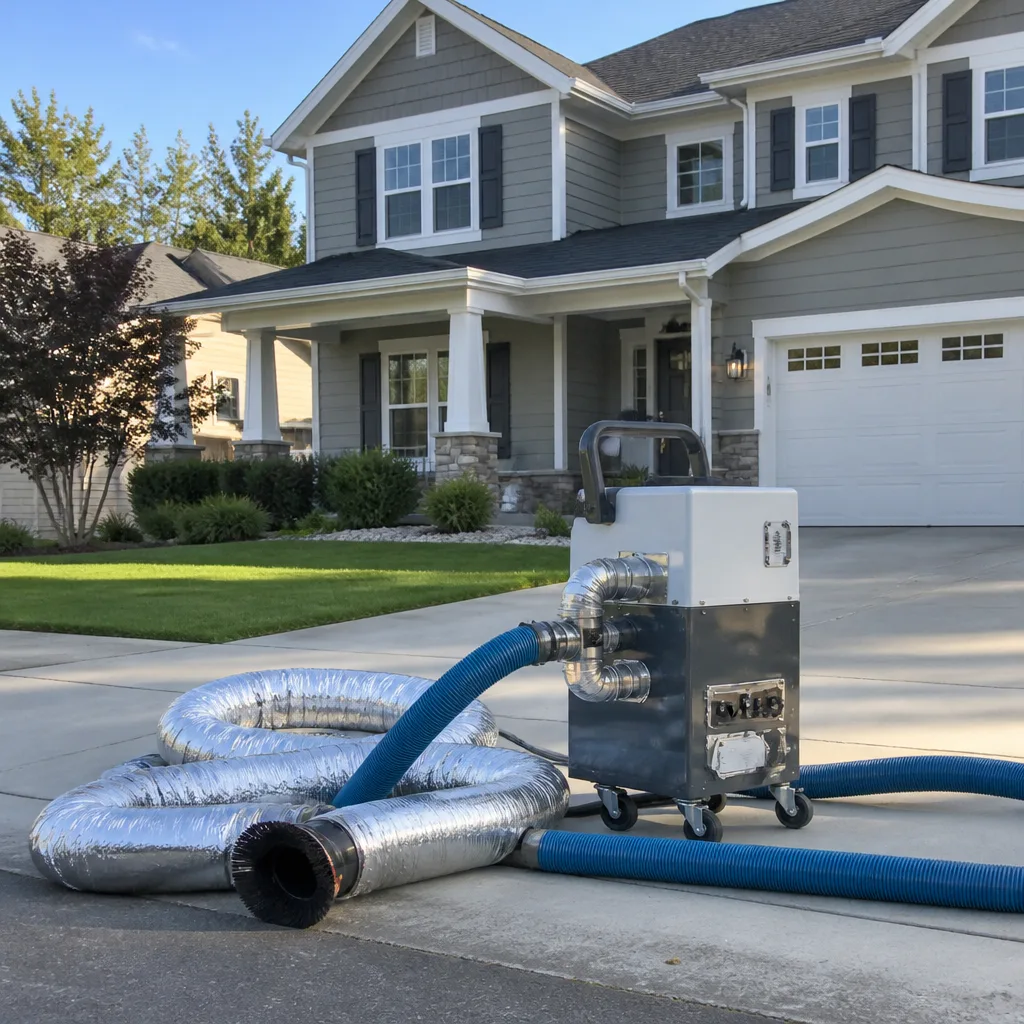 Whole-home duct cleaning
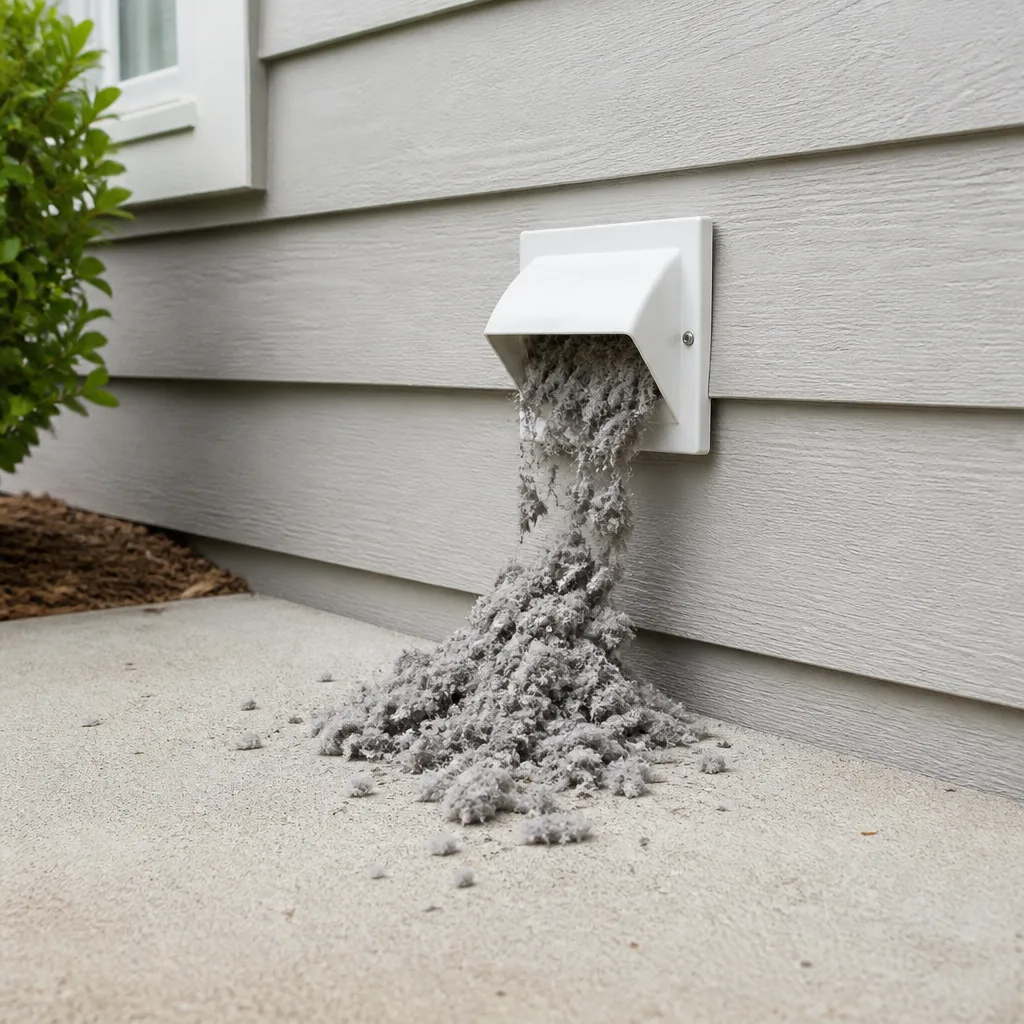 Dryer vent cleaning
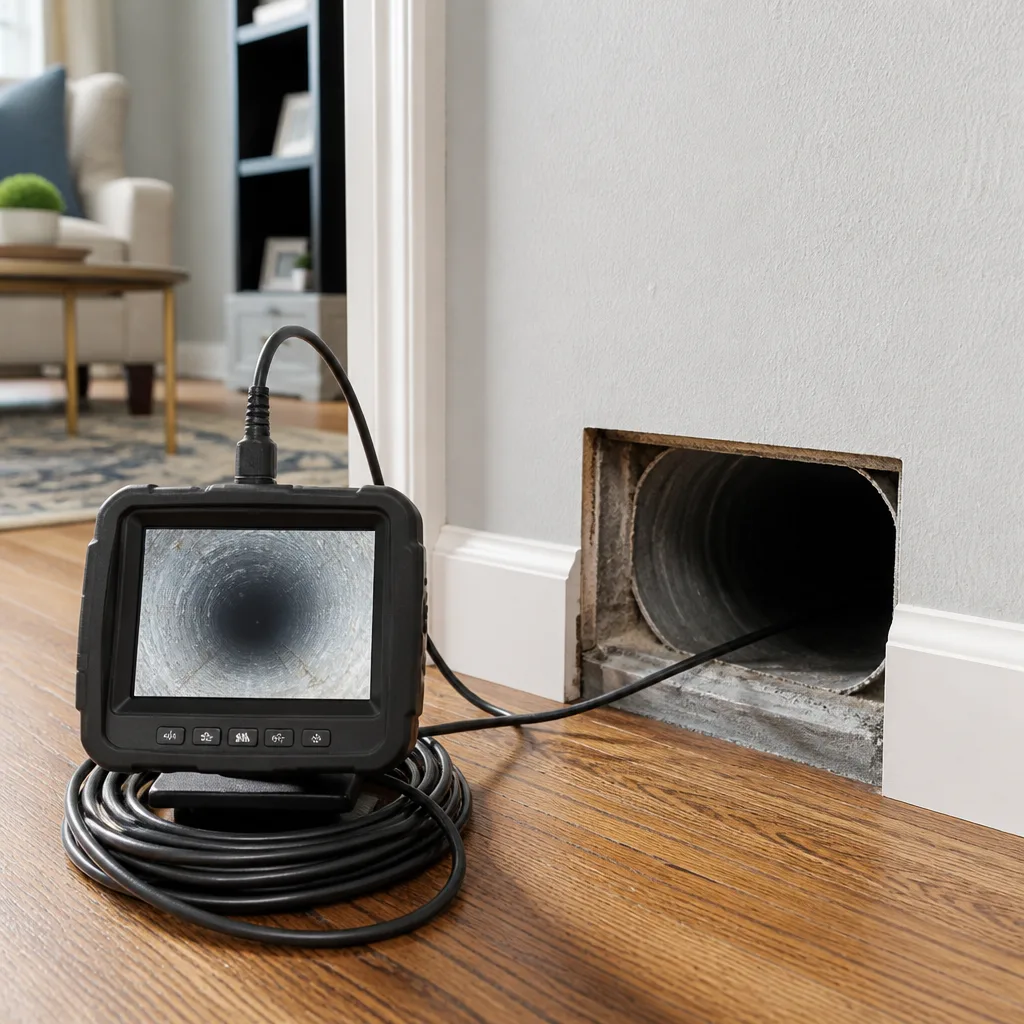 Camera inspection
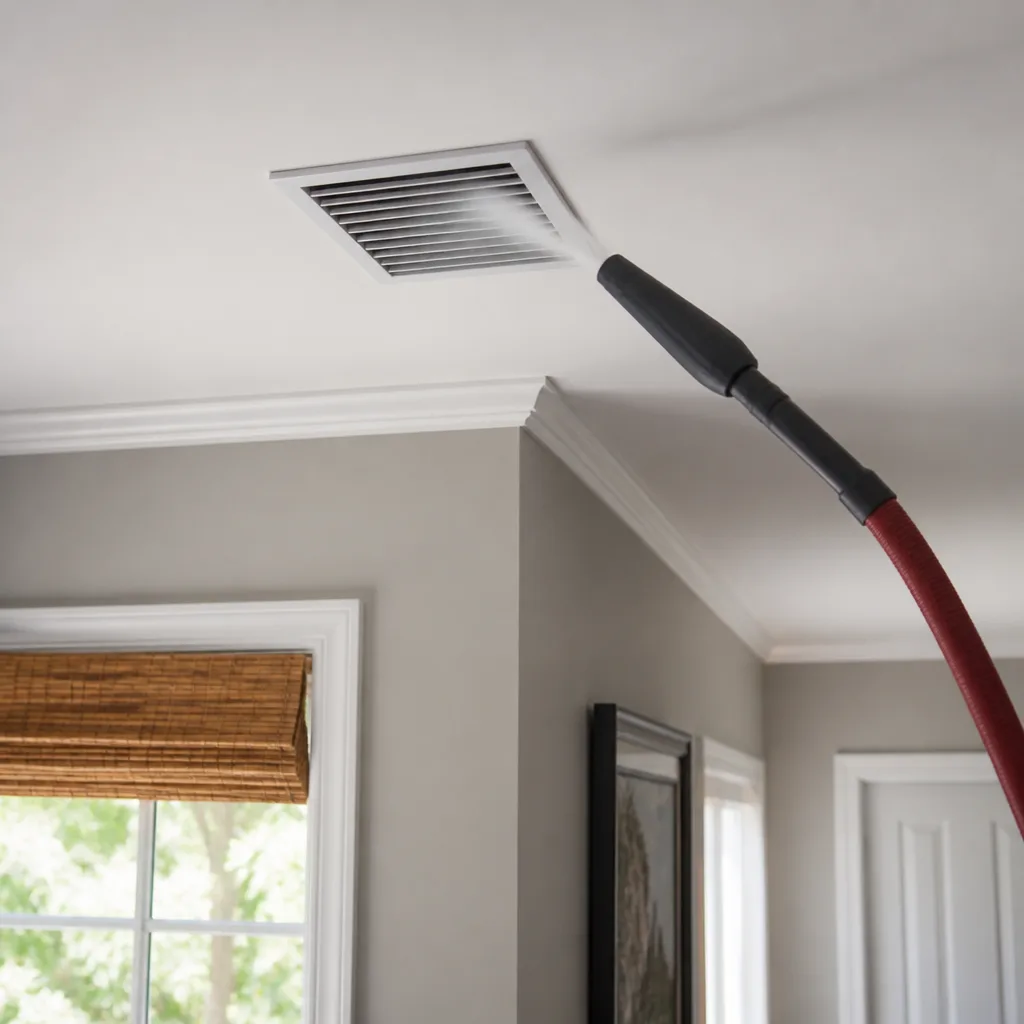 Sanitizing & deodorizing
Whole-system duct and dryer vent check with before-and-after photos - you see exactly what came out of your vents
That "$99 whole-house special" is a bait ad - the real number appears once they are in your hallway, or the "clean" is a shop-vac at the register. We photograph the inside of your ducts before and after instead.
Air Duct Cleaning Maintenance Checklist for Tacony Homeowners
If your last air filter change left a gray dust outline around the register frame, your ducts are already redistributing what that filter missed. That outline is the visible edge of a system problem: the filter caught what it could, and everything past it kept moving through the house. Most Tacony homeowners treat duct cleaning as a one-time event, something you do once and forget. A maintenance rhythm works better, and it doesn’t require a technician visit every few months. What it requires is knowing which tasks you can do yourself, when the seasons change the rules, and which signals mean it’s time to call. This guide gives you a dated, actionable checklist you can actually follow.
Quick Answer
The core maintenance rhythm for Tacony ductwork is: check and replace filters every 1-3 months, inspect registers monthly for dust outlines and airflow changes, deep-clean professional service every 3-5 years depending on use and household conditions, and address dryer vents annually. Homes near older housing stock, homes with pets, and homes with higher indoor humidity should tighten that schedule. The checklist below breaks each task down by frequency and trigger.
Styles & brands we work with
- Whole-home duct cleaning
- Dryer vent cleaning
- Camera inspection
- Sanitizing & deodorizing
Table of Contents
- Monthly tasks: what to check in fifteen minutes
- Seasonal tasks tied to Tacony’s climate shifts
- Annual tasks and the professional inspection trigger
- How Tacony humidity and older housing stock affect duct debris
- Visual inspection points you can check without tools
- How to log your cleaning history and spot when service is overdue
- Common mistakes to avoid
- When to call a professional
Monthly Tasks: What to Check in Fifteen Minutes
The monthly checklist is short on purpose. These are things you can do in the time it takes to make coffee, and they’re the earliest signals that something in your system has shifted.
- Pull the filter and hold it to a light. If you can’t see light through it, it’s done. Don’t wait for the calendar. Filter life varies by household: pets, cooking volume, and open-window days all shorten it. In Tacony, homes near busy corridors accumulate filter dust faster than quiet side streets.
- Look at each register frame. That gray outline we mentioned at the top is the tell. A light even film is normal between cleanings. A dark, defined ring means debris is blowing past the filter and settling at the register face.
- Hold your hand over each supply register. You’re checking for consistent airflow, not measuring CFM. Every register in the house should feel roughly the same. One weak register usually means a disconnected or crushed duct run, not a dirty filter.
- Smell the return air. A musty or stale smell at the return grille, especially when the system first kicks on, is worth writing down. Odor that persists after a filter change points toward microbial growth somewhere in the system.
- Check the dryer vent exterior flap. It should open freely when the dryer runs and close when it stops. A flap that stays open, or lint visible at the outside hood, means the vent run is loading up.
None of these tasks require tools, and together they catch the majority of problems before they get expensive. When something shows up on the monthly check, note the date. That log becomes useful later.
Seasonal Tasks Tied to Tacony’s Climate Shifts
Tacony sits in a climate with real seasonal swings: humid summers, cold winters, and shoulder seasons where the HVAC system runs intermittently. Those transitions are when duct systems accumulate the most debris and when the filter is doing the most work.
Spring: transition to cooling
- Replace the filter before the first sustained AC run. Winter debris in the return plenum gets pulled into the airstream the moment cooling starts.
- Walk the basement or utility space and check accessible duct joints for condensation or loose tape. Spring humidity finds weak seams first.
- Check the condensate drain and pan at the air handler. Standing water near ductwork is a microbial growth risk, not just a nuisance.
Summer: peak humidity
- Monitor indoor humidity. When it runs high for weeks, duct surfaces in unconditioned runs (basements, crawlspaces, attics) stay damp and hold debris more aggressively.
- Watch for musty odor at returns. If it appears in summer and fades in fall, humidity is the driver.
- Check filter monthly rather than every other month if the AC runs continuously.
Fall: transition to heating
- Replace the filter again before the first heat run. The first heating cycle of the season blows out whatever settled over the summer.
- Inspect the heat exchanger area for dust buildup if you have access to the air handler. A dusty heat exchanger cycles that dust through the house.
- Do a full register sweep: dust outlines, airflow consistency, and any rattle or whistle that wasn’t there in spring.
Winter: dry air and closed windows
- Keep the filter on schedule. Closed windows concentrate whatever the system is moving.
- Watch for static and dust settling on horizontal surfaces. Heavier-than-usual dust in winter with the windows shut is a duct signal, not a housekeeping failure.
- Log the dryer vent check monthly. Winter is when lint accumulates fastest because the dryer runs more.
Annual Tasks and the Professional Inspection Trigger
Once a year, do a deeper pass. This is the point where you decide whether the year’s worth of small signals adds up to a professional visit.
- Inspect every accessible duct run. In basements and utility spaces, look for sagging flex duct, disconnected joints, and torn insulation. A disconnected run in a Tacony rowhouse basement can pull unconditioned basement air directly into the living space.
- Clear the dryer vent completely. A dedicated annual clearing is the fire-safety baseline for any home with a dryer. Lint is combustible, and a restricted vent also shortens dryer life by trapping heat.
- Sanitize if the year’s log shows recurring odor. If you’ve noted musty smell two or more times during the year, the system likely has microbial growth that mechanical cleaning alone won’t resolve.
- Review the log against triggers. Any of the following moves your professional inspection from “next year” to “now”: persistent odor after filter change, visible dust blowout at registers despite new filters, allergy symptoms that track with HVAC use, or a recent renovation that sent drywall dust through the returns.
- Decide: self-maintenance or professional service? If the year’s log is clean and airflow is consistent, home maintenance is sufficient. If any trigger fired, book the inspection.
This annual rhythm works whether you’re in a rowhouse off Torresdale Avenue or a larger property near Disston Park. The variables are household size, pets, and how hard the HVAC works, not the neighborhood.
How Tacony Humidity and Older Housing Stock Affect Duct Debris
Tacony’s housing stock includes a substantial number of rowhouses and older single-family homes built before modern duct sealing standards were common. Those homes have two duct-relevant characteristics you should plan around.
First, older ductwork is more likely to have leaky joints and unsealed seams. Leaky returns pull air from basements, crawlspaces, and wall cavities into the living space. That air carries dust and moisture with it. Second, unsealed or poorly insulated duct runs through unconditioned spaces (basements, between-floor cavities, attic chases) sit at closer-to-outdoor humidity during Tacony’s humid summers. Damp duct walls grip dust and debris more aggressively than dry ones, and damp surfaces are where microbial growth takes hold.
Practical implication for your checklist: if your home has ductwork in a basement with visible condensation in summer, treat professional inspection as a once-a-year decision rather than once every several years, and consider duct repair and sealing as part of the maintenance rhythm. Sealing leaky joints stops the debris source at the source rather than cleaning the symptom repeatedly. If you’re noticing dust in the return air or uneven airflow, our guide to air duct cleaning covers what a full-system service actually involves.
Homes with window AC units or systems that cycle heavily during shoulder months also accumulate debris faster because the system runs in short bursts, moving air without pushing it through long enough to distribute it evenly. The debris settles in the duct runs and stays there.
Visual Inspection Points You Can Check Without Tools
Before you call anyone, several signals can be checked with your eyes and a flashlight. These are general observations, not a diagnosis, but they help you decide whether to log a professional inspection.
- Register faces: Dust outlines, dark rings, or visible dust accumulation on the louvers. A heavy outline despite a fresh filter is a direct signal.
- Return grille: Remove the grille if it’s accessible without tools and shine a light in. Visible dust buildup on the first few inches of duct interior is normal between cleanings. Buildup that looks like felt, or visible debris that falls when you tap the duct, is not.
- Accessible basement duct runs: Look for sagging, disconnected joints, and condensation. Also check for lint or debris around the air handler.
- Dryer vent exterior hood: The flap, lint at the hood, and how long a normal load takes to dry. If loads are taking longer than usual with the same settings, the vent is the first suspect.
- Around the furnace or air handler: Dust accumulation on the unit, wet spots, or debris in the return plenum. This is where a filter bypass lets unfiltered air through.
- Odor check: Run the fan only (if your thermostat allows) and walk each room. Any room that smells noticeably different deserves a note.
What you’re doing here is building a picture of the system without looking inside it. Combined with the monthly log, this inspection pass tells you whether the professional call is preventive or overdue.
How to Log Your Cleaning History and Spot When Service Is Overdue
The calendar is a weak trigger for duct cleaning. A home in Tacony with two adults and no pets on a tight filter schedule may be fine for years. A home with pets, kids, and a recent renovation may be overdue in eighteen months. Use behavior and household factors instead of calendar years.
| Maintenance factor | How it shifts your schedule |
|---|---|
| Pets in the home | Shortens filter and inspection intervals; debris volume climbs faster. |
| Recent renovation | Drywall dust and construction debris load the returns. Treat a post-renovation cleaning as its own entry. |
| Basement or crawlspace ductwork | Humidity exposure drives faster debris accumulation. Inspect annually. |
| Dryer run length and configuration | Longer or angled runs load up faster. Clear annually. |
| Filter MERV and cleanliness | A sealed, correctly sized filter extends duct life. Bypass reduces it. |
| Symptom recurrence | Two or more logged odor or dust-outline entries in a year is a pro-service trigger. |
Keep a small log: date, task, what you saw. That log is the difference between a guess and a decision. When the log shows a fired trigger, the professional inspection becomes obvious rather than reactive. If you’ve never established a baseline, our air duct cleaning Tacony guide explains what a full-system inspection checks.
How a Professional Cleaning Fits the Rhythm
The maintenance checklist above is designed to work with professional cleaning, not to replace it. When the log triggers a professional visit, know what a thorough service does, so you can verify the work when it’s done.
A complete service moves through several stages: mechanical dislodging of compacted debris from duct walls, containment of extracted debris so it doesn’t recirculate into the home, and in cases of microbial growth, sanitizing after cleaning is complete. That’s why equipment matters. Professional remediation-grade equipment is not a shop vacuum. A rotary brush system reaches duct walls and dislodges debris a vacuum alone can’t pull free, and HEPA-rated containment is what keeps the extracted material from going back into your air.
At Air Duct Cleaning Tacony, we use Rotobrush rotary brush and Nikro HEPA-rated vacuum systems, with Abatement Technologies air filtration to contain contaminants during the process. Our Guardsman sanitizing treatment is applied after mechanical cleaning, and we offer Honeywell and Aprilaire air quality products as upgrades to keep the system cleaner between service visits. Our scope covers five services: air duct cleaning, dryer vent cleaning, HVAC cleaning, duct repair and sealing, and air quality sanitizing, so one visit addresses the whole system and you’re not hunting down three vendors. For the dryer vent component specifically, our dryer vent cleaning service treats it as the fire-safety task it is, and the HVAC cleaning service covers the air handler and coil, which is where filter bypass dust accumulates.
See the difference
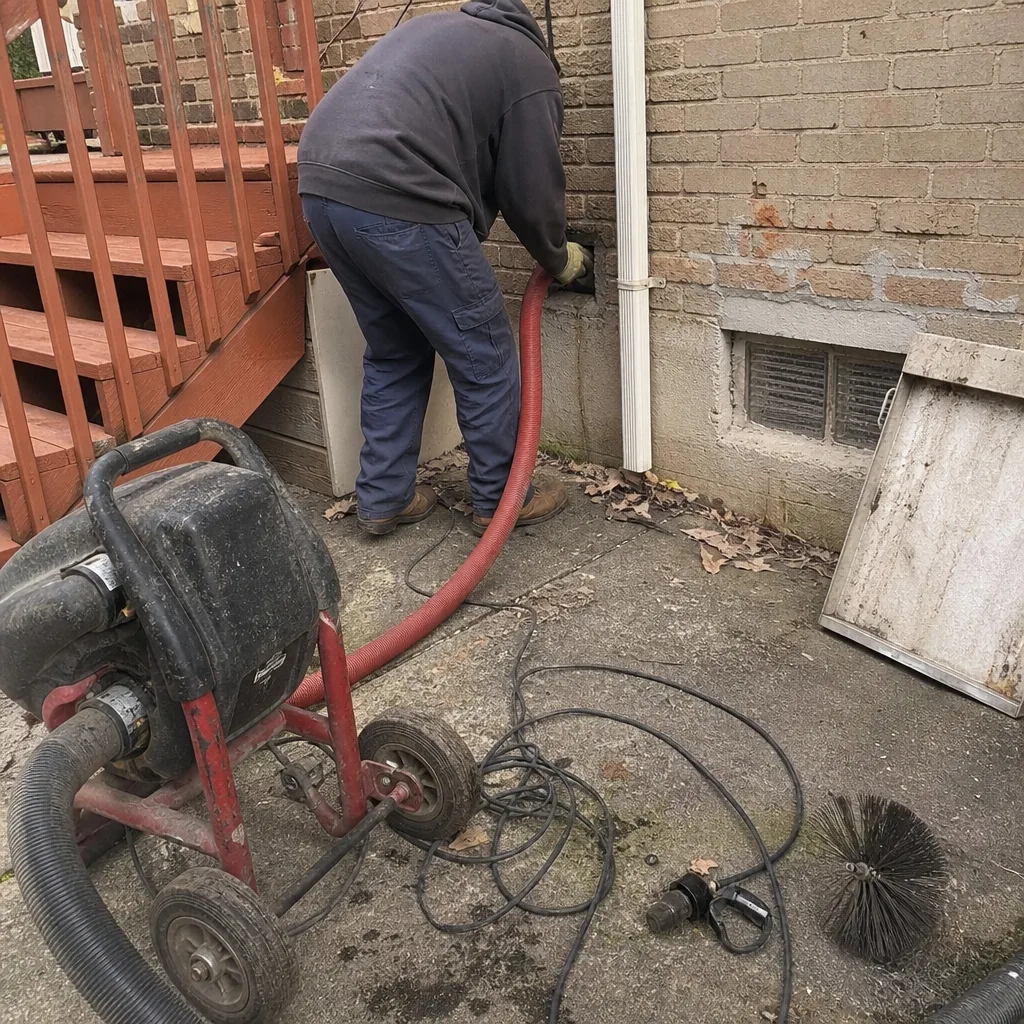 Before
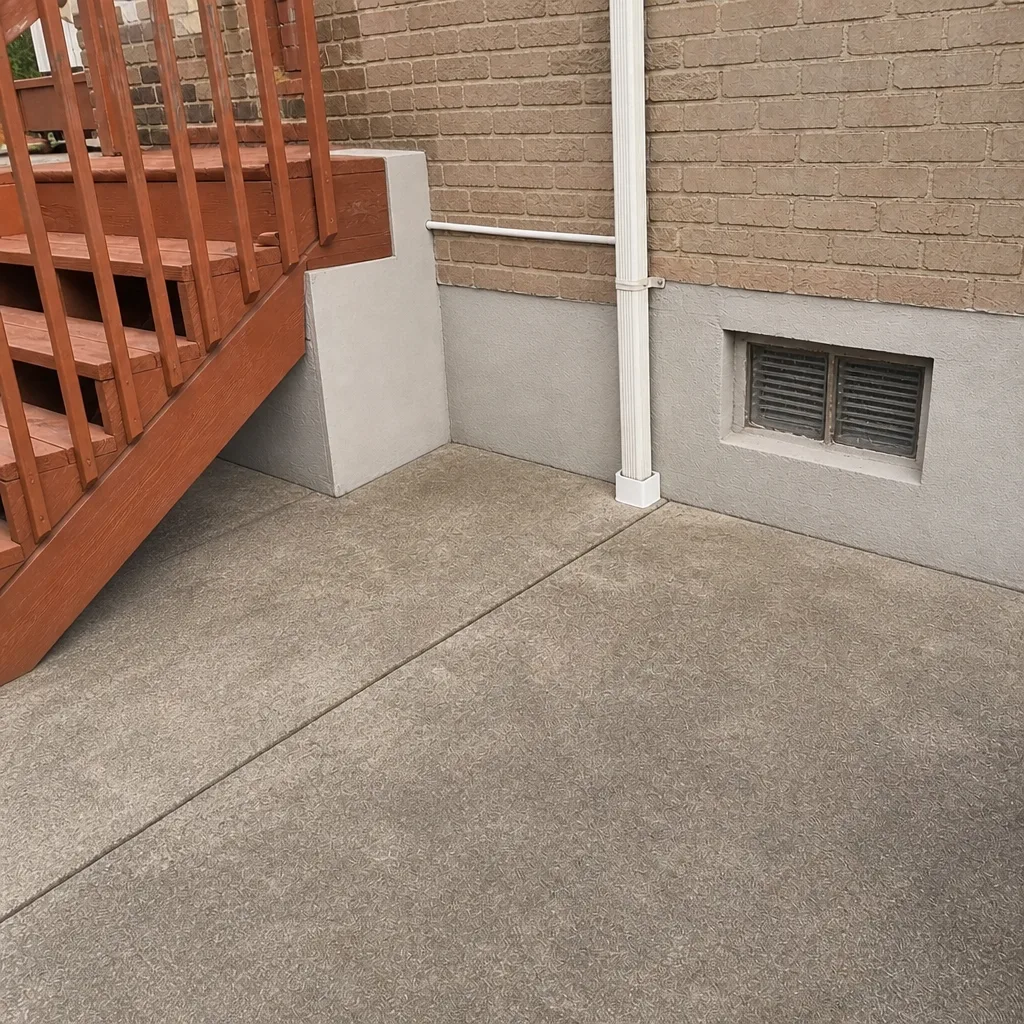 After
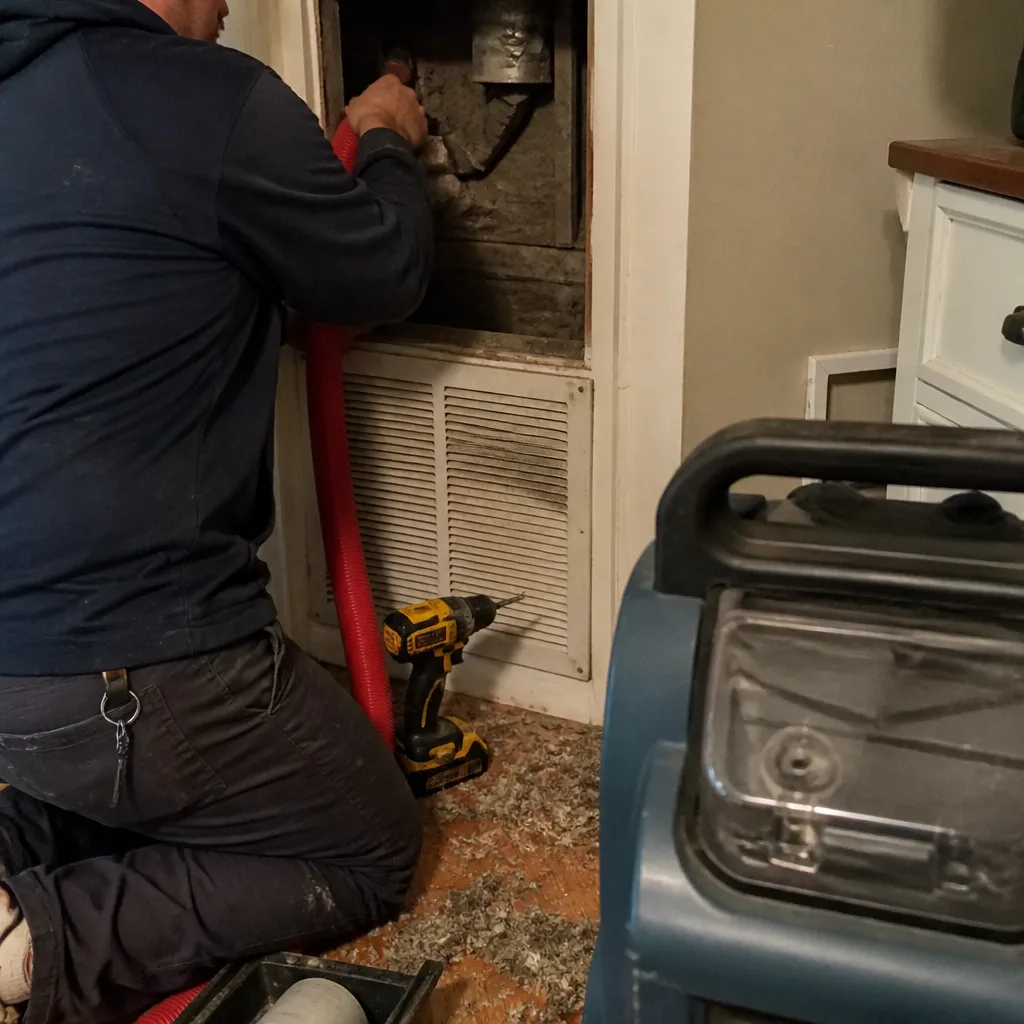 Before
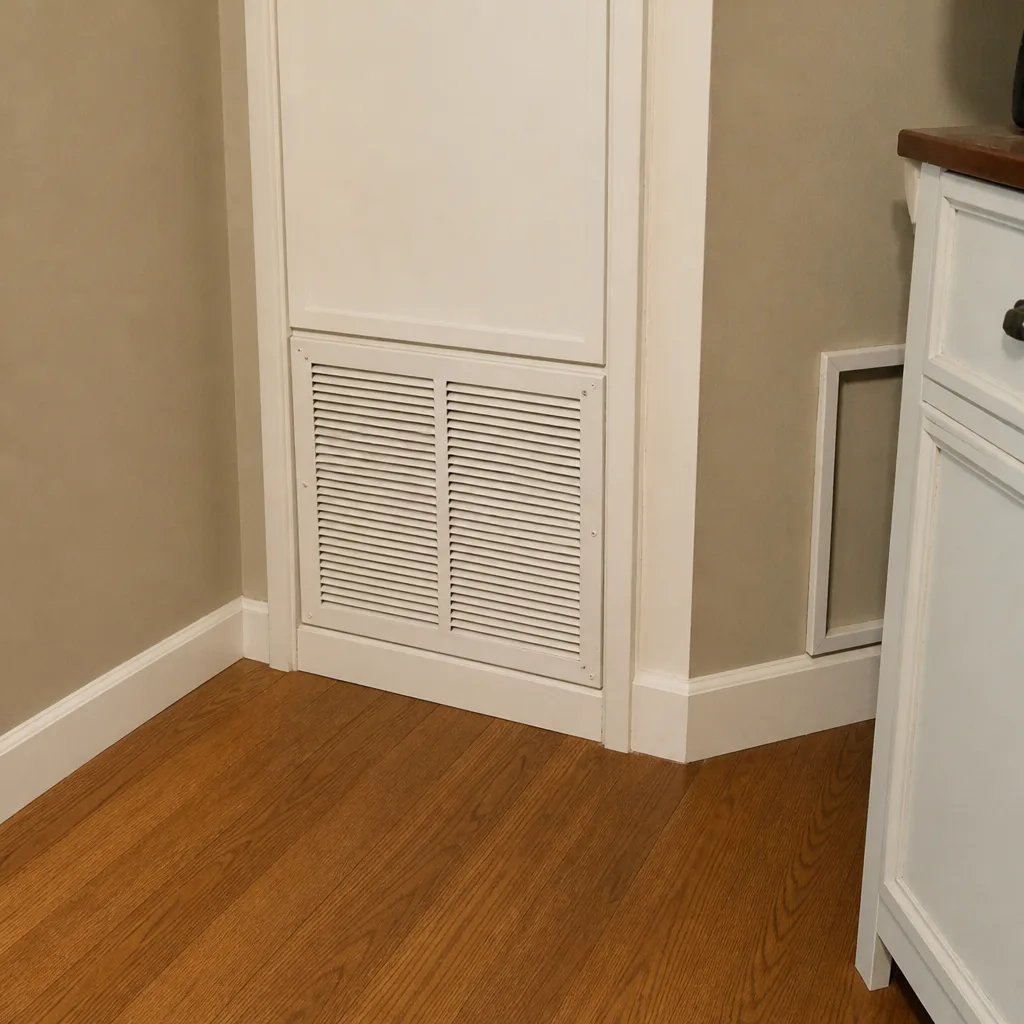 After
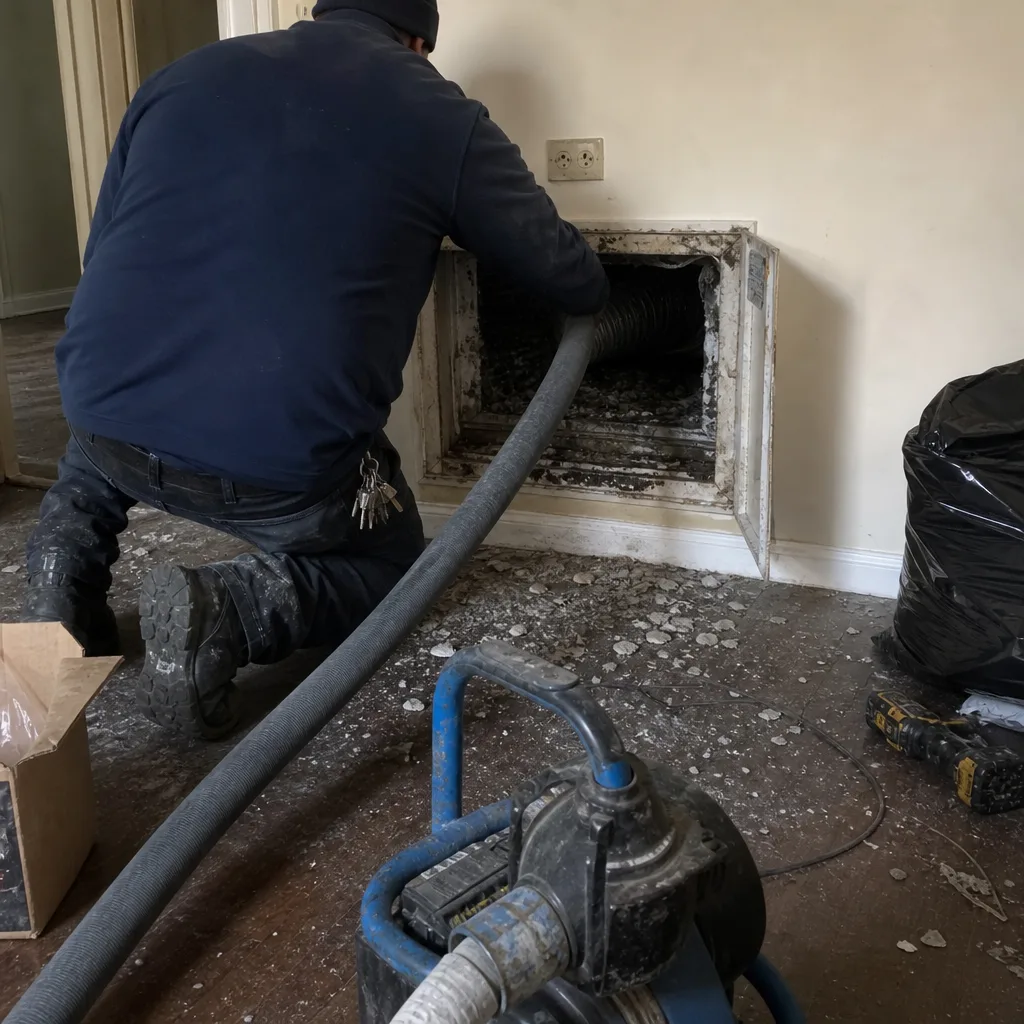 Before
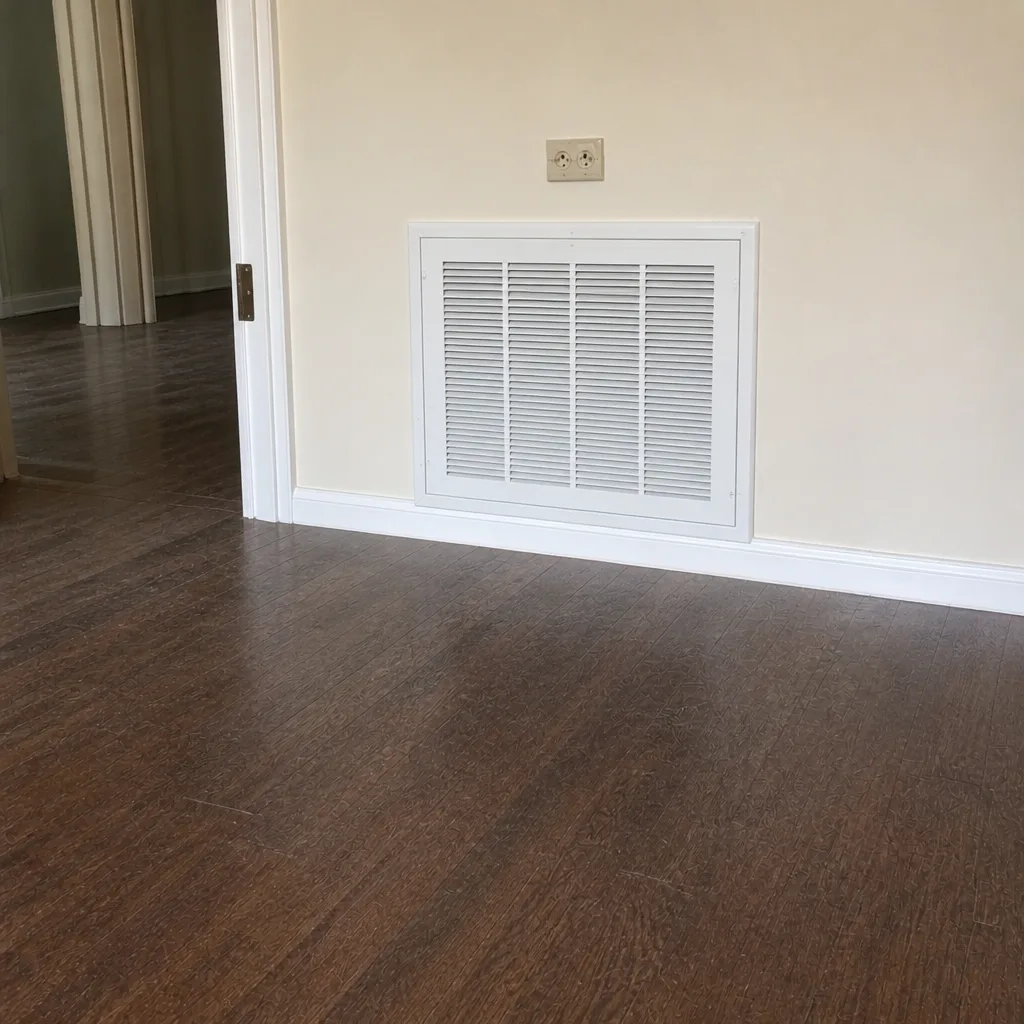 After
Common Mistakes to Avoid
- Treating duct cleaning as a once-and-done event. Without a maintenance rhythm, ducts accumulate debris faster than you’d expect, especially in humid Tacony summers, and the cleaning has to be redone anyway.
- Relying on calendar years instead of household triggers. A three-year schedule is meaningless if pets, renovation dust, or basement duct runs make your home accumulate debris faster. Log symptoms, not just dates.
- Ignoring the dryer vent between annual cleanings. Most homeowners think about the vent only when the dryer is slow. Check the exterior flap monthly; lint is combustible.
- Assuming a new filter is enough. A filter catches air that reaches it. Debris already in the duct runs keeps cycling. The filter and the duct cleaning are separate, complementary tasks.
- Choosing a bid on price alone. If the quote doesn’t mention equipment, containment, or before-and-after photos, you’re likely getting a shop-vac setup that recirculates what it extracts.
- Assuming some airflow variation is normal. Every register should feel roughly the same. A single weak register usually points to a disconnected duct, not a filter problem, and it won’t fix itself.
- Overlooking the older housing stock risk. Many Tacony rowhouses have ductwork in wall cavities and basements with leaky joints. Sealing and cleaning together prevent repeat problems.
When to Call a Professional
Book a professional inspection when your log fires any of these triggers: persistent musty odor at returns after a filter change, visible dust blowout at registers despite new filters, allergy symptoms that track with HVAC use, a recent renovation that sent dust through the returns, condensation or standing water near ductwork, or a dryer that’s running longer than usual. A disconnected duct run, visible from an accessible basement, is a direct reason to call. So is a dryer vent check that shows lint at the exterior hood.
Air Duct Cleaning Tacony offers free estimates in Tacony. Call (855) 337-1285 to book an inspection. We answer 24/7. Fast dispatch from 7am to 7pm, Sunday through Friday. You’ll receive a flat price per system agreed before work starts, and before-and-after photos of your own ducts.
Frequently Asked Questions
Every 3-5 years is a reasonable baseline for a typical Tacony home, but the trigger should be household conditions, not the calendar. Homes with pets, recent renovations, allergy sufferers, or basement ductwork should shorten that interval and inspect annually. If your monthly log shows two or more dust-outline or odor entries in a year, treat professional service as overdue rather than on schedule.
Most of the monthly and seasonal tasks are safe to do yourself: filter changes, register checks, airflow tests, exterior dryer vent checks, and log-keeping. What you should not attempt is inspecting inside the duct runs, cleaning the air handler, or opening the system near the heat exchanger. Leave that to a trained technician; the mechanical work is where professional equipment matters. The checklist is designed to tell you when that call is due.
Ask for before-and-after photos of your own ducts, taken during the service, and confirm that containment equipment is used so extracted debris doesn’t recirculate. A thorough service uses professional remediation-grade equipment, not a shop-vac. That’s why a flat-price quote should name equipment and process; if a quote is vague on both, treat it as a warning sign rather than a bargain.
Cheap quotes usually reflect a shop-vac setup or no containment, which extracts surface debris while recirculating the rest. The work also tends to skip the air handler and dryer vent, so you end up booking those separately. A complete service with professional equipment and full-system scope will cost more, but it covers what the cheap quote leaves behind. Ask what equipment is used and whether the price is per system or per vent.
Yes, but the mechanism matters. Humid summers keep duct surfaces damp, especially in basements and wall cavities, and damp duct walls grip debris and support microbial growth more readily. Homes with ductwork in unconditioned spaces should plan annual inspections rather than multi-year intervals. Sealing leaky joints as part of the maintenance rhythm addresses the source.
Cleaning dislodges and removes debris mechanically. Sanitizing is a separate step that addresses microbial contamination after the mechanical work is complete. On our jobs, sanitizing uses Guardsman treatments applied after cleaning. If your log shows recurring musty odor, the system likely needs sanitizing in addition to cleaning. Call (855) 337-1285 for an exact quote; estimates are free.
The Bottom Line
Duct maintenance is a rhythm, not an event. Tacony homeowners who follow the monthly check, the seasonal transition tasks, and the annual inspection pass will catch most problems before they require professional service. When the log fires a trigger, a professional cleaning with real equipment, containment, and a flat price per system is the right next step. Duct repair and sealing, dryer vent clearing, and sanitizing all belong to the same system, and handling them together is what keeps the cycle short. Call (855) 337-1285 for a free estimate in Tacony. We answer 24/7. Fast dispatch from 7am to 7pm, Sunday through Friday.
Written by the team at Air Duct Cleaning Tacony.