
Last updated November 25, 2026
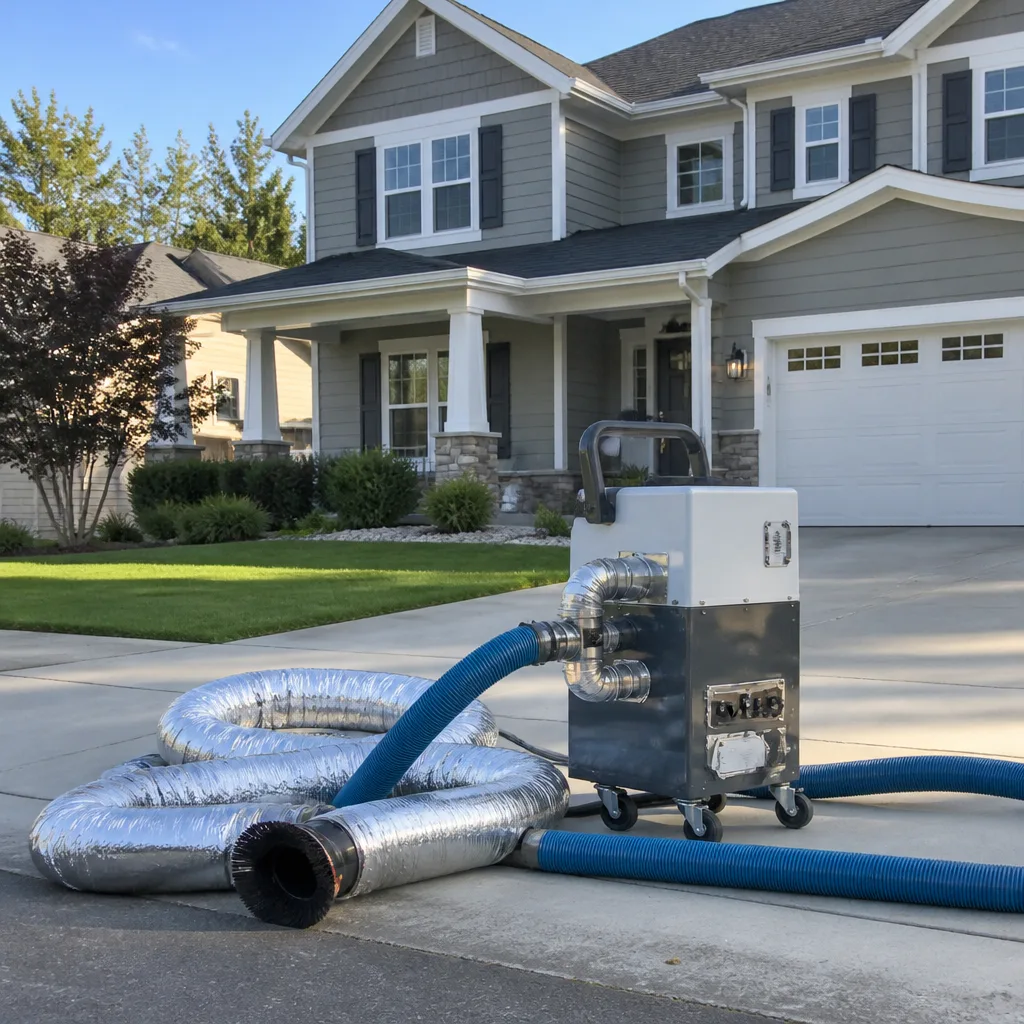 Whole-home duct cleaning
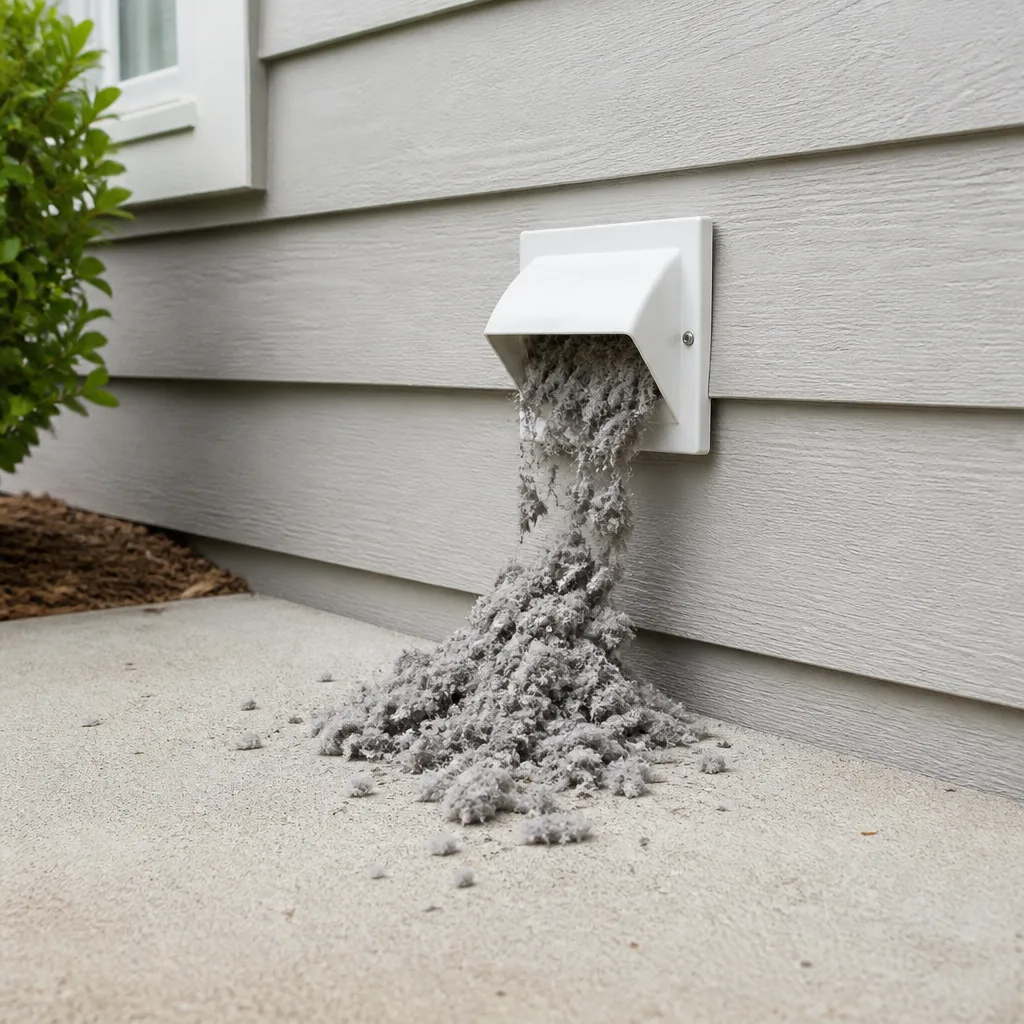 Dryer vent cleaning
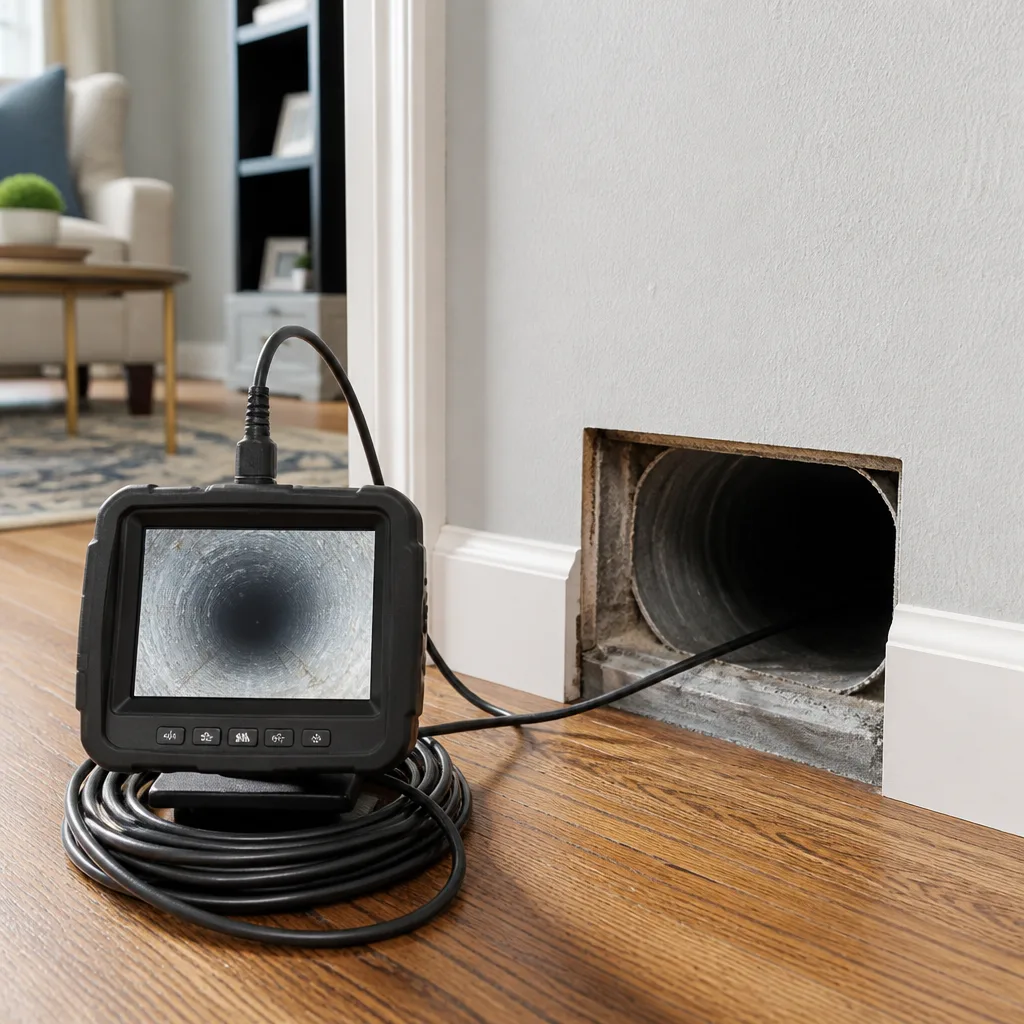 Camera inspection
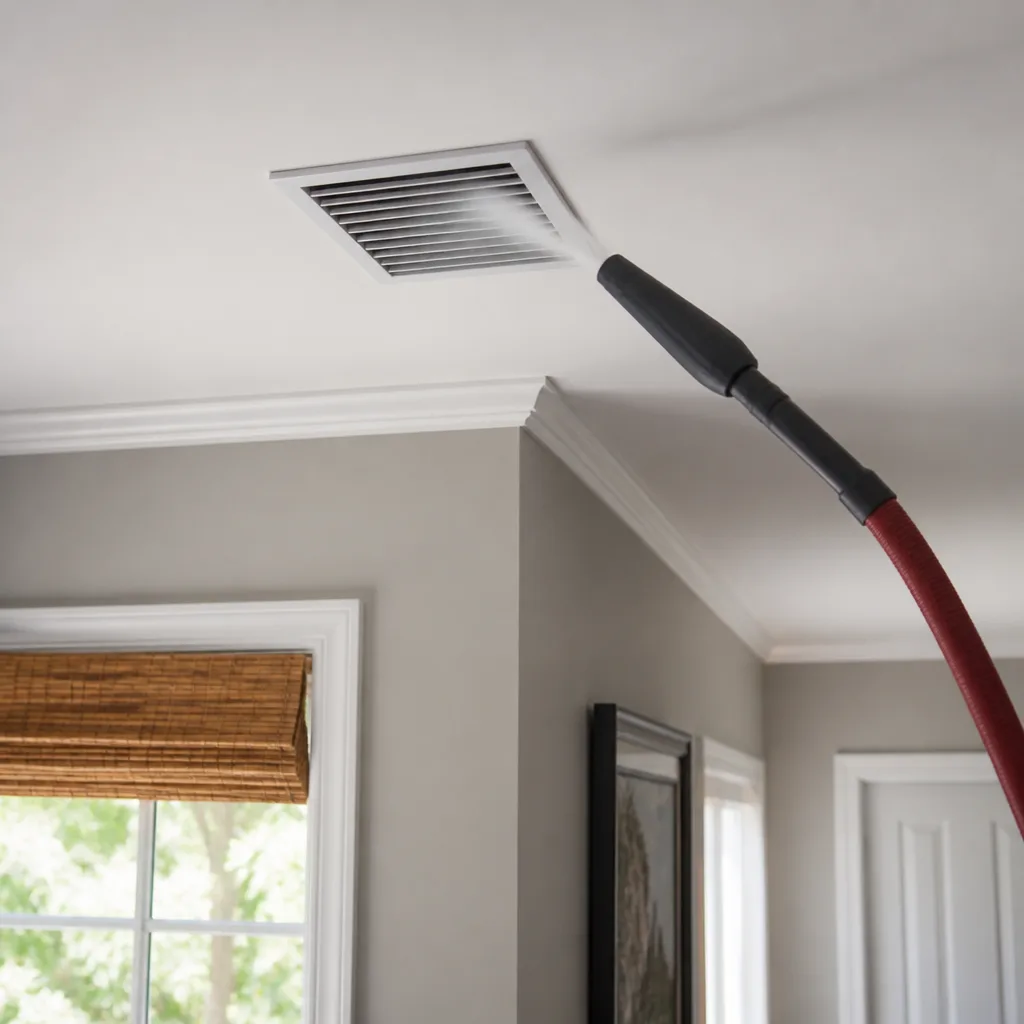 Sanitizing & deodorizing
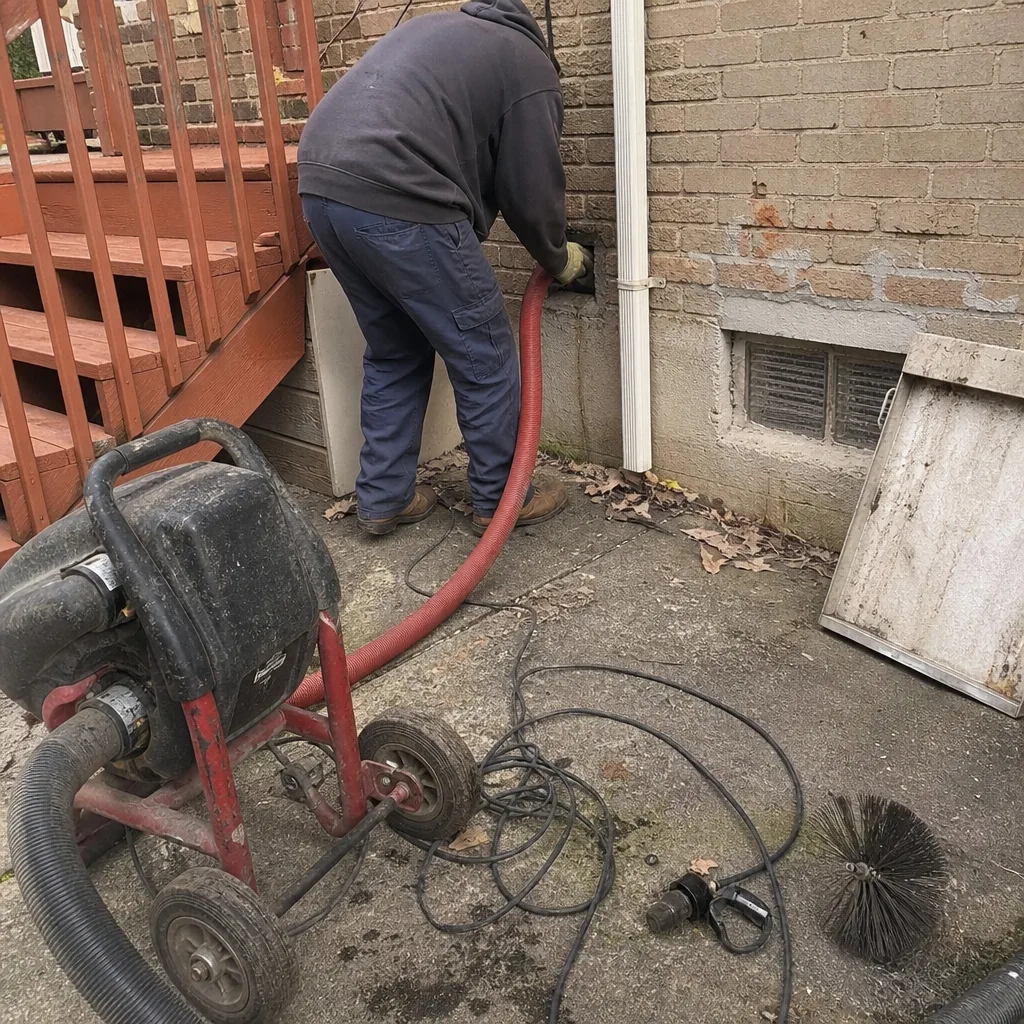
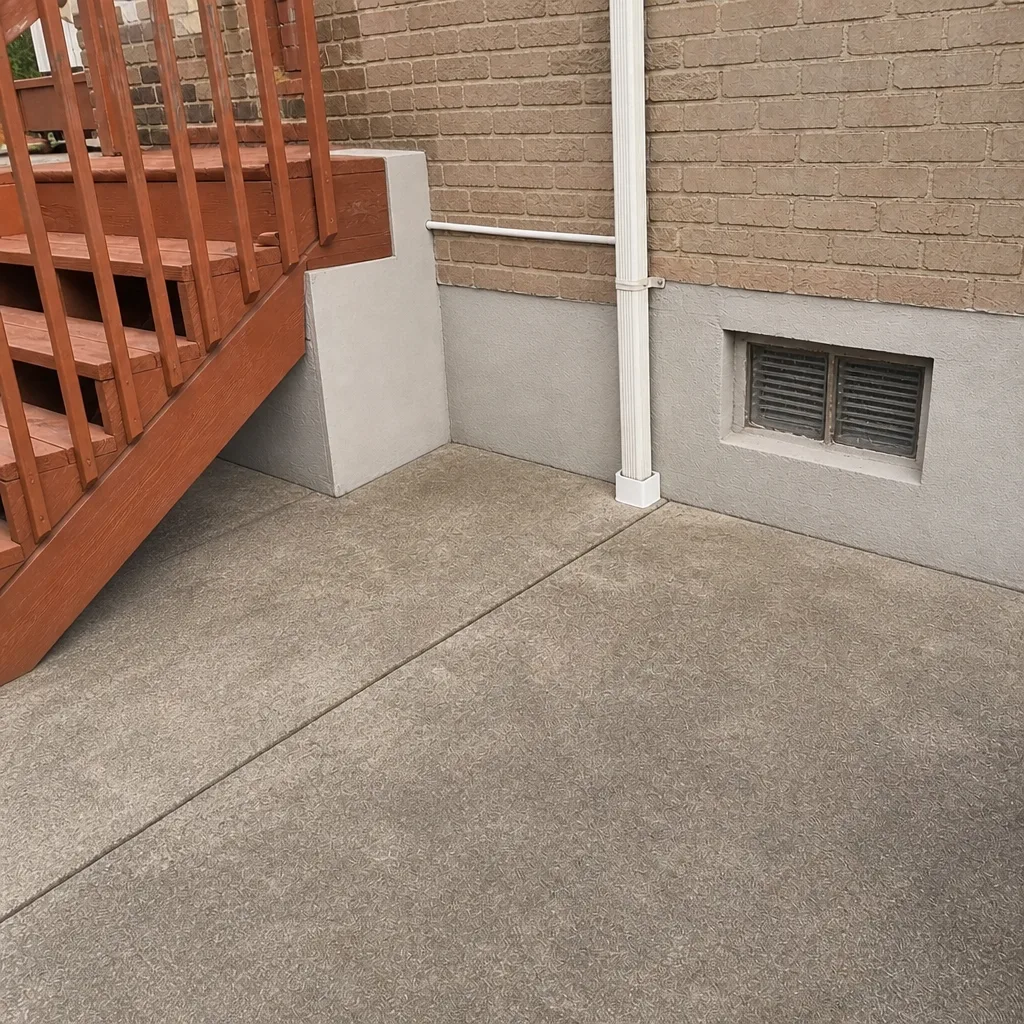
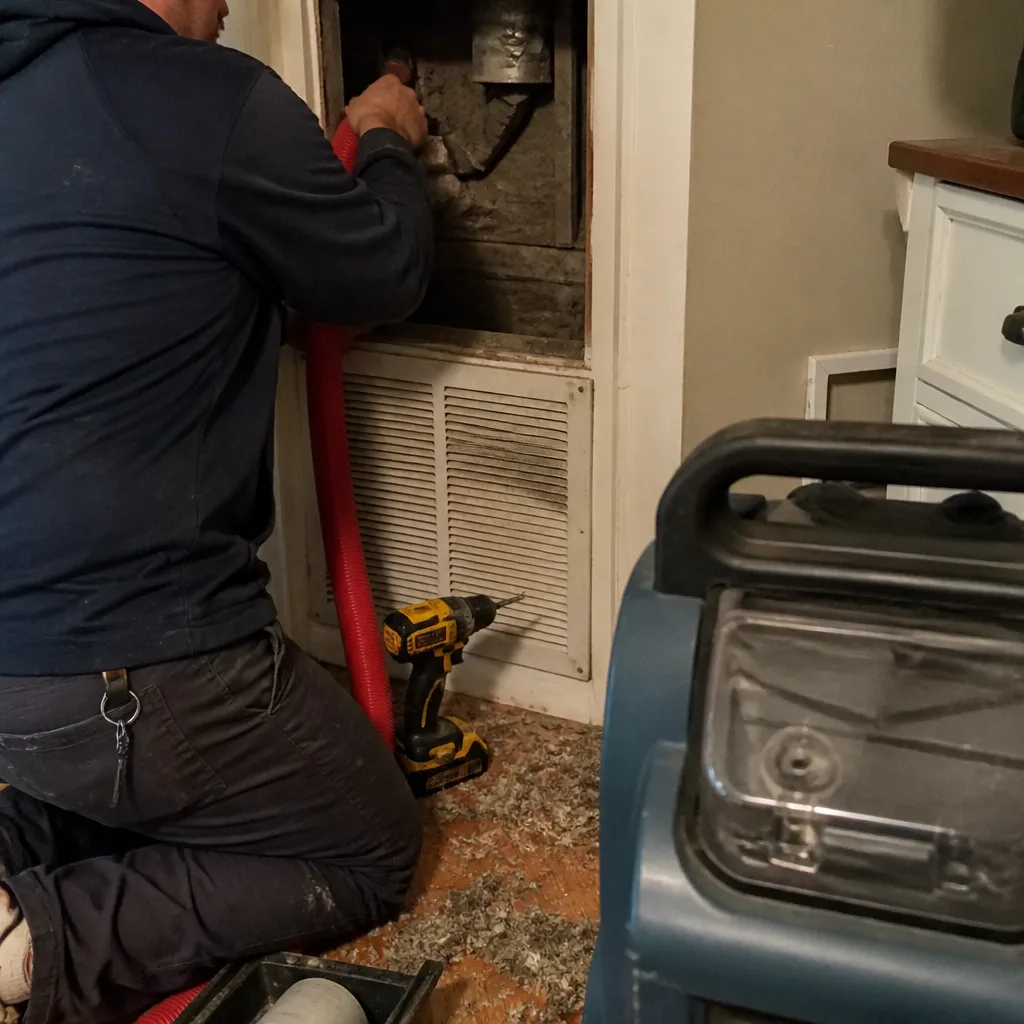
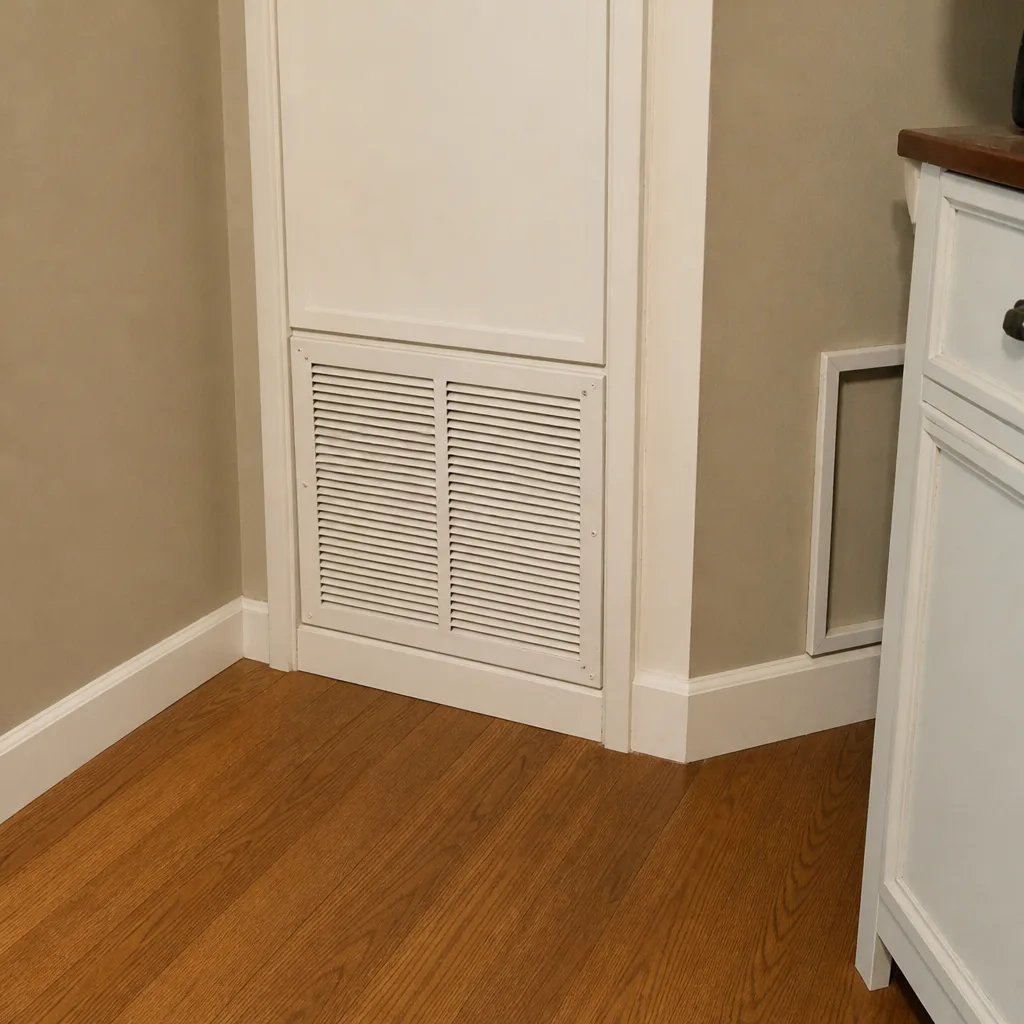
Whole-system duct and dryer vent check with before-and-after photos - you see exactly what came out of your vents
That "$99 whole-house special" is a bait ad - the real number appears once they are in your hallway, or the "clean" is a shop-vac at the register. We photograph the inside of your ducts before and after instead.
Air Duct Cleaning Permits, Codes & Inspections in Tacony, PA: What You Need to Know
No permit is needed to clean your ducts. But if the technician finds a collapsed flex duct and patches it without a permit, that repair becomes your problem the next time an inspector shows up. That gap between maintenance and construction is where most Tacony homeowners get caught, because cleaning and repair arrive in the same visit and look like the same job. They aren’t. One is routine upkeep with no paper trail required. The other touches Pennsylvania’s Uniform Construction Code and can follow your house to a resale, a refinance, or an insurance claim. This guide draws the line clearly, explains how code enforcement actually works in Tacony, and tells you what documentation to ask for before anyone seals a joint or replaces a run.
Quick Answer
Air duct cleaning by itself does not require a permit in Pennsylvania, and no code inspection is triggered by a routine cleaning. Duct repair, duct replacement, new duct sealing that alters the system, and any HVAC modification generally do fall under the Pennsylvania Uniform Construction Code and may require a permit through the City of Philadelphia’s Department of Licenses and Inspections. Ask the contractor which category the work falls into, in writing, before the job starts.
Styles & brands we work with
- Whole-home duct cleaning
- Dryer vent cleaning
- Camera inspection
- Sanitizing & deodorizing
Table of Contents
- What does Pennsylvania’s Uniform Construction Code cover for ductwork?
- Where is the line between cleaning and a permitted repair?
- How does code enforcement work in Tacony specifically?
- What documentation should you get for duct repairs?
- How do undocumented duct modifications affect insurance?
- What does a duct inspection actually involve?
- Does duct sealing count as a repair or as maintenance?
- What comes up at resale when duct work was done?
What does Pennsylvania’s Uniform Construction Code cover for ductwork?
Pennsylvania’s Uniform Construction Code, usually shortened to UCC, is the statewide building code that most municipalities in the commonwealth enforce. It adopts the International Residential Code and the International Mechanical Code as the technical standards, which means ductwork in a Pennsylvania home is governed by mechanical-code provisions even though the homeowner never reads them. The UCC is applied locally: Philadelphia enforces it through the Department of Licenses and Inspections, and smaller municipalities enforce it through their own code officials or through a contracted third-party inspection agency.
The mechanical provisions matter to ductwork in a few specific ways:
- Duct sizing and material. Replacement duct runs have to match the system’s design requirements. A contractor swapping a rigid trunk for undersized flex changes how the whole system performs.
- Sealing requirements. Duct systems in conditioned space carry sealing requirements under the energy code provisions the UCC adopts. A sealing job that goes beyond taping a joint can fall inside those requirements.
- Clearances. Ducts passing near combustion appliances or through certain assemblies have clearance rules. This is where unpermitted rerouting becomes a safety issue, not just a paperwork one.
- Alterations versus maintenance. The code governs alterations, repairs, and replacements of the mechanical system. Routine cleaning and maintenance sit outside that scope.
Here’s the practical version. Nobody at the city wants to inspect your ducts after a cleaning. They do want to know about a new trunk line, a rerouted run, or a mechanical change that a future owner might inherit. Our technicians have up to 11 years of experience in Tacony and the surrounding river wards, and the single most common code question we hear is whether a repair the previous owner made was ever permitted. Often it wasn’t, and often it was small enough that no one noticed. That’s not a reason to panic, but it is a reason to start keeping records now.
Where is the line between cleaning and a permitted repair?
The clearest way to think about it: cleaning removes material, repair changes material. Removal is maintenance. Change is construction. The UCC cares about the second one.
Here’s how the categories shake out for a typical Tacony home:
- Air duct cleaning. No permit. Removing dust, debris, and buildup from inside existing ducts doesn’t alter the system. This is air duct cleaning in its purest form, and it’s what most homes actually need.
- Dryer vent clearing. No permit in a normal case. Clearing lint from an existing vent run is maintenance. Installing a new vent termination or rerouting the run can cross into permitted territory. If your dryer vent has never been opened, see our page on dryer vent cleaning because the fire risk here is real and independent of any code question.
- HVAC cleaning. No permit. Cleaning the air handler, coil, and blower is service work on existing equipment. Our HVAC cleaning service covers the mechanical side of the system without touching its configuration.
- Duct repair. Depends on scope. Taping a separated joint or reconnecting a boot is a repair a code official would call maintenance-level. Replacing a run of flex, rebuilding a plenum, or reconnecting a trunk that was never properly supported is an alteration and may require a permit.
- Duct sealing. Depends on scope and method. Sealing existing joints with mastic or aerosol is generally treated as maintenance. Adding new ductwork as part of a sealing project is not.
- Sanitizing. No permit. Applying a treatment after mechanical cleaning doesn’t alter the system.
The honest answer for a homeowner is this: you don’t need to memorize the code. You need the contractor to tell you, before the work starts, whether what they’re about to do is cleaning or construction. If they can’t answer that clearly, that’s your signal.
How does code enforcement work in Tacony specifically?
Tacony sits inside the City of Philadelphia, which means the Department of Licenses and Inspections is the code authority rather than a township office. L&I handles permits, inspections, and enforcement for the whole city, and the practical effect for Tacony homeowners is that the permitting process runs through a central city system rather than a neighborhood counter. That system moves on its own timeline, and the paperwork burden for a small residential mechanical permit is real.
The housing stock in Tacony shapes how this plays out. The neighborhood is dominated by early- and mid-twentieth-century rowhouses and twins, and a large share of them have had their ductwork modified more than once. A house that started with gravity heat, got converted to forced air, then had central air added decades later will often have a duct system assembled from three different eras of work. When our technicians open up a system in Tacony, finding mixed duct types and unsealed transitions is routine rather than unusual.
That matters for code because a repair on a mixed system is harder to classify. Reconnecting a single joint in a mismatched run is a small thing. Rebuilding that run properly is not. And the rowhouse layout adds a wrinkle: duct runs in Tacony often travel through shared party walls and tight chases where the clearance provisions of the mechanical code actually apply. That’s a place where a quick patch by someone who didn’t check can create a genuine clearance problem, not just a documentation one.
Our advice to Tacony homeowners is straightforward. For cleaning, dryer vent clearing, HVAC cleaning, and sanitizing, don’t worry about permits. For anything that replaces, reroutes, or substantially rebuilds ductwork, ask the question before the work begins, and get the answer in writing.
What documentation should you get for duct repairs?
Ask for a written scope of work, and keep it. That single habit protects you more than any other step in this guide. A scope that names what was replaced, where, and with what material is the document that answers questions three owners from now.
Here’s what to collect on a duct repair job in Tacony:
- A written description of the work. Which duct, what was wrong with it, what material went in. “Repaired duct” is not documentation. “Replaced 8 feet of 8-inch flex in the rear trunk serving the second-floor bedrooms” is.
- Before-and-after photos. Ask for photos of the specific area worked on, taken during the job. Any contractor doing this work should be capturing them anyway, and they cost you nothing to request.
- The permit number, if a permit was pulled. Write it on the invoice or keep the permit paperwork with your home files.
- Material specifications. Duct material, insulation value, and mastic or sealant used. This matters when a future inspector or buyer’s contractor needs to match it.
- A statement of whether a permit was required. Have the contractor put in writing that the work as scoped did not require a permit, or that one was obtained. Either answer is useful. Silence is not.
- An itemized invoice. One flat price per system, agreed before work starts, with the scope attached. That’s the record that survives.
Keep all of it in the same folder as your HVAC service records. If you sell the house, that folder is worth more than you’d expect, because it lets you answer the buyer’s inspector’s questions without guessing.
How do undocumented duct modifications affect insurance?
Undocumented duct modifications become a problem after an event, not before it. When a claim is filed for water damage, fire, or a mechanical failure, the adjuster is looking at what caused it and whether the work that caused it was done properly. A duct modification with no paper trail is an open question, and open questions slow claims down.
The realistic scenarios where this bites:
- Fire originating near a rerouted duct. Clearance violations show up here. If the duct run was moved closer to a heat source without a permit or inspection, the adjuster has grounds to question the whole claim.
- Water damage from a duct-related condensate or coil issue. Unpermitted alterations to the air handler side of the system can complicate coverage for damage that follows.
- Mold remediation claims. Insurers increasingly ask for documentation of the duct system’s condition and history. Unpermitted work from a prior owner becomes part of the conversation.
- Appliance-related incidents. A dryer vent that was rerouted improperly and then contributed to a fire is a serious version of this problem.
We’re not insurance adjusters and we don’t tell people what their policy covers. What we can say is that we can work with your insurer on documentation when a claim involves ductwork, and the contractors we connect you with can provide records of what was found and what was done. The preventive step is easier: document repairs when they happen, not after a loss. If a prior owner left you with unpermitted work, the productive response is to have a licensed contractor inspect it, correct what needs correcting, and create a record going forward. An inspection isn’t an admission of anything. It’s the first entry in a file that didn’t exist before.
What does a duct inspection actually involve?
A duct inspection is a camera pass through the system plus a look at the parts you can reach. There’s no regulatory body that inspects air ducts after a cleaning, and no certificate a cleaning job produces. What you get instead is a condition report from the contractor, which is useful even though it isn’t code-driven.
A thorough inspection in a Tacony rowhouse typically covers:
- Camera inspection of the main trunk and branch runs. This shows debris accumulation, disconnected sections, crushed flex, and microbial growth inside the duct.
- The air handler and coil. Buildup here tells you whether the system is moving air properly and whether the cleaning will actually change anything.
- Accessible joints and connections. Separated joints are where most efficiency loss and most repair needs live.
- Return ducts and register boots. Returns are commonly overlooked and commonly the dirtiest part of the system.
- The dryer vent, if there is one. A separate inspection with a separate purpose, and worth doing on the same visit.
- Documentation of findings. Photos and a written description of what was found and what, if anything, needs repair.
When we inspect a system, we use a Rotobrush rotary brush system for the cleaning pass and Nikro HEPA-rated vacuum equipment to contain what comes out, with Abatement Technologies air filtration units running on the job so extracted contaminants are captured rather than recirculated into the house. That’s the equipment standard a remediation contractor would use, and it’s part of why the condition report means something: the inspection and the cleaning happen with the right tools in the room.
What the inspection is not: a pass/fail grade, a compliance document, or a substitute for a city inspection when one is required. If the work crosses into permitted territory, a licensed contractor handles the permit and the municipal inspection separately.
Does duct sealing count as a repair or as maintenance?
Sealing existing joints is maintenance in most cases. Adding ductwork as part of a sealing project is not. The dividing line is whether the seal treats what’s already there or whether the project changes the system’s layout.
For Tacony homes specifically, sealing is often the most valuable thing you can do to an old duct system. The rowhouse layout means long runs through unconditioned space, and every unsealed joint along the way leaks. Sealing those joints with mastic or an aerosol sealant improves efficiency and reduces the dust that gets pulled into the living space from attic and crawlspace areas. That’s maintenance, and it doesn’t require a permit.
Where it gets more complicated:
- Rebuilding a leaking trunk section as part of a sealing project is a repair with construction-level scope. Ask about permits.
- Adding a new duct run to serve a space that didn’t have one is an alteration. Permits likely apply.
- Rerouting a duct to eliminate a leak-prone path is an alteration even if the goal is efficiency.
- Sealing at the air handler and plenum is generally treated as service work, though plenum modifications can cross the line if material is being replaced rather than sealed.
After sealing, some homeowners choose to address microbial control inside the system with a sanitizing treatment. That step is separate from sealing and separate from code. We use Guardsman-brand sanitizing treatments after mechanical cleaning is complete for exactly that reason: the cleaning handles the physical debris, and the sanitizing handles what’s left on surfaces. If you want to go further on air quality, Honeywell and Aprilaire products bridge the gap between a one-time cleaning and long-term maintenance of the indoor air, and both are brands HVAC professionals already know.
What comes up at resale when duct work was done?
At resale, the buyer’s home inspector walks the house and writes down what they see. Unpermitted duct work doesn’t usually get flagged on its own, but it does get noticed when it shows the signs of a rushed job: unsupported flex runs, mismatched duct types spliced together, joints sealed with tape instead of mastic, or a run that clearly wasn’t part of the original layout.
Once it’s in the inspection report, it becomes a negotiation item. The buyer asks for documentation, you don’t have it, and the conversation moves toward a credit or a repair demand. The cost of a small permit and an inspection during the original job is almost always less than the credit you’ll give at closing to make the question go away.
For Tacony rowhouses there’s an added wrinkle: party-wall duct runs. Ducts that pass through shared walls between twins and rowhouses often can’t be fully inspected without opening the wall, and a buyer’s inspector will note that they couldn’t verify the condition. Having a written record of when the duct was last cleaned, repaired, or sealed is the answer to that note. It doesn’t resolve every question, but it converts “unknown” into “documented,” and that’s usually enough.
The practical habit: any time duct work of any kind is done on your Tacony home, put the paperwork in the folder with your HVAC records. Cleaning invoices, inspection reports, repair scopes, permits, photos. A thin folder with a decade of entries is a meaningful asset when you sell.
Common Mistakes to Avoid
- Treating a repair as part of the cleaning. When a technician finds a disconnected joint during a cleaning, the convenient move is to reconnect it on the spot without discussion. Ask whether that repair crosses into permitted territory before it happens, because once it’s done and undocumented, the question is yours.
- Assuming the previous owner did it right. Tacony rowhouses have often been through several rounds of duct work by several owners. If your records start with your purchase, the work before that is unverified. Have the system inspected if you don’t know its history.
- Skipping the dryer vent because it isn’t “ductwork.” It is ductwork, and it’s the one with a fire risk attached. Clearing it is maintenance with no permit needed, and it’s the easiest safety win in the house.
- Accepting a verbal scope. A contractor who won’t put the scope in writing won’t put the permit in writing either. One flat price per system, agreed before work starts, with the scope attached, is the standard to hold.
- Hiring on price alone and getting a shop-vac setup. The equipment difference is the difference between a real cleaning and a surface pass. Professional-grade containment is what keeps the extracted dust out of your living room, and a low bid usually reflects the absence of it.
- Not photographing the work. Before-and-after photos of your own ducts are the simplest proof that the work happened. Ask for them on every job and keep them.
- Waiting for a sale to address the system. Duct problems don’t improve with time. Sealing a leaking joint now costs less than rebuilding a wet, deteriorated run later, and the code question only gets harder once the original condition is gone.
See the difference
 Before
 After
 Before
 After
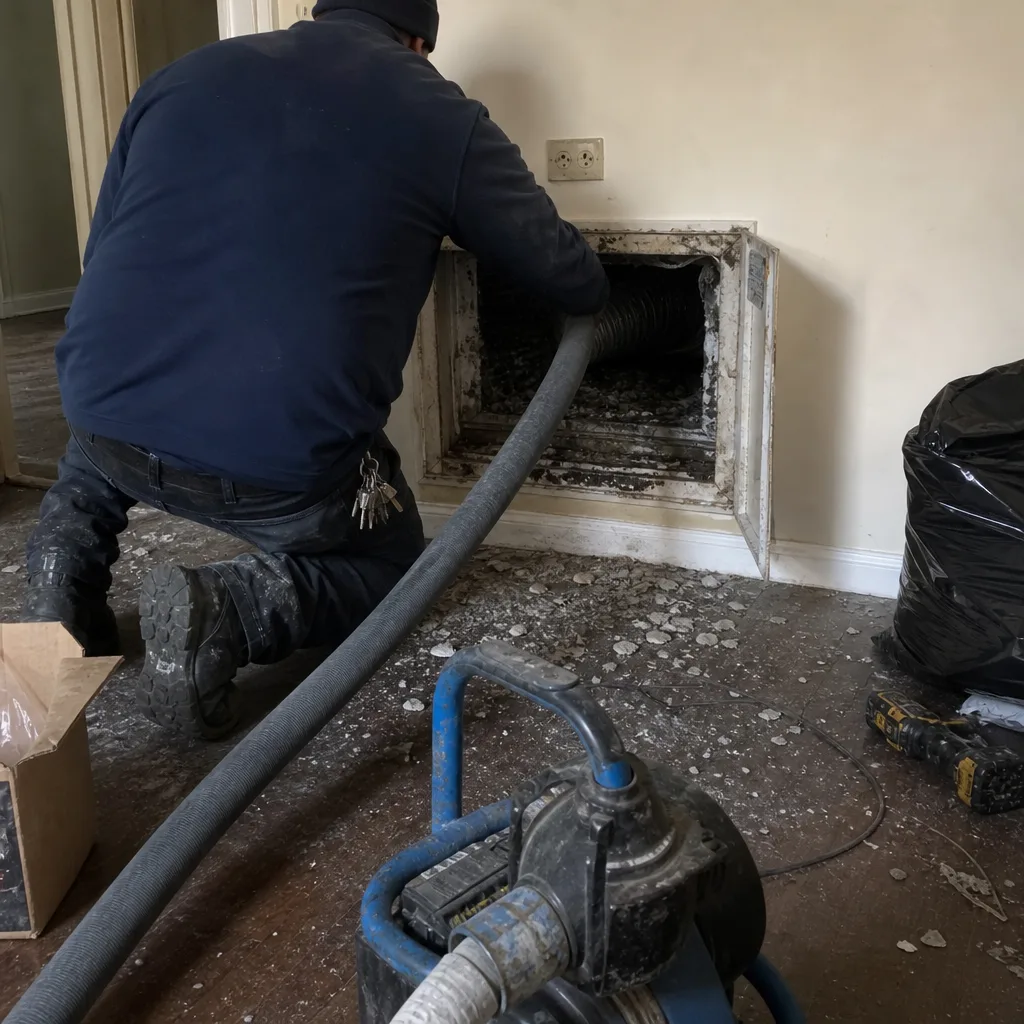 Before
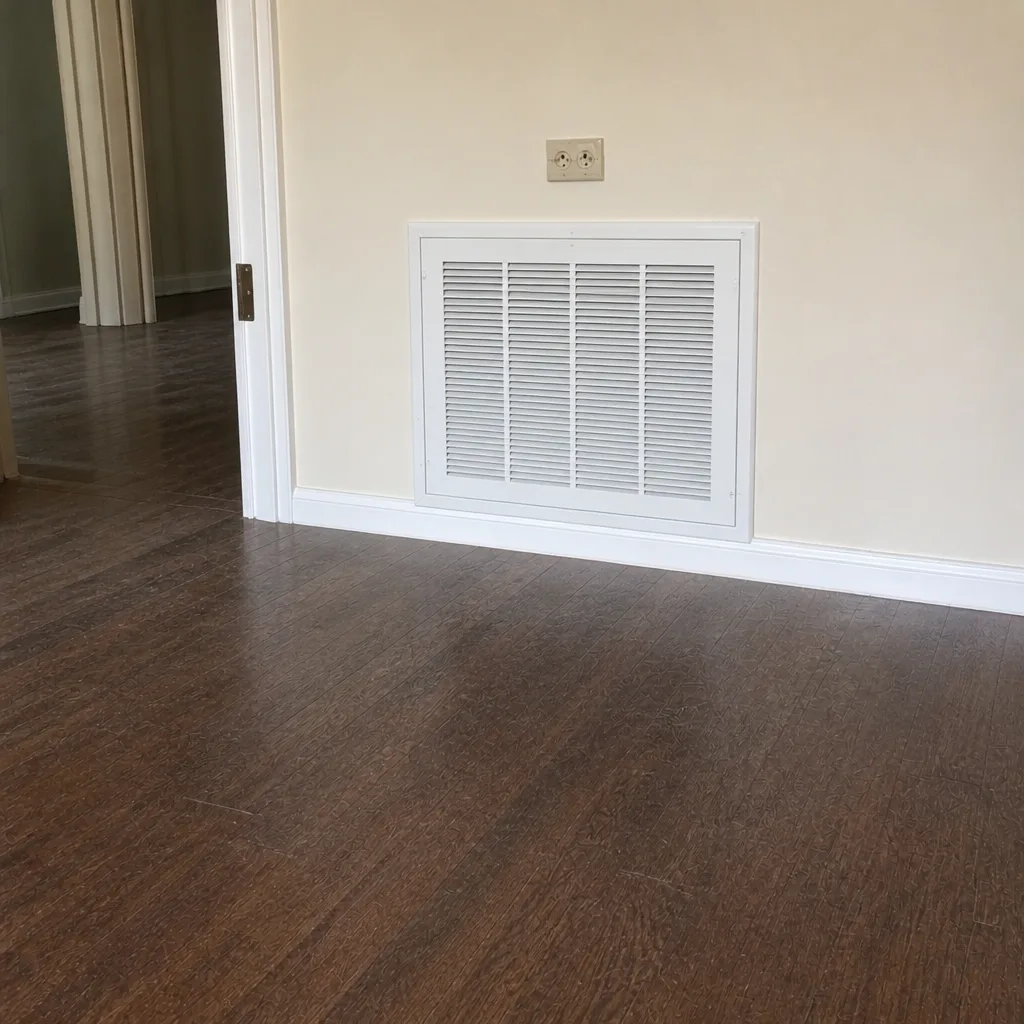 After
When to Call a Professional
Call when you can see dust streaking out of a register, when one room never gets comfortable air, or when the system sounds different than it used to. Call when you’re buying a Tacony rowhouse and the inspection report notes duct work you can’t verify. Call after any renovation that generated drywall dust, because that dust ends up inside the system. Call when the dryer takes two cycles to dry a load, because that’s a vent problem and a fire risk. And call before a contractor patches, replaces, or seals ductwork, so the permit question gets answered before the work happens rather than after. Air Duct Cleaning Tacony offers free estimates in Tacony – call (855) 337-1285. We answer 24/7. Fast dispatch from 7am to 7pm, Sunday through Friday.
Frequently Asked Questions
No. Air duct cleaning is maintenance and does not require a permit in Pennsylvania, and no code inspection follows a routine cleaning. The permit question only arises when the work changes the duct system through repair, replacement, rerouting, or new duct installation. Call (855) 337-1285 for an exact quote – estimates are free.
It depends on scope, and the dividing line is whether the repair alters the duct system or restores it as it was. Taping a separated joint or reconnecting a boot is generally maintenance-level work. Replacing a duct run, rebuilding a plenum, or rerouting a trunk is an alteration and may require a permit through Philadelphia’s Department of Licenses and Inspections. Ask the contractor to state in writing which category the work falls into before starting.
Pricing is per system rather than per vent, and the written estimate sets the final number, so we don’t quote a per-vent figure. The reason we hold that line is the reputation the industry has earned: a teaser price that turns into a larger invoice once the technician is on site. We work on one flat price per system agreed before work starts, with before-and-after photos of your own ducts. Call (855) 337-1285 for an exact quote – estimates are free.
A cheap quote usually reflects cheap equipment. A shop-vac setup with a long hose doesn’t have the containment to hold what it pulls out, so extracted dust ends up back in the room, and it doesn’t have the agitation to dislodge compacted debris from duct walls. We run Rotobrush rotary brush equipment and Nikro HEPA-rated vacuums with Abatement Technologies filtration on the job, which is remediation-grade containment. That equipment costs more to operate, and the quote reflects it. Call (855) 337-1285 for an exact quote – estimates are free.
You get before-and-after photos of your own ducts, not stock images, plus a written scope of what was found and what was cleaned. Camera footage of the system before and after is the proof that means something, and any contractor doing real work should be able to provide it. Call (855) 337-1285 for an exact quote – estimates are free.
Most homes don’t need a fixed annual schedule. Cleaning makes sense when there’s evidence the system has accumulated debris: after a renovation, after a long stretch with no records, when dust is visibly blowing from registers, or when an inspection shows buildup. Homes with pets, recent construction dust, or a dryer vent that hasn’t been cleared often benefit from more frequent attention. Call (855) 337-1285 for an exact quote – estimates are free.
It can. Undocumented duct modifications can complicate an insurance claim after a loss and can surface as a negotiation item during a sale when the buyer’s inspector notes work that can’t be verified. The fix is to have the system inspected by a licensed contractor, correct what needs correcting, and start a written record now. That record is what protects you going forward.
Sealing existing joints is usually treated as maintenance and doesn’t require a permit. Adding new ductwork as part of a sealing project, or rerouting a run, is an alteration and may require one. If your goal is simply to stop leaks at existing joints, that’s the maintenance side of the line. For a full-system evaluation, reach out through air duct cleaning in Tacony and we’ll tell you what the scope actually requires.
The Bottom Line
Cleaning your ducts doesn’t need a permit and doesn’t trigger an inspection. Repairing, replacing, rerouting, or extending them may, because those are alterations under Pennsylvania’s Uniform Construction Code, enforced in Tacony by the City of Philadelphia’s Department of Licenses and Inspections. The practical habit that protects you is simple: ask the contractor to classify the work in writing before it starts, collect the paperwork whether or not a permit was needed, and keep before-and-after photos with your home records. Do that and a future inspector’s question stops being a scare. Skip it and a small undocumented patch becomes the buyer’s negotiation lever or the adjuster’s open file. The work itself is straightforward. It’s the record that needs care.
Air Duct Cleaning Tacony covers all five services under one visit: cleaning, dryer vent clearing, HVAC cleaning, duct repair and sealing, and air quality sanitizing. Our technicians have up to 11 years of experience, and we use professional-grade Rotobrush, Nikro, and Abatement Technologies equipment on every job. Call (855) 337-1285 for a free estimate. We answer 24/7. Fast dispatch from 7am to 7pm, Sunday through Friday.
Written by the team at Air Duct Cleaning Tacony.