
Last updated November 25, 2026
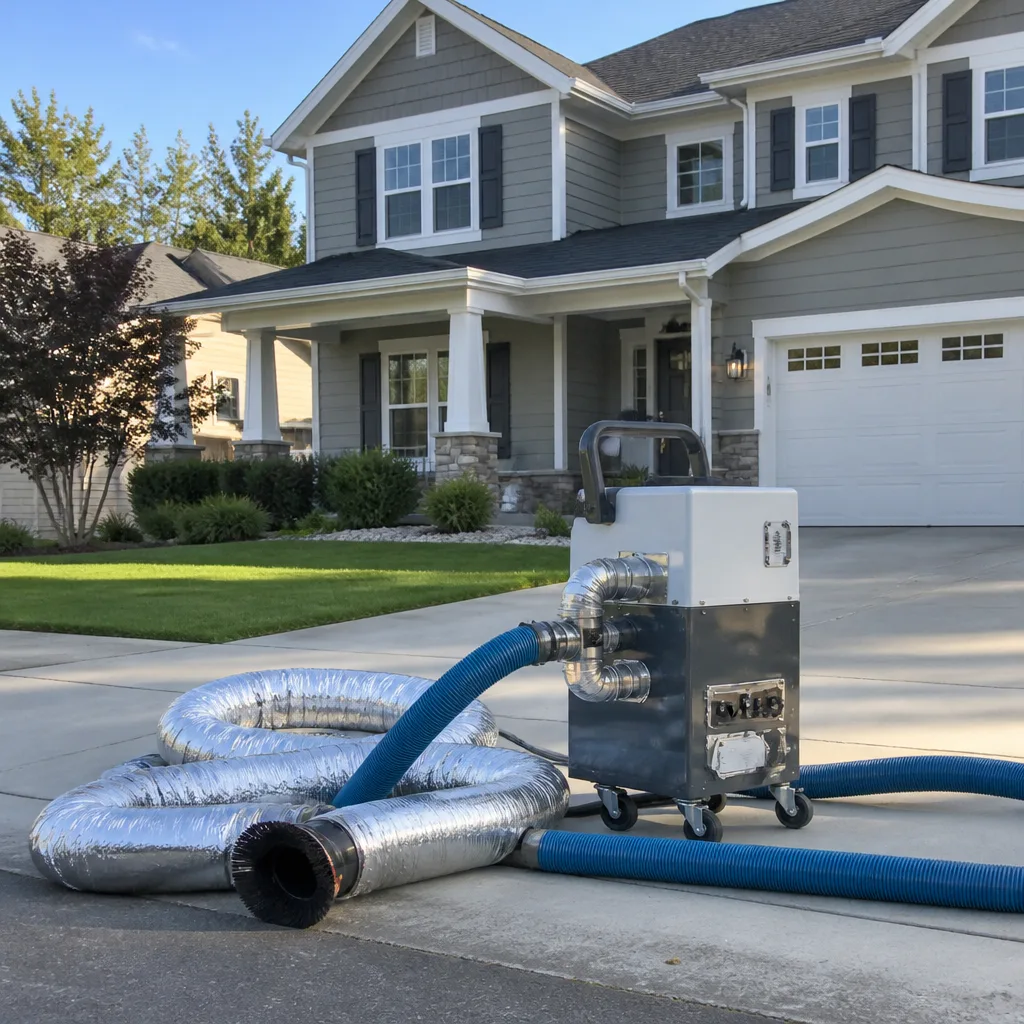 Whole-home duct cleaning
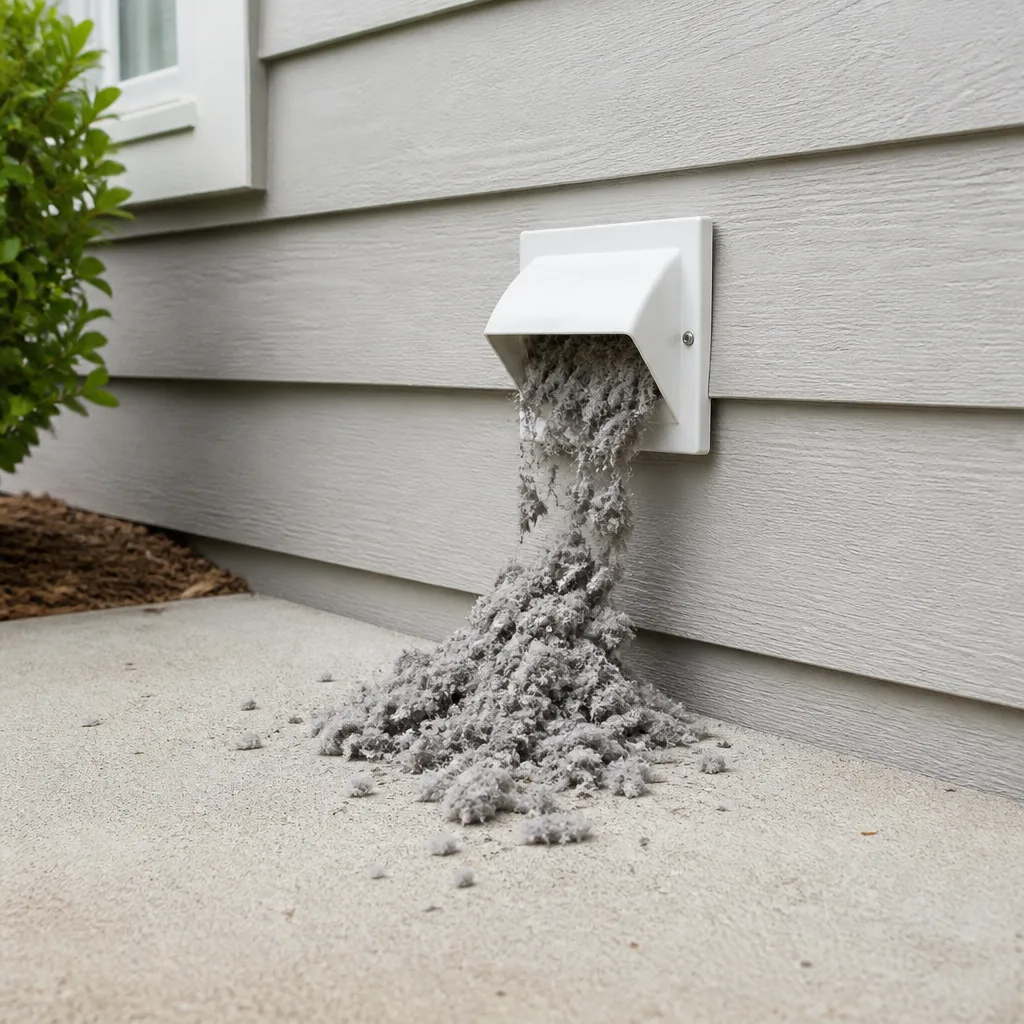 Dryer vent cleaning
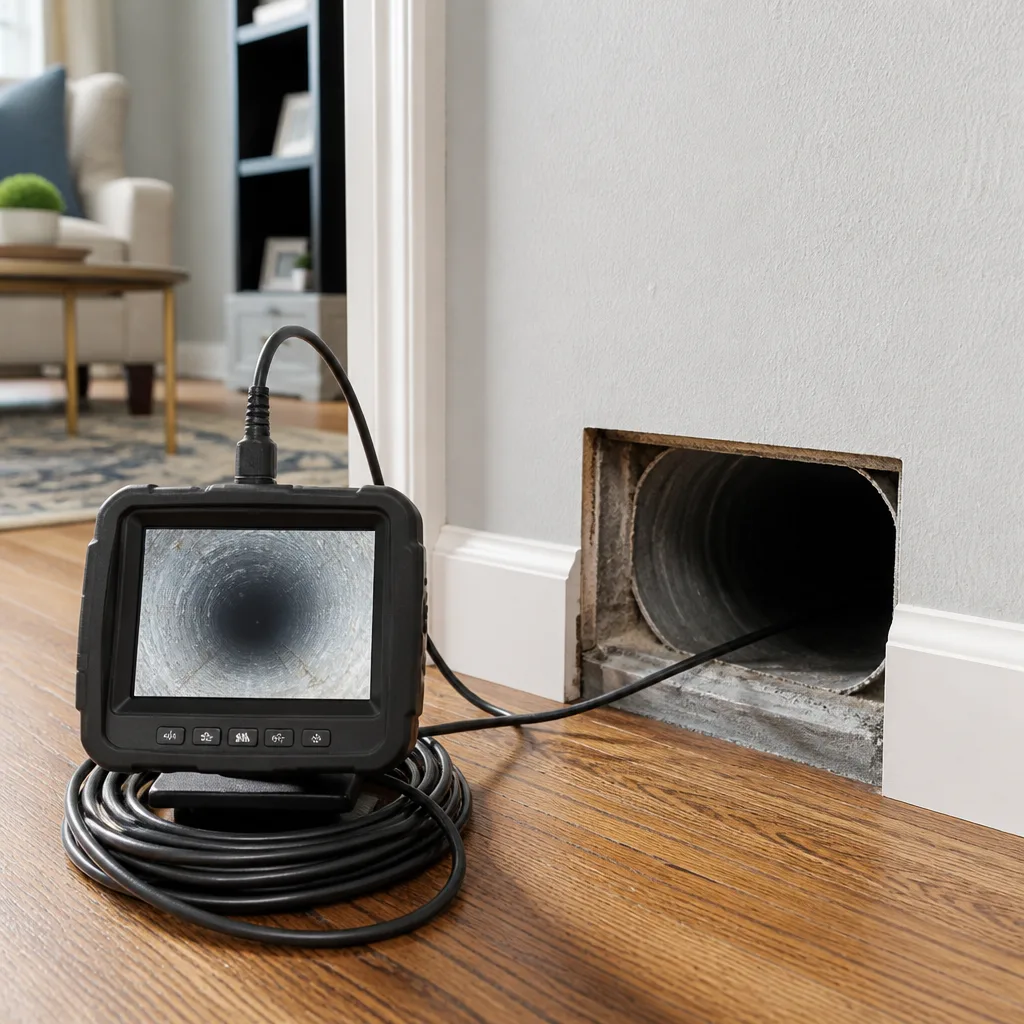 Camera inspection
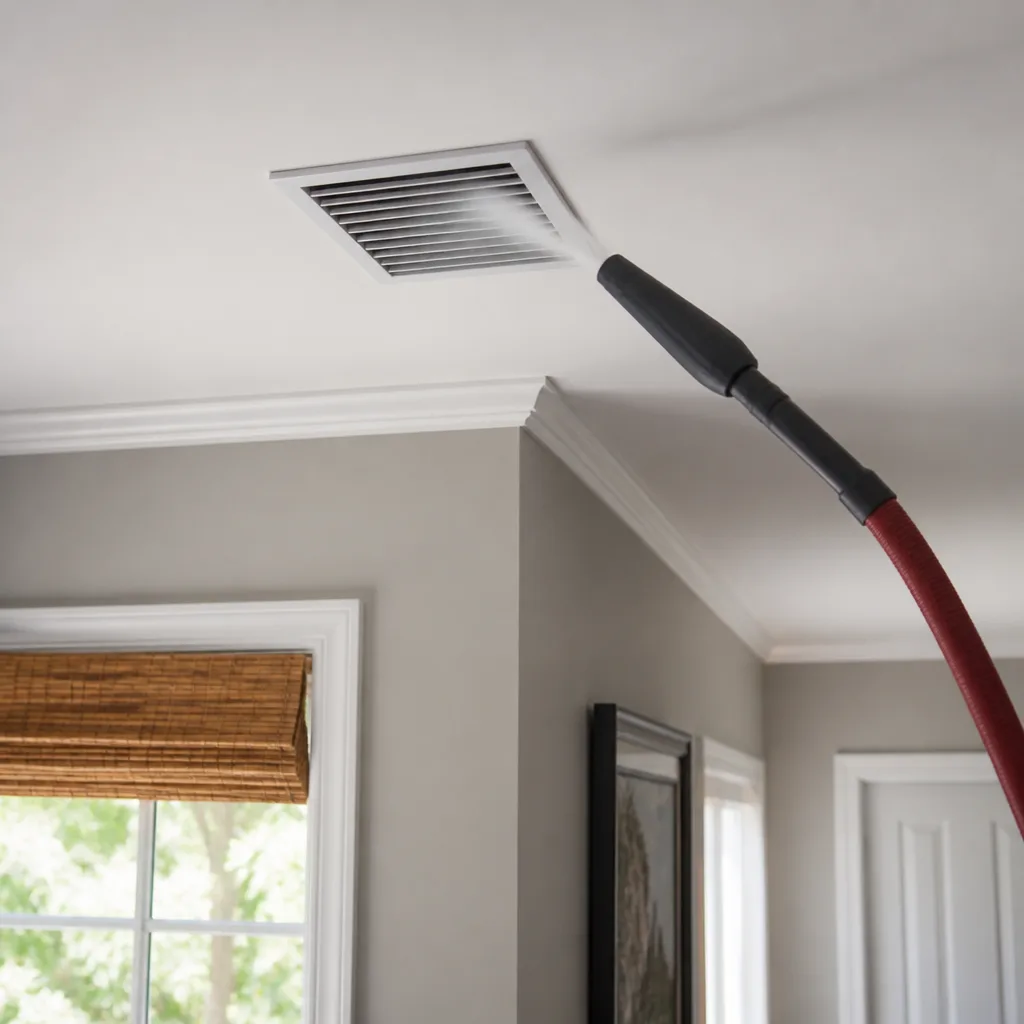 Sanitizing & deodorizing
Whole-system duct and dryer vent check with before-and-after photos - you see exactly what came out of your vents
That "$99 whole-house special" is a bait ad - the real number appears once they are in your hallway, or the "clean" is a shop-vac at the register. We photograph the inside of your ducts before and after instead.
The Complete Guide to Air Duct Cleaning in Tacony
A vacuum attached to one register does nothing for the sixty feet of ductwork running behind your walls, above your ceiling, and through the joist bays of a Tacony rowhouse. Yet that is exactly the service most low-bid outfits deliver: a hose at the supply vent, a few minutes per room, and an invoice. Real duct cleaning works from the return side through the air handler and out to every branch line, and it starts with a diagnosis, not a vacuum. In this guide we map every component of a Philadelphia rowhouse or split-level duct system and explain what a complete clean actually touches, so you can tell the difference between a full-system job and a $99 blowout.
Quick Answer
Air duct cleaning in Tacony means mechanically dislodging debris from every supply and return branch, cleaning the air handler and blower, and containing everything with negative-pressure filtration so it leaves the house instead of settling back into the living space. A complete job includes an inspection first, uses remediation-grade equipment, and finishes with repair, sealing, and optional sanitizing. Anything less is a surface job.
Styles & brands we work with
- Whole-home duct cleaning
- Dryer vent cleaning
- Camera inspection
- Sanitizing & deodorizing
Table of Contents
- The anatomy of a Tacony duct system
- Why inspection comes before cleaning
- What remediation-grade equipment does that shop-vacs cannot
- How supply ducts, return ducts, and the air handler are cleaned differently
- The dryer vent is a fire risk, not an afterthought
- Repair and sealing: when cleaning isn’t enough
- Sanitizing and long-term air quality
- What air duct cleaning costs in Tacony
The Anatomy of a Tacony Duct System
Tacony’s housing stock shapes the ductwork. The neighborhood is dense with brick rowhouses built through the early and mid-twentieth century, and a large share of those homes were converted from gravity furnaces to forced air at some point. That history matters because the duct systems in these houses are rarely textbook. You’ll find trunk lines squeezed into joist bays, branch runs that snake around chimney chases, and return paths that use the wall cavity itself rather than a dedicated metal duct.
A typical residential system in Tacony has six parts, and a complete clean touches every one:
- Return grilles and return trunks. Where air leaves the room. These collect the most visible dust because they pull from floor level.
- The air handler and blower compartment. The heart of the system. Debris here coats the blower wheel and cuts airflow.
- The evaporator coil. A wet surface in summer that traps dust and can support microbial growth if it stays damp.
- The main supply trunk. Usually rectangular galvanized steel in older Tacony homes, sometimes insulated flex in retrofits.
- Branch supply runs. The individual lines feeding each register. These are the ones that get skipped in a cheap clean.
- Registers, grilles, and boots. The visible trim and the sheet-metal transition between duct and floor.
Split-level homes in the area add a complication: two separate trunk systems stacked on different levels, sometimes sharing a single air handler. If a company quotes you without asking how many zones your house has, they haven’t looked at the system they’re pricing.
Why Inspection Comes Before Cleaning
Skipping the inspection is the most common shortcut in this trade, and it’s the one that determines whether the cleaning is worth doing at all. Before we touch a register, we look at the system. A camera run through the trunk and a branch line tells us things no amount of vacuuming can fix: collapsed flex duct, disconnected joints, water staining from a coil pan that’s been leaking, or a return path drawing air from a crawl space or basement instead of the living area.
In a Tacony rowhouse, inspection often turns up two specific issues. First, original gravity-furnace chases were sometimes reused for forced-air returns without a proper liner, so the “duct” is really an open wall cavity pulling dust from inside the structure. Second, additions and kitchen renovations frequently leave a branch line dead-ended or disconnected behind drywall. Cleaning a system with either problem just moves debris around.
What a proper inspection covers:
- Visual check of every accessible register and return grille.
- Camera inspection of the main trunk and a sample of branch runs.
- Air handler and blower compartment access and condition.
- Coil condition, drainage, and signs of moisture.
- Static pressure reading to see whether the system is restricted.
- Documentation of any disconnects, tears, or crushed sections.
If a company won’t show you what they found before they start cleaning, ask why. In our experience, the inspection is where the real value of a duct service lives.
What Remediation-Grade Equipment Does That Shop-Vacs Cannot
The physical difference between professional equipment and a shop-vac setup is contact time and containment. A consumer vacuum pulls maybe a hundred cubic feet per minute at the hose, and it exhausts filtered air back into the room it’s cleaning. A remediation-grade negative-pressure system pulls several times that volume and discharges it through HEPA filtration, so the debris leaves the building envelope instead of recirculating into the air your family breathes.
Here’s what we run on a typical Tacony job:
- Rotobrush rotary brush system. A motorized brush on a flexible whip that physically scrubs the duct wall as it advances. Compacted dust in an eighty-year-old trunk line is bonded to the metal; suction alone lifts the loose top layer, and the brush gets the rest.
- Nikro HEPA-rated vacuum equipment. Contains extracted contaminants at the source. HEPA-rated matters because the fine particulate that causes allergy symptoms is the fraction a standard filter passes.
- Abatement Technologies air filtration units. Remediation-industry containment equipment, the same class of machine used in mold and restoration work. Running one on every job means the air in the room stays clean while we work in it.
Why this matters to a homeowner: the equipment determines whether the job is a real clean or a cosmetic pass. A shop-vac setup attached to one register can’t generate enough negative pressure to pull debris twenty feet down a branch line, and it can’t contain what it does pull. That’s the entire reason cheap quotes are cheap.
How Supply Ducts, Return Ducts, and the Air Handler Are Cleaned Differently
Each part of the system needs a different approach because each part moves air differently. Treating them the same is another hallmark of a low-bid job.
Supply ducts
Supply runs are pressurized. Air leaves the handler and travels outward to the registers, which means debris tends to settle along the bottom of the duct and pack into the corners of rectangular trunk lines. The rotary brush does the mechanical work here, working from the trunk outward toward each register. Every branch line gets its own pass. Missing branches is the most common shortcut we find when a homeowner calls us after a disappointing clean from another outfit.
Return ducts
Returns are under negative pressure and pull from floor level, so they carry the heaviest load of dust, hair, and pet dander. They’re also the source side of the problem, which is why the inspection and the cleaning both start here. Return trunks in Tacony rowhouses are often the hardest to access, and a company that doesn’t have the right brush and vacuum combination will quietly skip them.
The air handler and blower
The blower wheel is a fan of curved blades that trap dust on their leading edges. A coated wheel is out of balance, noisy, and moving less air than it should. Cleaning it properly means removing the wheel or cleaning it in place with the right tools, then cleaning the compartment around it. The evaporator coil gets a separate pass with coil-safe cleaner, because a wet coil with dust on it is where microbial growth starts. We don’t touch the electrical or refrigerant side of the air handler; our work is mechanical cleaning of the air path.
The Dryer Vent Is a Fire Risk, Not an Afterthought
Dryer vent cleaning is a fire-safety service, and most duct cleaners treat it like an add-on. Lint is highly combustible, and it accumulates in the vent run every time you dry a load of laundry. In a Tacony rowhouse, the dryer is often in a basement or a rear utility room, and the vent run out to the exterior wall may be long, with a couple of elbows and a flexible transition section that traps lint at each bend.
What a proper dryer vent service covers:
- Full-length cleaning of the vent run from the dryer connection to the exterior termination.
- Removal of the lint trap housing and cleaning behind it.
- Inspection of the exterior hood and flap for proper operation.
- Checking the transition duct for crushing or improper material.
- Confirming airflow at the exterior termination.
We treat it as a safety service because that’s what it is. If your dryer takes two cycles to dry a load or the exterior flap doesn’t open fully, that’s a sign worth acting on. This is the same concern that drives our dedicated dryer vent cleaning work.
Repair and Sealing: When Cleaning Isn’t Enough
Cleaning a leaking duct system is a waste of money. Every disconnected joint, torn flex section, or unsealed boot is a place where the system pulls in dust from a wall cavity or attic, or pushes conditioned air into a space where nobody benefits. The cleaning removes what’s there; sealing keeps it from coming back.
Red flags that mean repair or sealing is needed before or after cleaning:
- Visible dust streaks at the duct joints or around register boots.
- Rooms that never get enough airflow even with the register open.
- Higher energy bills without a change in usage or weather.
- A musty or dusty smell when the system runs.
- Camera footage showing crushed, disconnected, or torn duct sections.
- Return air being drawn from a basement, crawl space, or garage.
Sealing is where duct work turns into indoor air quality work. A sealed system moves the air it was designed to move, which means the blower does less work for the same result. Combined with the cleaning, the system performs closer to how it was intended.
Sanitizing and Long-Term Air Quality
Sanitizing is the step that comes after the mechanical clean, never before it. Applying a treatment to a duct that’s still coated in dust just wets the dust. Once the walls are clean and the system is dry, a targeted sanitizing treatment addresses microbial growth that’s already established, particularly on the coil or in sections that have held moisture.
We use Guardsman-brand sanitizing treatments for this step. Beyond the one-time cleaning, the bridge to long-term indoor air quality is filtration. Honeywell and Aprilaire air quality products, including media filters and air cleaners, are the options we install and recommend, and both are brands HVAC professionals know. A media filter cabinet, for example, gives the system far more filter surface area than a one-inch slot filter and holds up better between changes.
If your goal is fewer dusting sessions and less dust on the return grilles between services, filtration plus sealing plus a clean system is the combination that gets you there. A single cleaning alone won’t fix a house that’s pulling unfiltered air from a basement.
What Air Duct Cleaning Costs in Tacony
Air duct cleaning pricing should be quoted per system, not per vent. Per-vent pricing is how the low-bid business model works: a headline number holds one register, then every additional one adds a charge until the final invoice is three or four times the quote. Whole-system pricing agreed before work starts is the honest structure.
What drives the estimate on a Tacony home:
- The size and layout of the system, including how many zones a split-level has.
- Access difficulty, which matters in rowhouses with tight basement and joist-bay runs.
- Amount of compaction, which is higher in older systems that haven’t been serviced.
- Whether repair and sealing is needed.
- Whether the air handler, coil, and blower are included.
- Whether a dryer vent or sanitizing service is part of the job.
We quote per system after inspecting, and the written estimate sets the final price. Ask for the number in writing before anyone starts work, and confirm exactly which of the five services are included. That single step is the best protection against bait-and-switch.
Common Mistakes to Avoid
- Paying per vent. A per-vent quote encourages a crew to move quickly through registers and skip the trunk and air handler. Whole-system pricing is the model that keeps the work honest.
- Booking without an inspection. If a company will not look at your system before quoting, they cannot know whether it needs cleaning, repair, or sealing. In Tacony rowhouses, that distinction changes the job.
- Accepting a shop-vac setup. A consumer-grade vacuum cannot generate enough negative pressure to clean a long branch line, and it exhausts filtered air back into the room. Ask what equipment they run.
- Skipping the return side. Returns carry the heaviest dust load, and they are the part most often skipped. Confirm the return trunks are included.
- Cleaning before sealing. A leaky system re-dirties the ducts within a season. Repair and sealing need to be part of the plan.
- Ignoring the dryer vent. This is a fire-safety component, not a bonus. Book it as part of the service or separately.
- Sanitizing dirty ducts. Sanitizing treatments applied before the mechanical clean are wasted. Cleaning comes first, sanitizing second.
See the difference
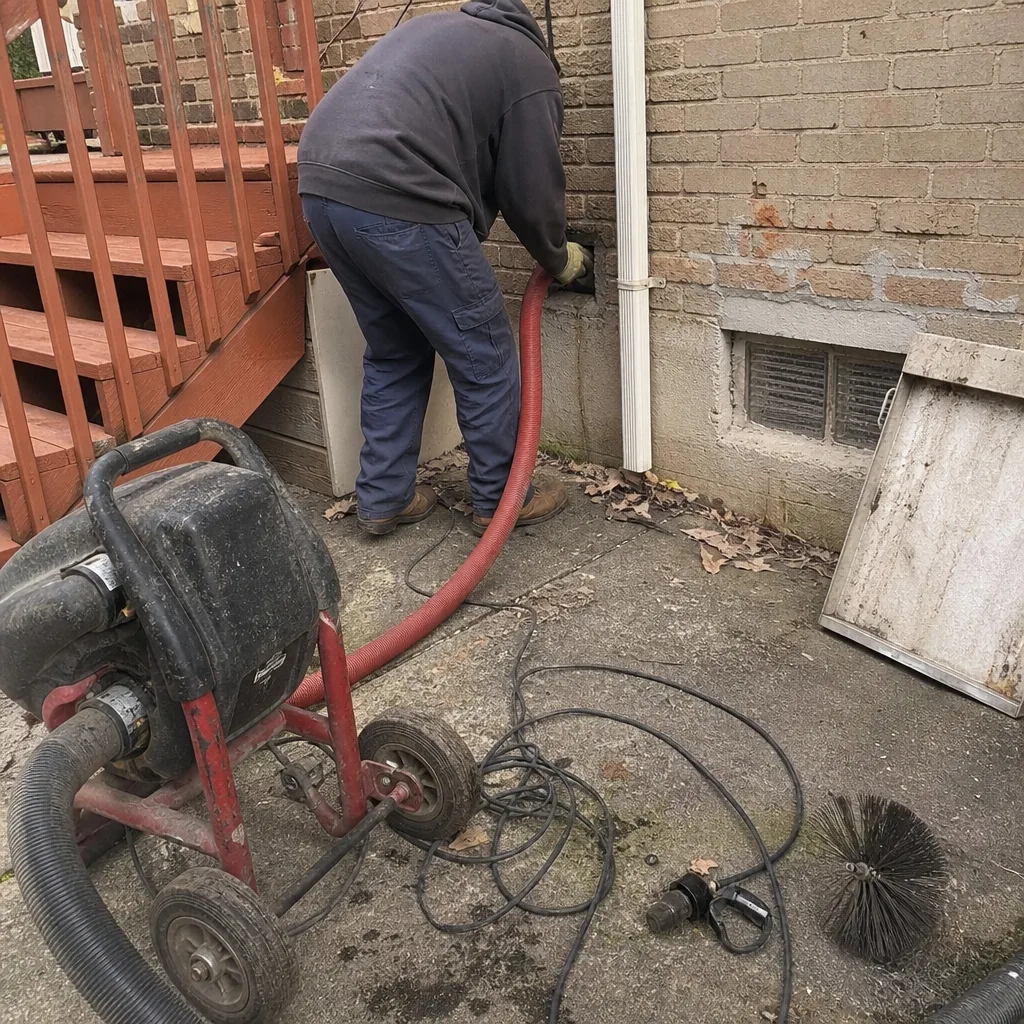 Before
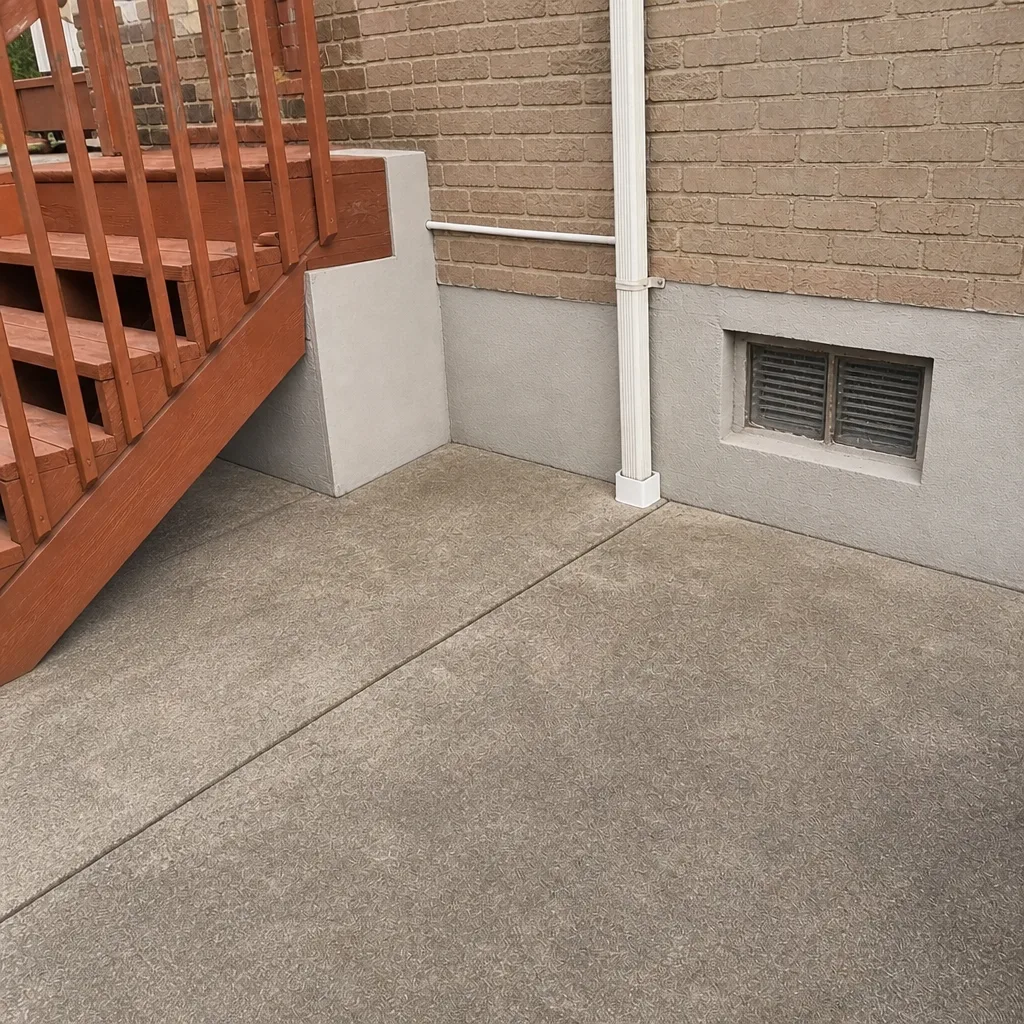 After
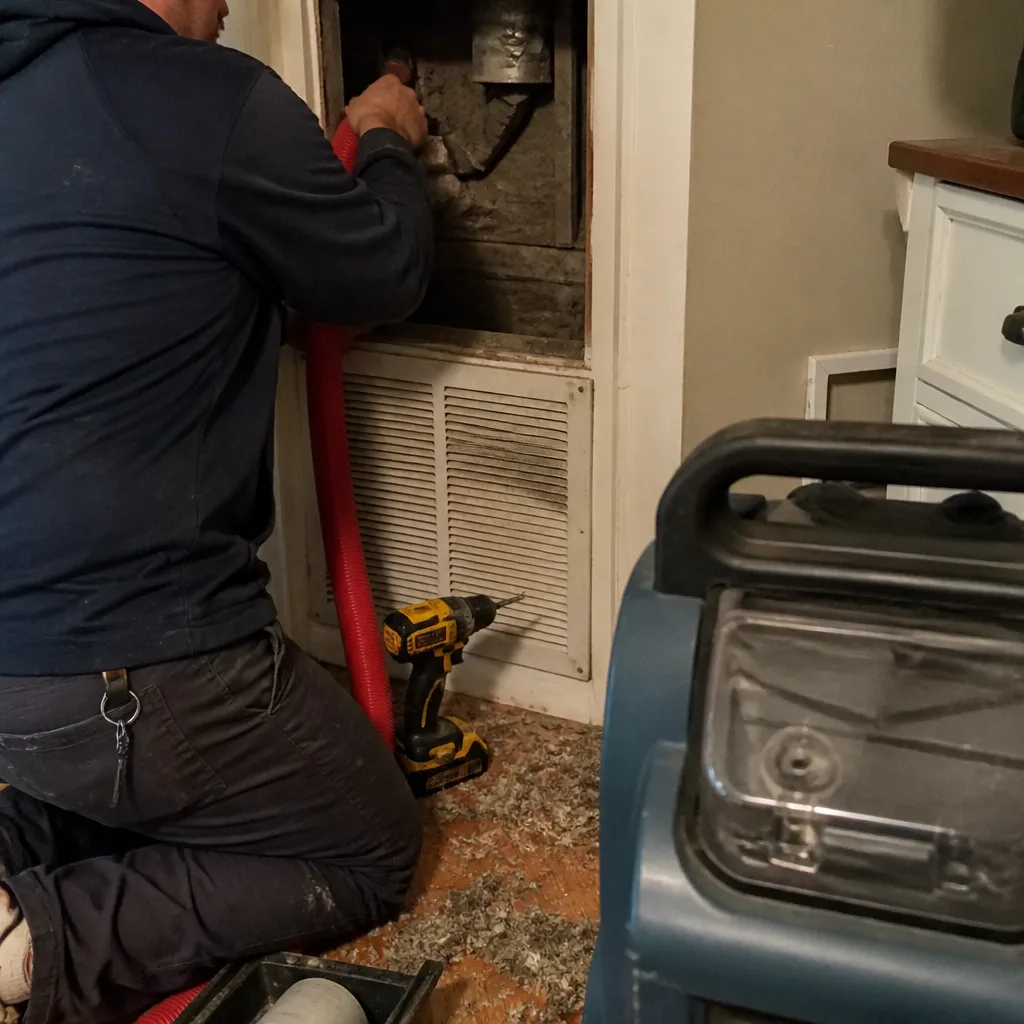 Before
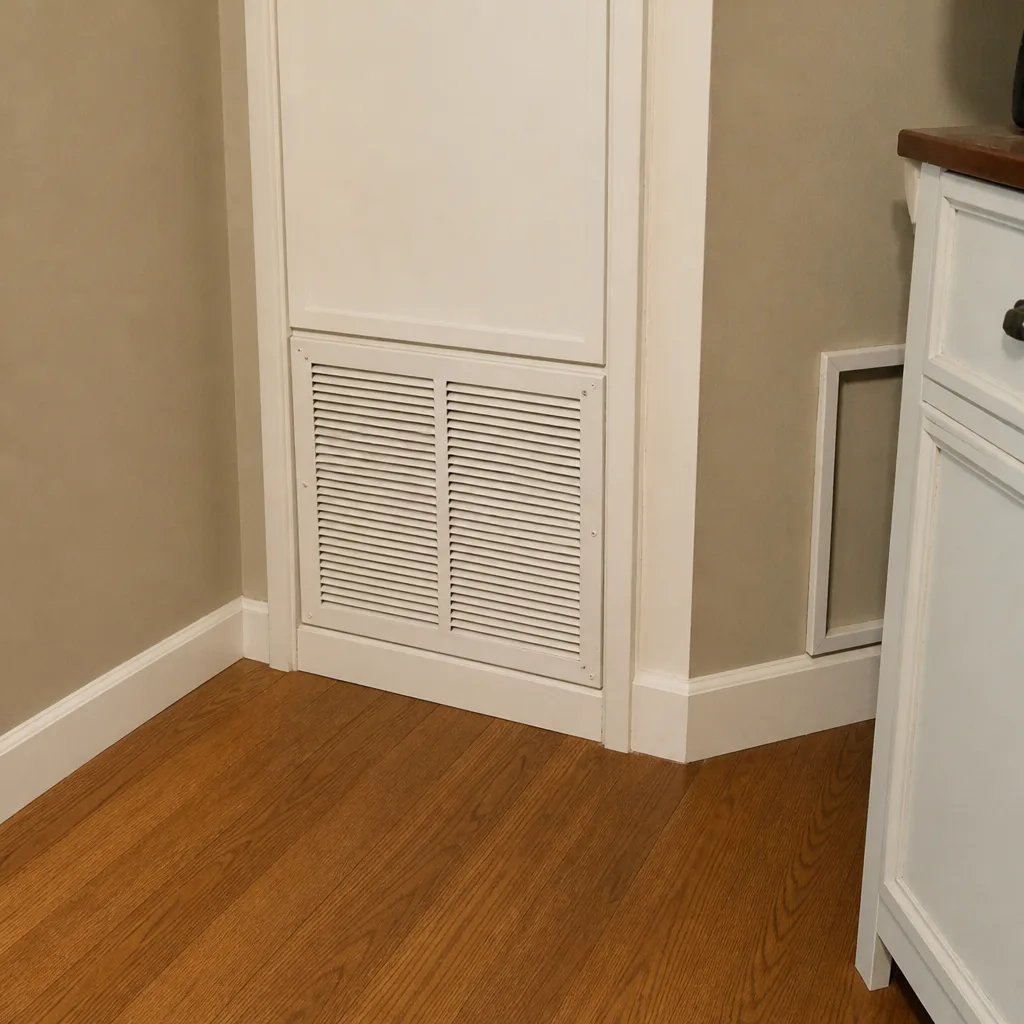 After
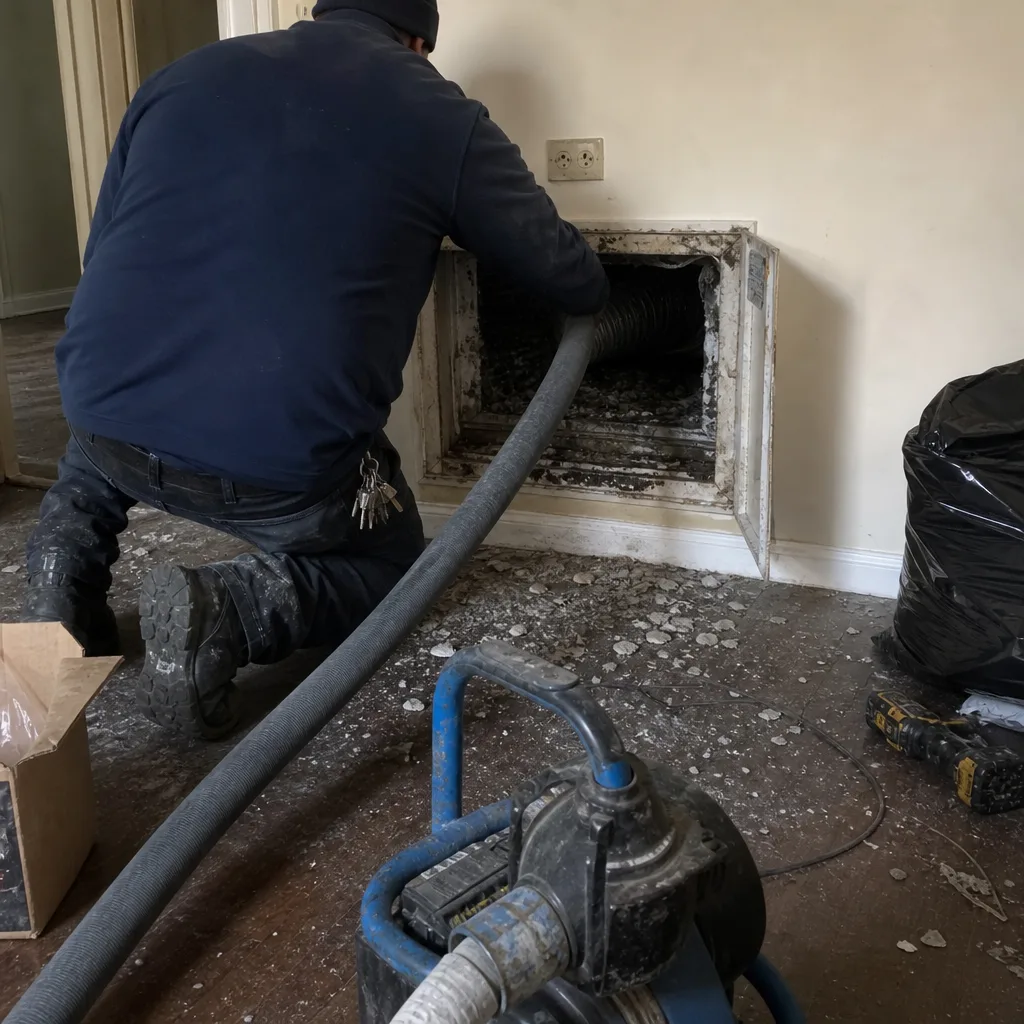 Before
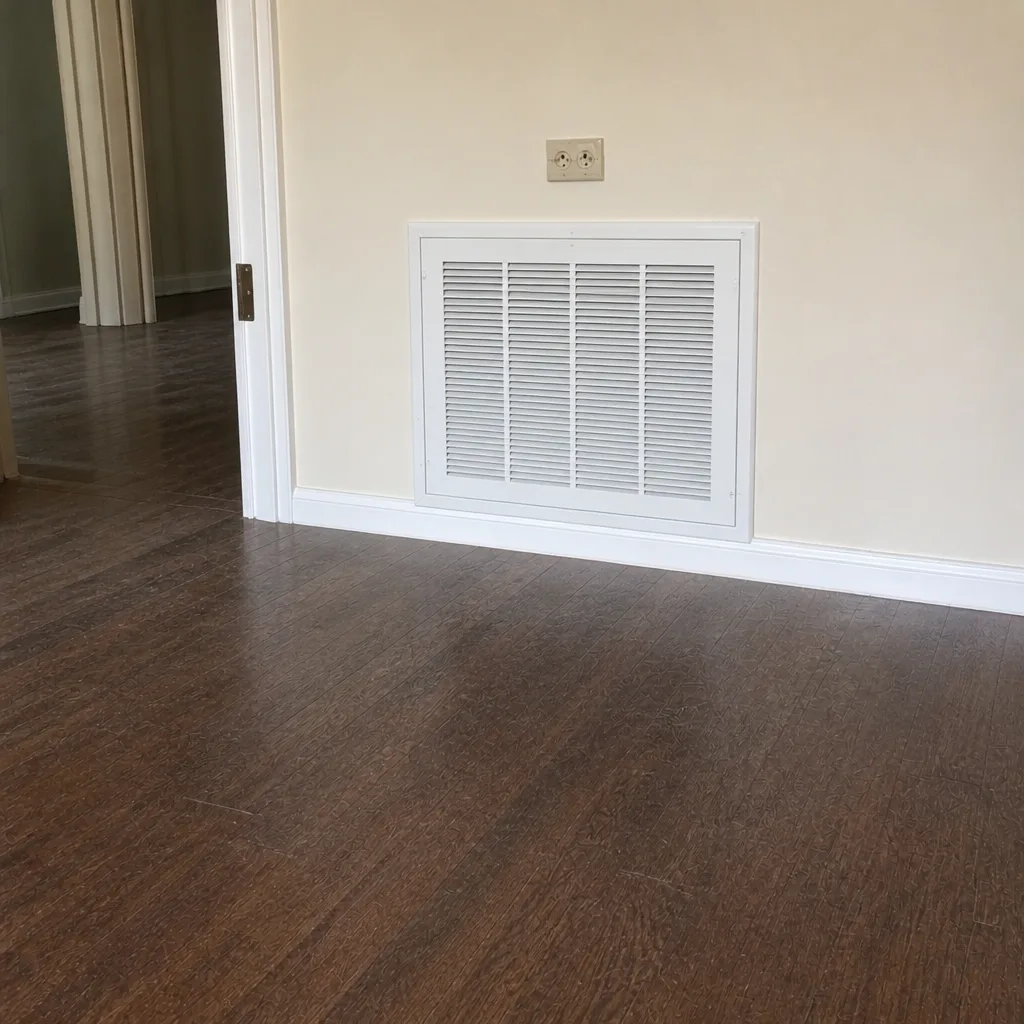 After
When to Call a Professional
Call us when the dust is winning: visible buildup on return grilles, a house that needs dusting more than it used to, or allergy symptoms that seem worse indoors. Call when you’re noticing reduced airflow to specific rooms, a musty smell when the HVAC runs, or a rise in energy bills with no change in usage. Call when you’ve bought a home in Tacony and have no service history for the ductwork, since the inspection alone will tell you a lot. Call for the dryer vent if a load takes more than one cycle to dry. Air Duct Cleaning Tacony offers free estimates in Tacony. Call (855) 337-1285. We answer 24/7. Fast dispatch from 7am to 7pm, Sunday through Friday.
Frequently Asked Questions
The price is quoted per system, not per vent, and the written estimate sets the final number. Every job starts with an inspection, because a system needing repair and sealing is a different job than a straightforward clean. Call (855) 337-1285 for a free estimate.
Cheap quotes are almost always per-vent pricing or a shop-vac setup that cleans the registers and skips the trunk, the returns, and the air handler. The low headline number is how the business model starts; the final invoice is where it ends. Ask what equipment a company uses and what the quote includes. Call (855) 337-1285 for an honest whole-system estimate.
Ask for before-and-after photos of your own system, and ask to see the inspection findings before the cleaning starts. A company that inspects with a camera can show you what they found and what came out. Call (855) 337-1285 to schedule an inspection-backed estimate.
Most homes don’t need cleaning on a fixed schedule. It depends on the system, the filtration, pets, recent renovation, and whether there’s been moisture in the ducts. An inspection tells you more than a calendar ever will. Call (855) 337-1285 to book one.
Often, yes. Original gravity-furnace chases reused as returns and joist-bay trunk runs mean access is harder than in a newer build, and the inspection usually turns up at least one connection worth sealing. Split-level homes in the area may have two trunk systems and need to be quoted that way.
No. Cleaning comes first, and sanitizing addresses established microbial growth after the mechanical clean. It’s a targeted service, not an automatic add-on. If your system has held moisture or shows visible growth on the coil, it’s worth the conversation.
The Bottom Line
Air duct cleaning in Tacony works when it’s a system job: inspection first, mechanical cleaning of every supply and return branch, an air handler and blower cleaned with the right tools, and repair and sealing so the system stays clean. The equipment matters, and so does the pricing structure. Per-vent quotes and shop-vac setups are how surface cleaning gets sold as the real thing. If you want a clean you can verify, from a crew that uses Rotobrush, Nikro, and Abatement Technologies equipment and finishes with Guardsman sanitizing and Honeywell or Aprilaire filtration, ask for the inspection and the written estimate. For the full service line, see Air Duct Cleaning Tacony and our air duct cleaning and HVAC cleaning pages. Call (855) 337-1285. We answer 24/7. Fast dispatch from 7am to 7pm, Sunday through Friday.
Written by the team at Air Duct Cleaning Tacony.