
Last updated November 25, 2026
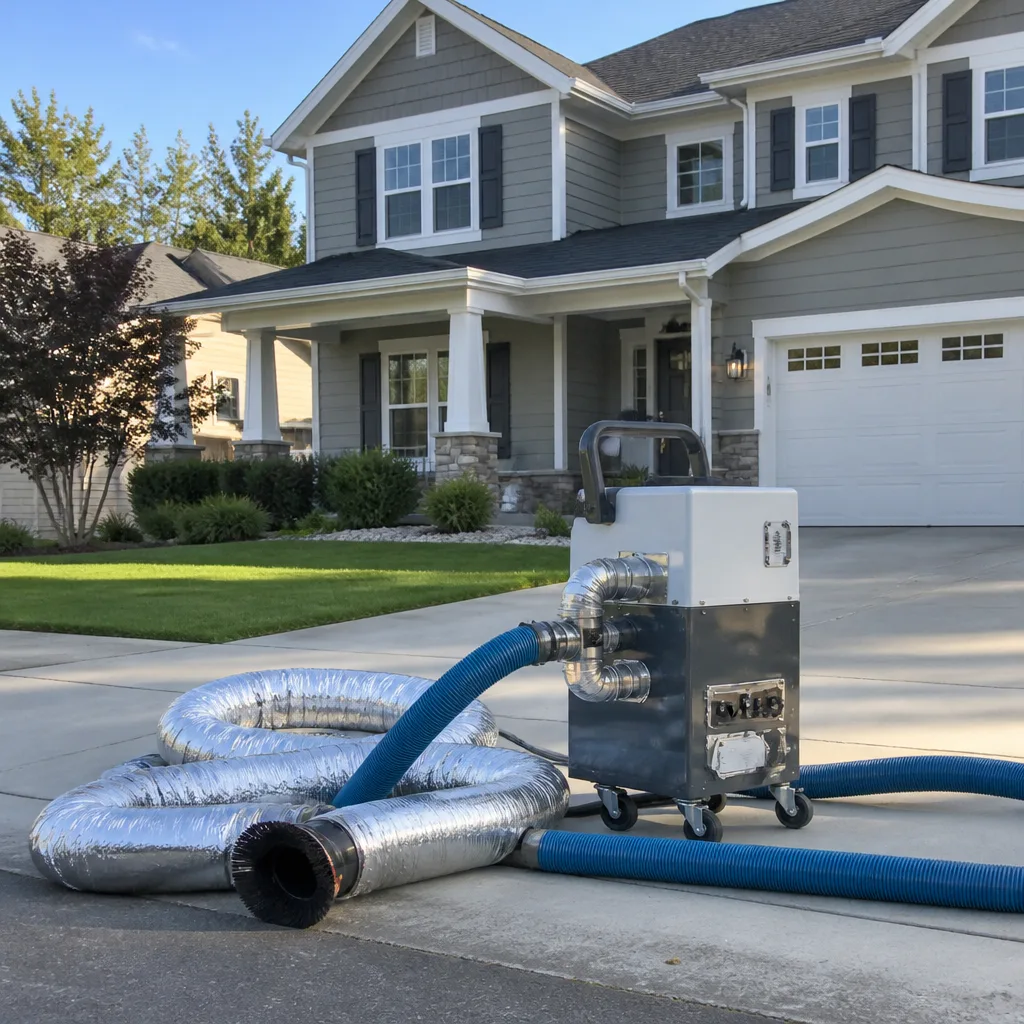 Whole-home duct cleaning
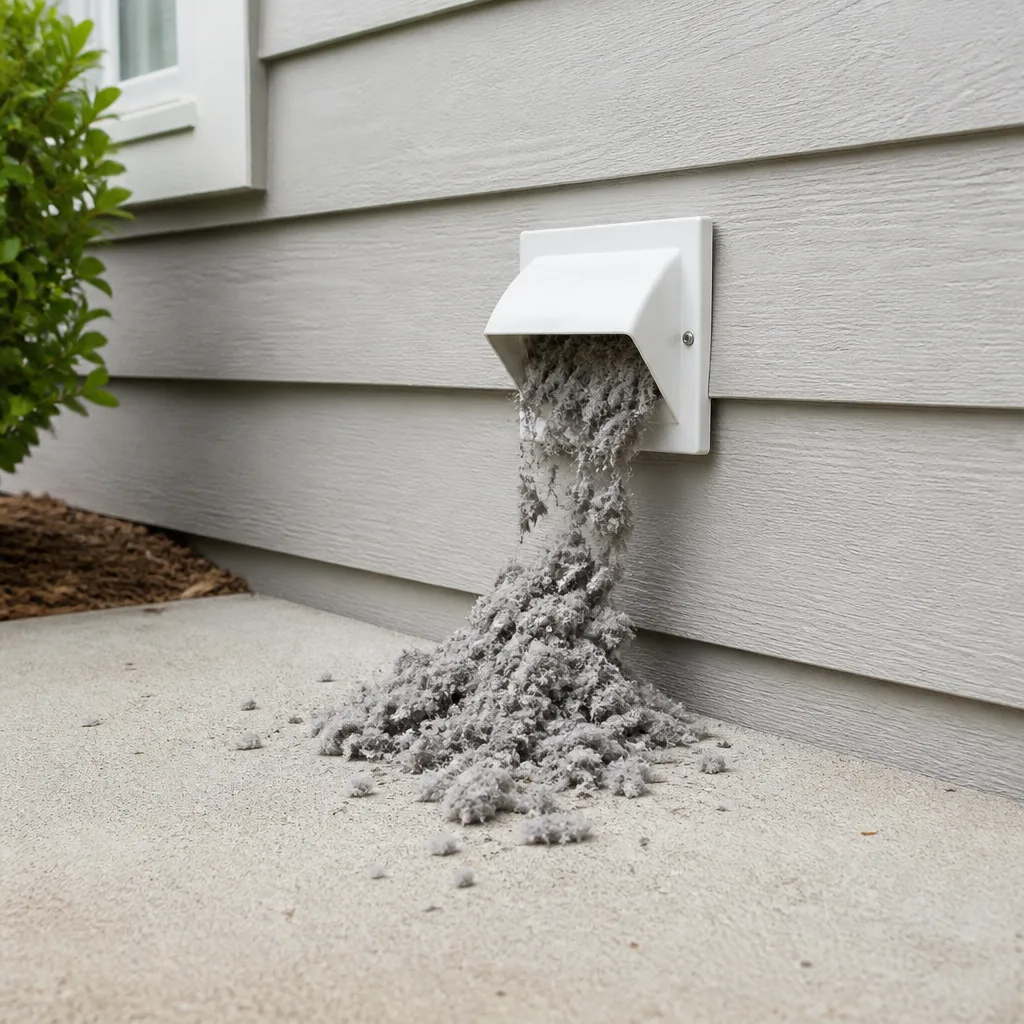 Dryer vent cleaning
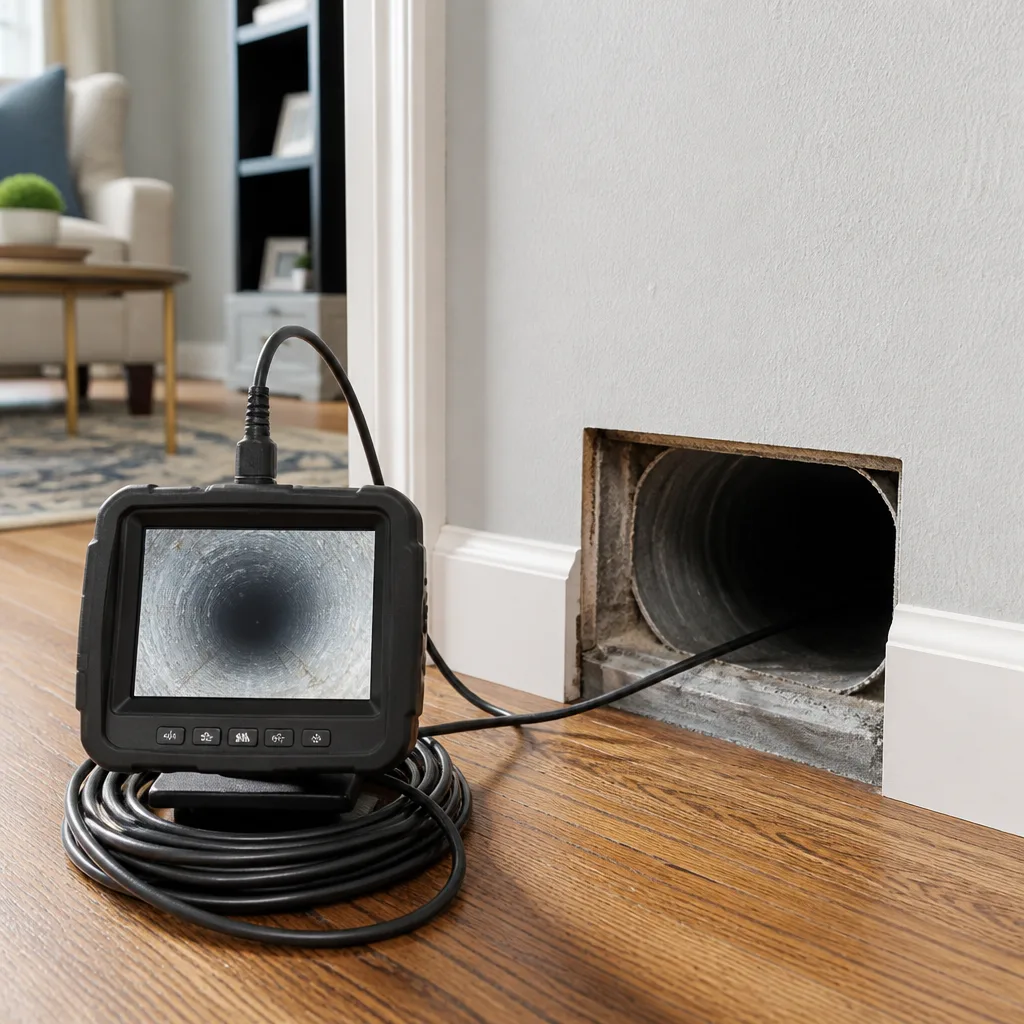 Camera inspection
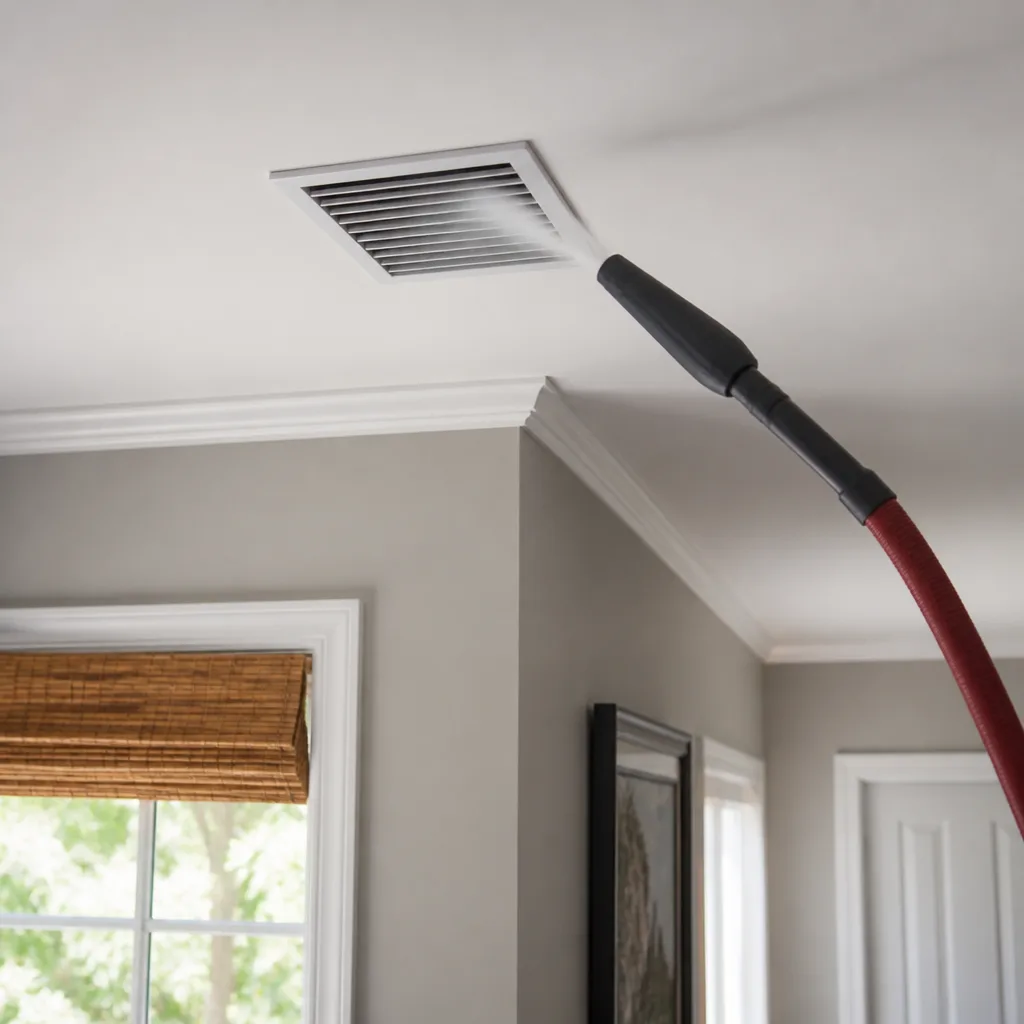 Sanitizing & deodorizing
Whole-system duct and dryer vent check with before-and-after photos - you see exactly what came out of your vents
That "$99 whole-house special" is a bait ad - the real number appears once they are in your hallway, or the "clean" is a shop-vac at the register. We photograph the inside of your ducts before and after instead.
How to Hire an Air Duct Cleaning Contractor in Tacony: A Step-by-Step Guide
Pennsylvania doesn’t require a license to clean air ducts, which means anyone with a van and a vacuum can legally show up at your door in Tacony and call themselves a professional. That single fact changes how you should hire. In trades like electrical or plumbing, a state license acts as a filter before you ever pick up the phone. Here, the filter is you. Most homeowners don’t know which questions separate a real duct cleaning company from a bait-and-switch operator until the technician is already inside and the price has quietly tripled. This guide walks through the screening process step by step: what to ask before booking, how to judge equipment from a description, which contract terms protect you, and how to read a post-service report so you can confirm the work was actually done.
Quick Answer
To hire an air duct cleaning contractor in Tacony, ask for proof of professional equipment (Rotobrush rotary brush and HEPA-rated vacuum systems, not a shop vac), request a written scope of work before the visit, confirm the price is fixed per system rather than per vent, and require a post-service report or photos. Pennsylvania doesn’t license this trade, so vetting is entirely on you. A legitimate contractor welcomes every one of those questions; an operator running a low-price bait-and-switch will dodge them.
Styles & brands we work with
- Whole-home duct cleaning
- Dryer vent cleaning
- Camera inspection
- Sanitizing & deodorizing
Table of Contents
- Why Pennsylvania’s Licensing Gap Changes How You Hire
- The Questions to Ask Before Booking (And the Answers That Disqualify)
- What NADCA Membership Actually Means
- How to Judge Equipment Before Anyone Arrives
- Contract Terms That Protect You
- How to Read the Post-Service Report
- Why the Dryer Vent Belongs in the Conversation
- Common Mistakes to Avoid
- When to Call a Professional
Why Pennsylvania’s Licensing Gap Changes How You Hire
Pennsylvania has no statewide license requirement for air duct cleaning. That isn’t a rumor passed around message boards; it’s the actual regulatory landscape. Where a plumber or electrician has to hold a license and carry a bond, an air duct cleaning operator can start taking jobs with nothing more than a business card and a phone number. The practical effect is a market with an extremely low barrier to entry, populated by everything from trained technicians running remediation-grade equipment to fly-by-night operators whose entire business model is a teaser price that balloons once they’re in your ductwork.
In Tacony, that gap matters because the housing stock is old. The neighborhood is full of rowhouses and twins built decades ago, many with original or partially updated ductwork, and older systems that haven’t been cleaned in years hold more debris than newer construction. When a system is genuinely dirty, a dishonest operator can point at the grime and argue that the cleaning “required” far more work than the quote covered. The homeowner, unfamiliar with the process, has little basis to push back. That’s the trap this guide is designed to close.
What fills the licensing gap, in practice, is documentation and equipment. A contractor who can describe their machinery, put a scope of work in writing, and hand you a report after the job is doing the vetting for you. A contractor who can’t or won’t is telling you something with their silence.
Our position on this is straightforward. Professional-grade equipment, not consumer shortcuts, is the baseline. If you’re comparing bids and one company can’t name the equipment they’ll use, that’s your answer. You can read more about how we approach it on our Air Duct Cleaning Tacony page.
The Questions to Ask Before Booking (And the Answers That Disqualify)
The screening conversation happens before anyone comes to your door, and it’s where most bad contractors reveal themselves. Ask these questions directly on the phone or by message. You’re looking for specific, confident answers, not smooth sales language.
- “What equipment will you use?” A qualified answer names a rotary brush system and a HEPA-rated vacuum. A disqualifying answer is vague (“professional equipment,” “the best machines”) or names a shop vac or a standard household vacuum. Consumer vacuums can’t dislodge compacted debris from duct walls, and they recirculate what they pick up.
- “Is your price per system or per vent?” Per-vent pricing is a red flag. It incentivizes cutting corners on smaller runs and lets the final bill climb with every vent counted. A fixed price per system, agreed before work starts, is what protects you.
- “What’s included in the quote, and what costs extra?” Sanitizing, sealing, and repairs should be spelled out separately. A quote that says “cleaning” and nothing more leaves the door open for add-ons mid-job.
- “Will I get a report or photos after the work?” A contractor who hesitates here has no way to prove the work happened, and neither will you.
- “Are you insured?” Ask for the certificate, not a verbal yes. Duct cleaning involves working inside your home and around your HVAC system; coverage matters if something’s damaged.
- “What’s your process, start to finish?” A credible answer describes inspection first, then mechanical cleaning, then containment, then a final look. If the answer is “we vacuum the vents,” keep calling.
Two or three vague answers in a row are enough to move on. The questions themselves filter out the worst operators, because the ones running the classic teaser-price model don’t have straight answers ready.
What NADCA Membership Actually Means
NADCA, the National Air Duct Cleaners Association, sets industry standards and offers certifications. Membership and certification are worth something, but they don’t guarantee a good job, and understanding the difference keeps you from treating a logo as a substitute for due diligence.
What NADCA membership generally signals:
- The company has chosen to align with a recognized industry body and its published standards for assessment, cleaning, and restoration of HVAC systems.
- There’s at least some commitment to training and to the accepted definition of what “source removal” cleaning involves.
- The contractor is likely aware of the industry’s own guidance on when cleaning is warranted and how it should be verified.
What it does not guarantee:
- That the specific technician arriving at your home is trained to the standard. Membership is a company-level credential.
- That the equipment on the job is professional grade. Membership doesn’t dictate which machines a company runs.
- That pricing is transparent or that the scope matches what you were quoted.
So use membership as one positive signal among several, not as a free pass. A non-member can still do excellent work with the right equipment and a documented process; a member can still cut corners. In a state without licensing, you verify the equipment and the paperwork yourself either way.
How to Judge Equipment Before Anyone Arrives
You don’t need to be a technician to evaluate what a contractor will bring. You need to know what the right tools do and why they matter, then listen for whether the company can explain that in plain terms. The equipment is the single clearest predictor of whether the work will actually clean anything.
Rotary brush systems. The industry benchmark for duct cleaning is the rotary brush, and Rotobrush is the name most often used to describe it. The brush spins inside the duct, physically agitating and dislodging compacted debris from the duct walls. A straight vacuum pulls at loose dust; it can’t free what’s caked onto the metal or flex duct over years. If a contractor can’t explain how they’ll agitate the debris before removing it, they don’t have the right tool.
HEPA-rated vacuums. A HEPA vacuum, like the Nikro systems used in this work, captures the fine particles that get stirred up during cleaning rather than exhausting them back into your home. Ask specifically whether the vacuum is HEPA-rated. Any answer other than a clear yes is a warning.
Containment filtration. Professional remediation work, including mold and restoration projects, uses air filtration units to capture contaminants in the air during the job. Abatement Technologies equipment is a common name in that space. On a duct cleaning job, this kind of filtration is what prevents a cleaning from sending a cloud of dust through the living room.
If you’re evaluating a photo or a written description, look for those three elements: a rotary brush, a HEPA-rated vacuum, and airborne containment. All three present means the contractor is set up for a real cleaning. Any one missing means you’re probably looking at a shortcut.
Contract Terms That Protect You
The quote and contract are where a cheap job becomes an expensive one. Treat the paperwork as the thing that binds the job together, not a formality to sign before the tech starts. A clean contract is short, in writing, and specific.
- Scope of work. It should name what’s being cleaned (all supply and return runs, or a specified subset), what’s inspected first, and how many systems are covered. If a home in Tacony has two separate HVAC systems, “the whole house” must say so.
- Flat price per system. One fixed number agreed before the work begins, not a per-vent rate. If the total can change once the tech is inside, it will.
- What’s included and what’s billed extra. Sanitizing treatments, sealing of leaks, and repairs should be itemized separately with their own prices, or clearly listed as optional add-ons you must approve.
- Approval clause for extras. Any additional work beyond the agreed scope should require your written or verbal approval at an agreed price before it starts. No surprise line items.
- Proof-of-work terms. A good contract commits to giving you photos or a report showing before-and-after condition of the system.
- Insurance and responsibility. If the company is insured, that should be stated, and you should have the certificate.
Read the whole thing before work starts, and ask about anything unclear. A contractor who gets impatient with that conversation is telling you how they’ll handle a dispute later. For a more detailed look at what a full system cleaning covers, see our page on air duct cleaning.
How to Read the Post-Service Report
The post-service report is your evidence. Without it, you’re relying on a technician’s word that the work was done. With it, you can verify. A legitimate cleaning produces a paper trail, and you should expect one as a matter of course, not as a favor.
A useful report or photo set should show:
- Before-and-after images of the same runs. Not a generic stock photo; the actual ductwork in your home, before cleaning and after. This is the clearest proof.
- A list of what was cleaned. Which supply runs, which returns, whether the air handler or coil was included, and whether the dryer vent was addressed.
- Inspection notes. Any leaks, disconnected runs, or damage found during the job, with recommendations. This is information you need for the system’s health, not upsell.
- Any sanitizing or sealing that was performed, named specifically, so you know what was applied and where.
- Sign-off. Confirmation that the job matched the agreed scope.
If you don’t get a report, ask for one before the technician leaves. It’s much harder to sort out what was done after the fact. The whole point of the documentation is that you should never have to wonder.
Why the Dryer Vent Belongs in the Conversation
Most duct cleaning companies treat dryer vent cleaning as an afterthought, if they offer it at all. It shouldn’t be. A clogged dryer vent is a fire hazard, and it’s the part of the system where the stakes are highest. When you’re screening a contractor, ask whether dryer vent clearing is a dedicated service and whether it’s included in the quote or priced separately.
A proper dryer vent cleaning involves disconnecting the vent, clearing the full run from the dryer to the exterior, and confirming airflow is restored. In Tacony’s older rowhouses, dryer vents often run longer and less directly than in newer construction, which makes a full clear more important, not less. If the company treats the dryer vent as a quick add-on rather than its own job, look elsewhere, or at least know you’re getting a lighter service. Learn more about how we handle it on our dryer vent cleaning page.
The same logic applies to HVAC cleaning. The air handler, coil, and blower are part of the system, and a cleaning that only touches the ducts leaves those components untouched. Ask whether HVAC cleaning is in scope. If it isn’t, you may be leaving a significant portion of the debris in place. Our HVAC cleaning page covers what that involves.
Common Mistakes to Avoid
- Hiring on price alone. A quote far below everything else usually means a per-vent model or a scope that stops short of a real clean. Ask what’s included before you’re impressed by the number.
- Skipping the equipment question. If you don’t ask what machines they’ll use, you may get a shop vac and a lot of noise. Ask about the rotary brush and HEPA vacuum specifically.
- Accepting a verbal quote. A price without a written scope is a price you can’t enforce. Get the system count, the scope, and the flat price in writing.
- Forgetting the dryer vent. A cleaning that leaves the dryer vent alone misses the highest-risk part of the system. Bring it up before booking.
- Not asking for proof of work. Photos and a report are how you confirm the job was done. Ask for them before the technician arrives, not after they’ve left.
- Assuming a logo means everything. A certification or membership is one signal, not a guarantee. Verify equipment and paperwork yourself.
- Ignoring older ductwork. In Tacony’s older homes, disconnected runs and leaks are common and often missed. Ask the contractor to flag any they find.
When to Call a Professional
Not every dusty vent needs a full cleaning, but some situations clearly do. Call a professional if you’re seeing visible dust blowing from supply registers right after a filter change, if anyone in the household has allergy symptoms that worsen indoors, if the system hasn’t been cleaned in many years and the home is older, if you notice musty or stale odors when the HVAC runs, if you’ve recently finished a renovation that generated heavy dust, or if the dryer is taking much longer to dry clothes than it used to. Those are signs worth having someone inspect, and an inspection tells you whether a cleaning is warranted.
Air Duct Cleaning Tacony offers free estimates in Tacony. We use professional-grade equipment, give one flat price per system agreed before work starts, and provide before-and-after photos of your own ducts. Call (855) 337-1285 to get started. We answer 24/7.
See the difference
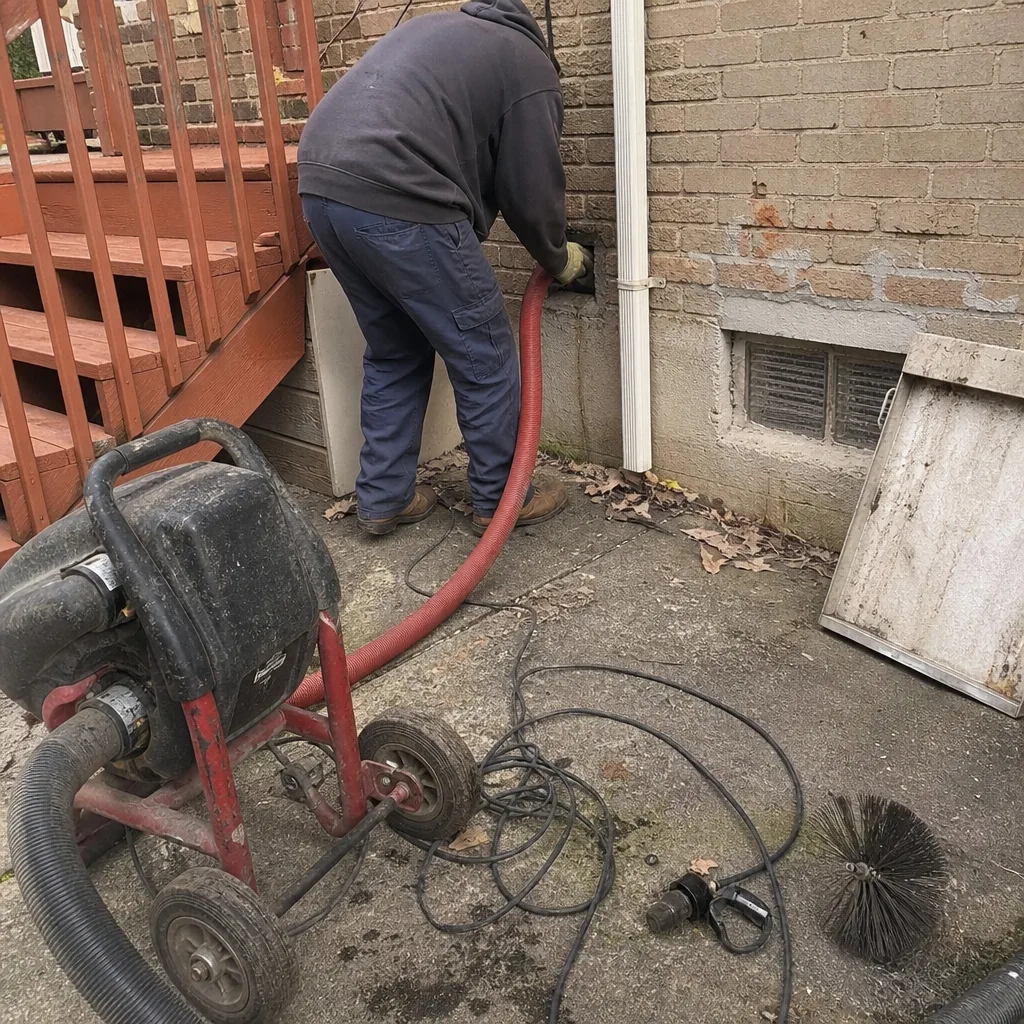 Before
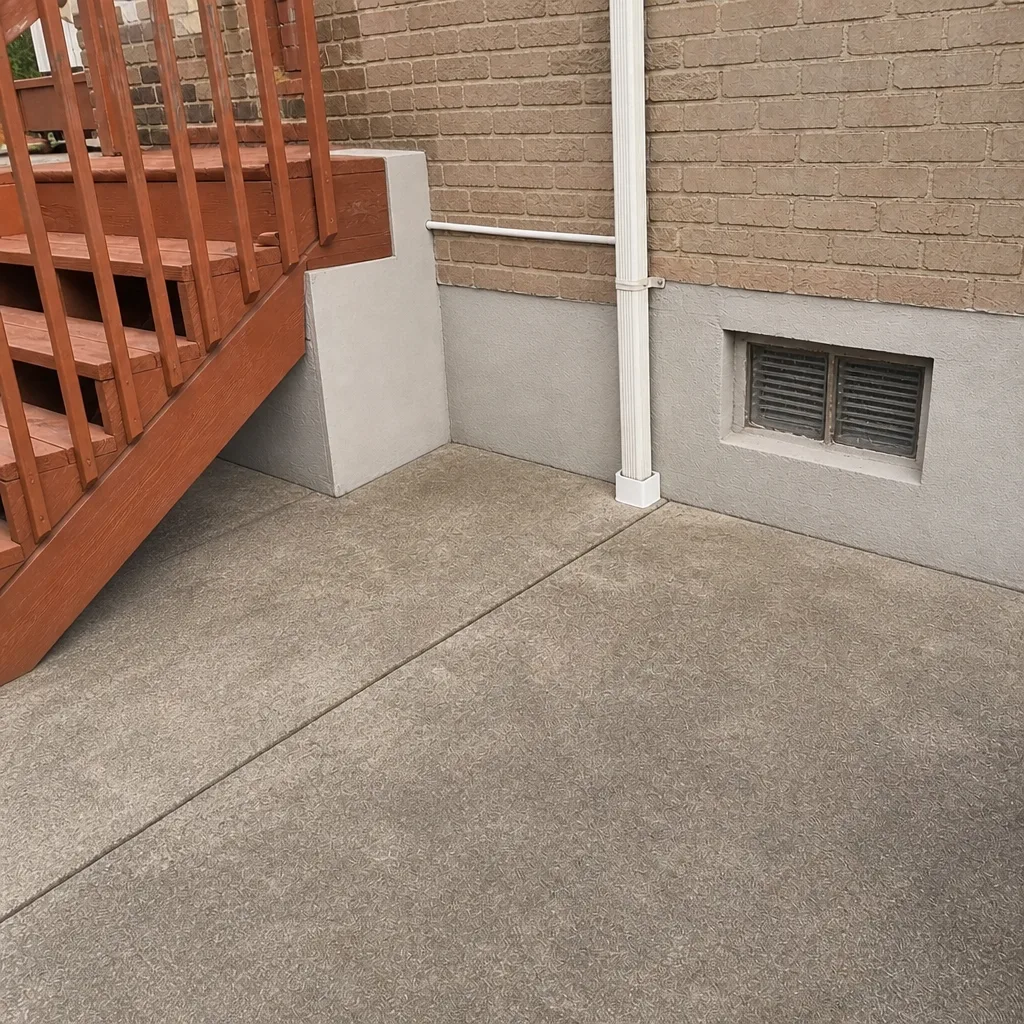 After
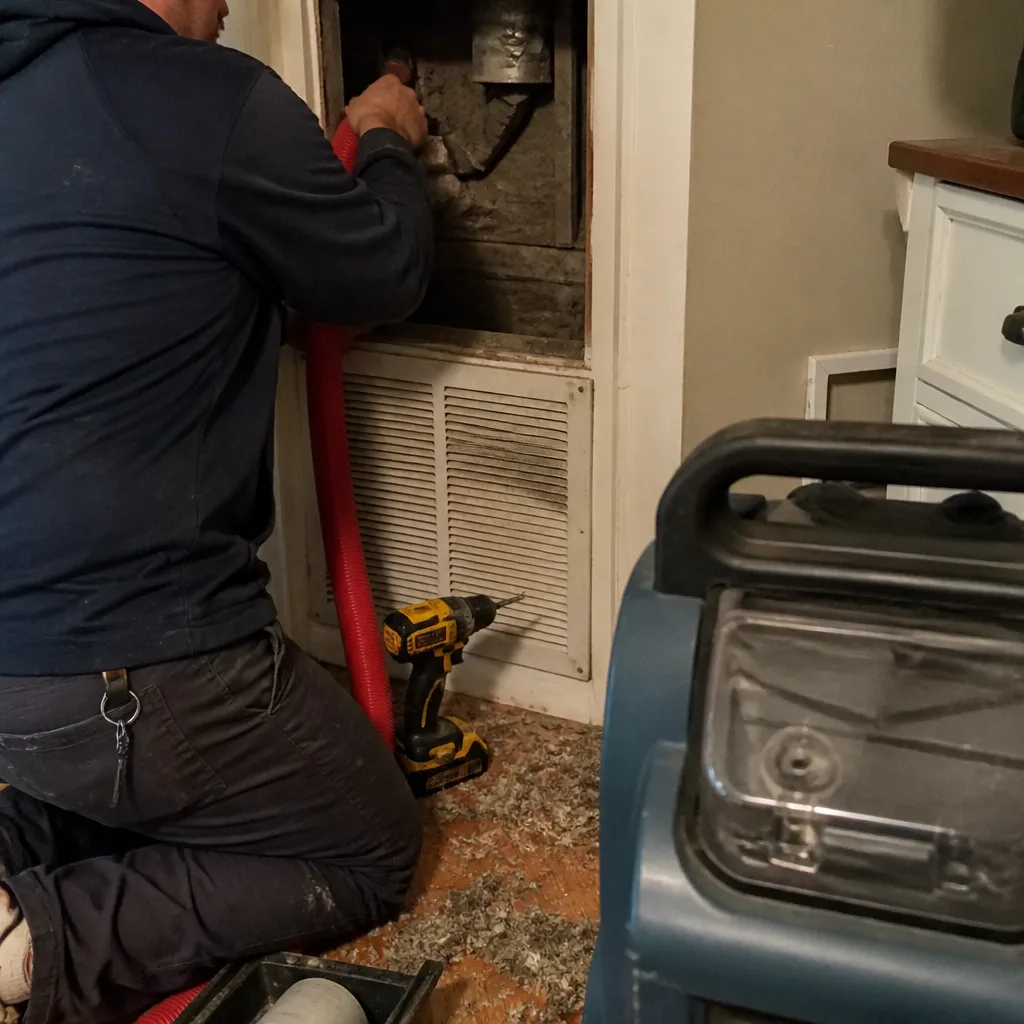 Before
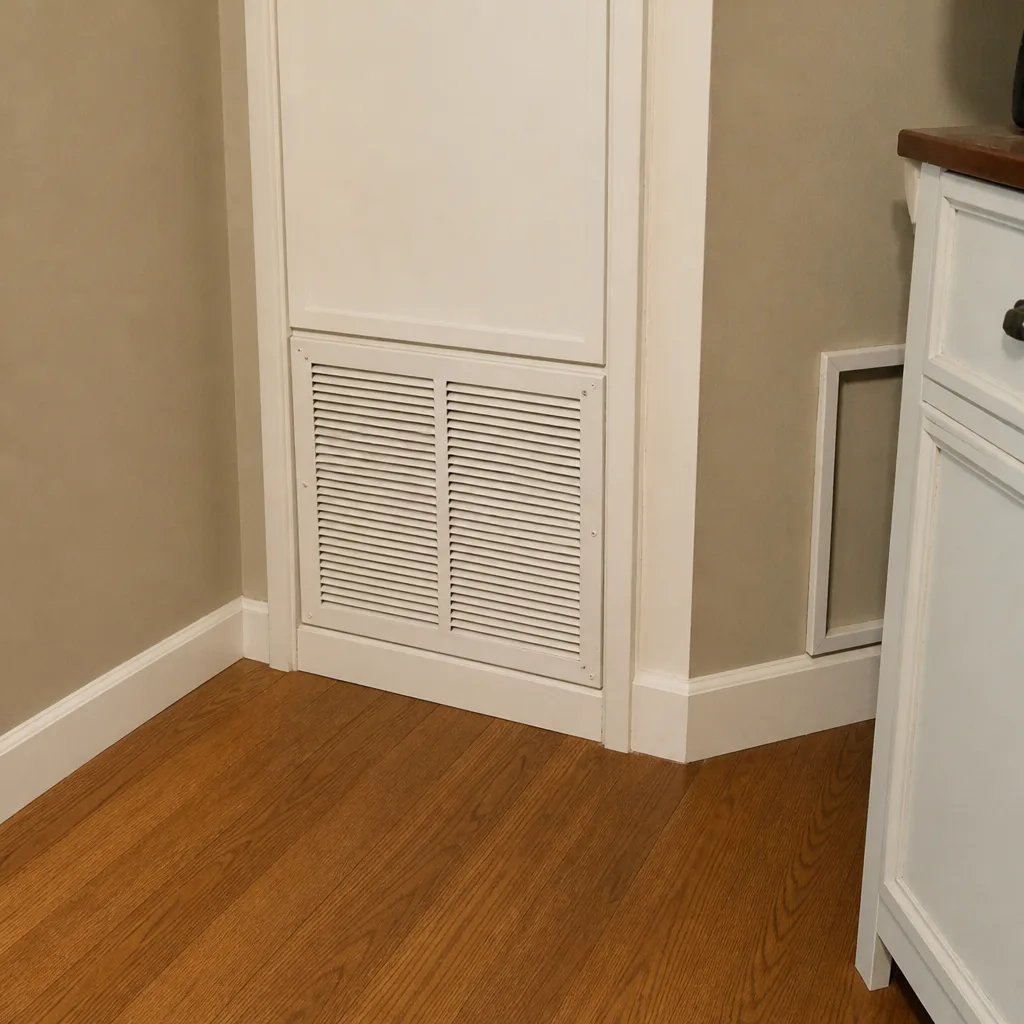 After
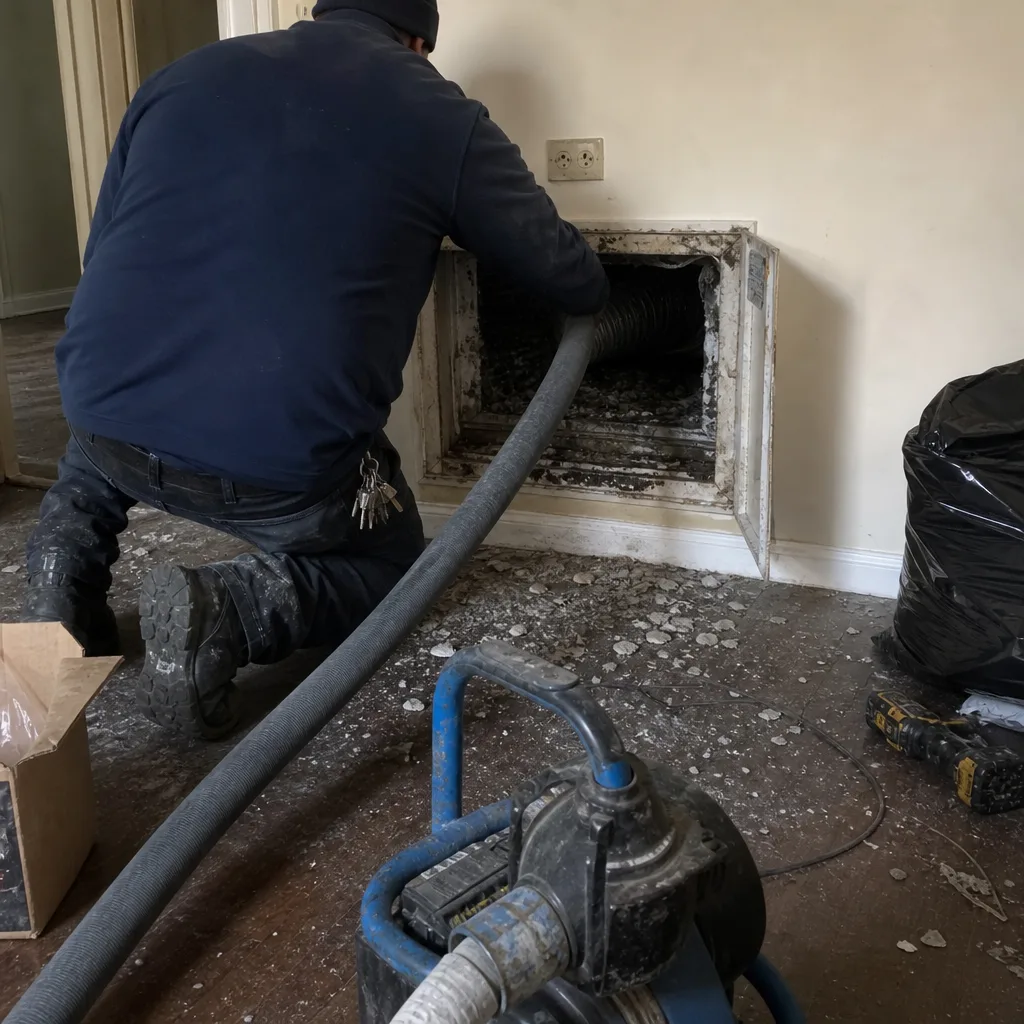 Before
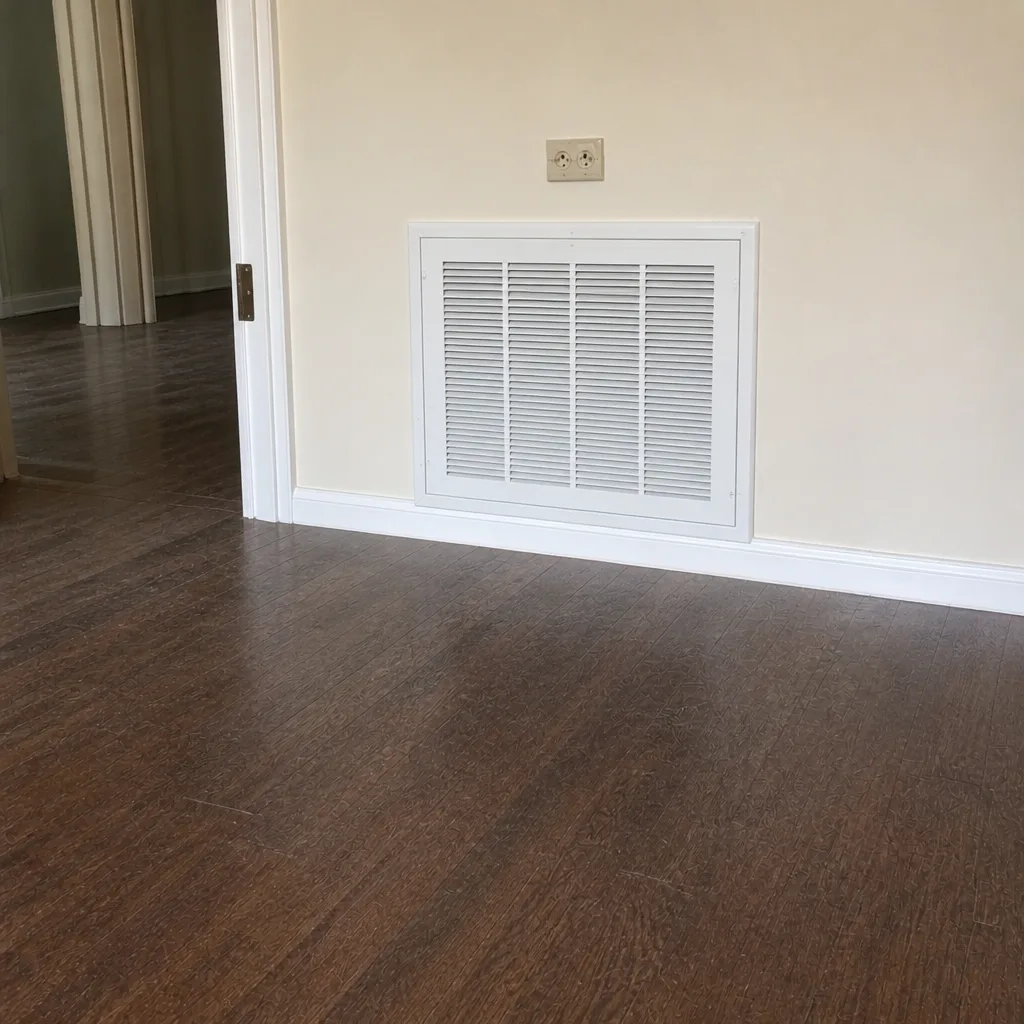 After
Frequently Asked Questions
No, because Pennsylvania doesn’t require a license for air duct cleaning. That means you should verify equipment, insurance, and a written scope yourself rather than relying on a state credential. Ask what machines they’ll use and get the price and scope in writing before booking.
We don’t quote teaser prices or per-vent rates, because the honest answer is that a whole-system cleaning is priced per system, not per vent, and the final number depends on the size and condition of your ductwork. The written estimate sets the price, and it’s free. Call (855) 337-1285 for an exact quote; estimates are free.
Cheap quotes usually come from per-vent pricing, minimal equipment, or a scope that stops well short of a real clean. When the price is far below the others, ask exactly what’s included and what equipment will be used. If the answers are vague, the cheap number is the start of a bigger bill, not the end of one.
Ask for before-and-after photos of your own ductwork and a written report listing what was cleaned. A real cleaning produces a paper trail. A contractor who hesitates at that request has given you your answer. Call (855) 337-1285 to talk through what a report from us includes; estimates are free.
There’s no fixed interval that fits every home. Factors like pets, allergies, recent renovations, and whether the system has ever been cleaned all move the timeline. In Tacony’s older housing stock, systems that have gone many years without service often hold significantly more debris. An inspection tells you whether it’s time, and it’s free to ask. Call (855) 337-1285.
Yes. Our five core services cover air duct cleaning, dryer vent cleaning, HVAC cleaning, duct repair and sealing, and air quality sanitizing, so one visit can address the whole system. You don’t need separate vendors for the ducts and the vent. Call (855) 337-1285 for a free estimate.
The Bottom Line
In a state without licensing, the homeowner is the gatekeeper. The good news is that the screening process is simple once you know what to ask. Verify professional equipment (a rotary brush like Rotobrush, a HEPA-rated vacuum like Nikro, and airborne containment), get a flat price per system in writing with the scope spelled out, and require a report or photos after the work. Treat NADCA membership and certifications as useful signals, not substitutes for those steps. And don’t let the dryer vent fall off the list. Air Duct Cleaning Tacony uses professional-grade equipment and gives you one flat price per system agreed before work starts, with before-and-after photos of your own ducts. Call (855) 337-1285 for a free estimate. We answer 24/7. Fast dispatch from 7am to 7pm, Sunday through Friday.
Written by the team at Air Duct Cleaning Tacony.