
Last updated November 25, 2026
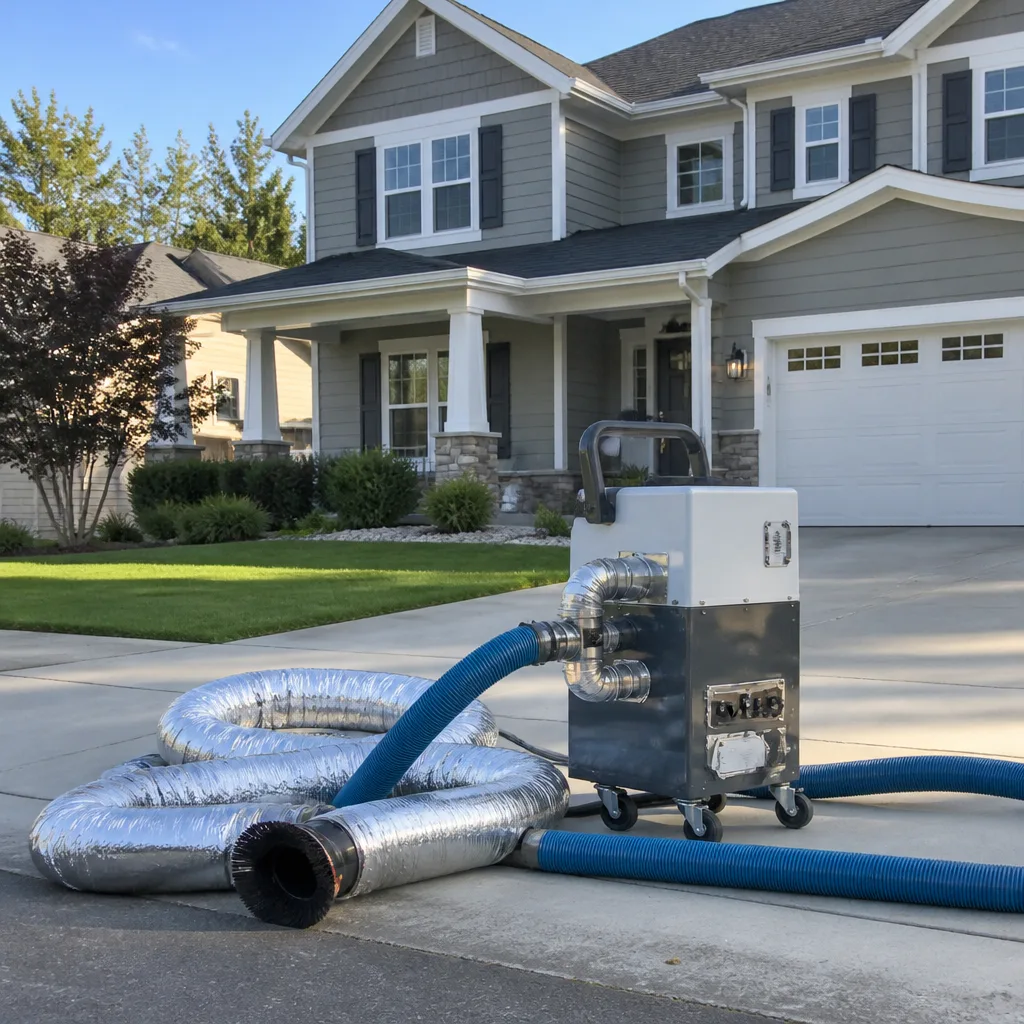 Whole-home duct cleaning
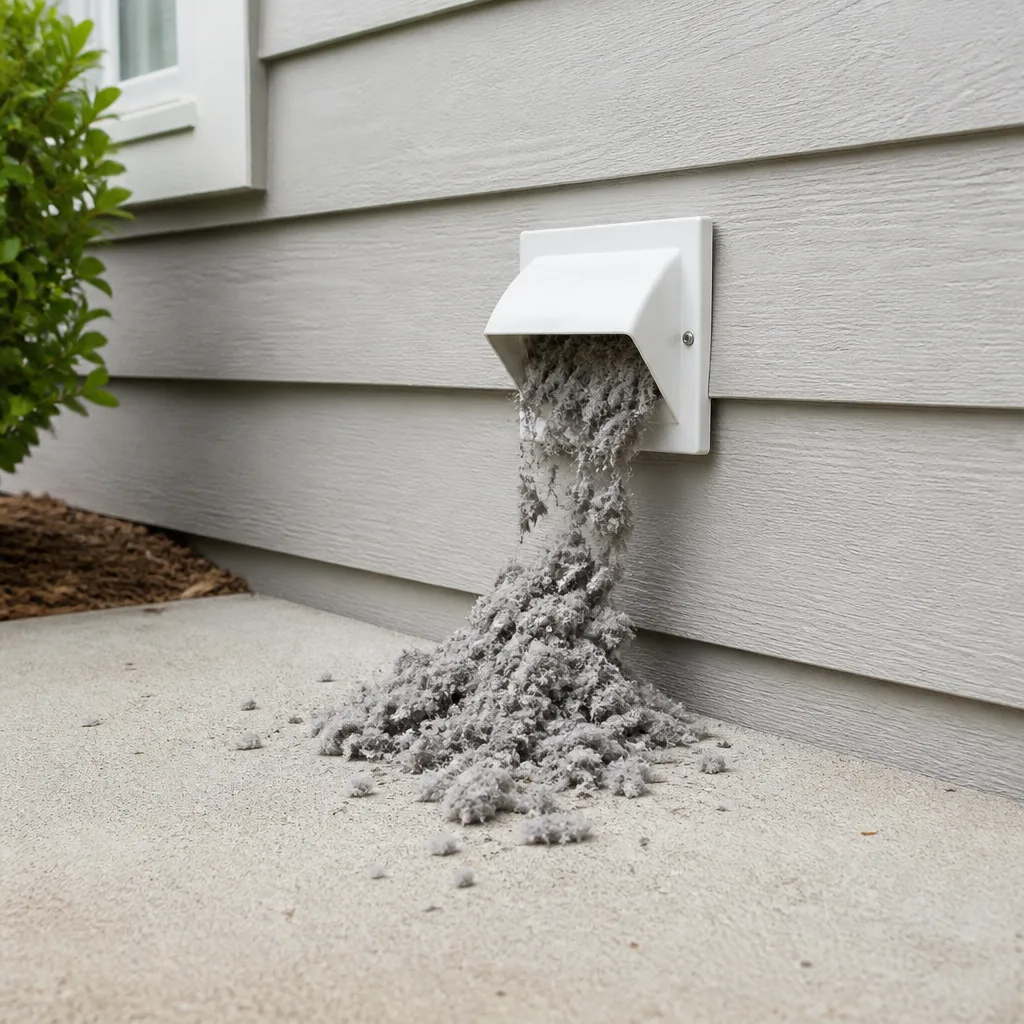 Dryer vent cleaning
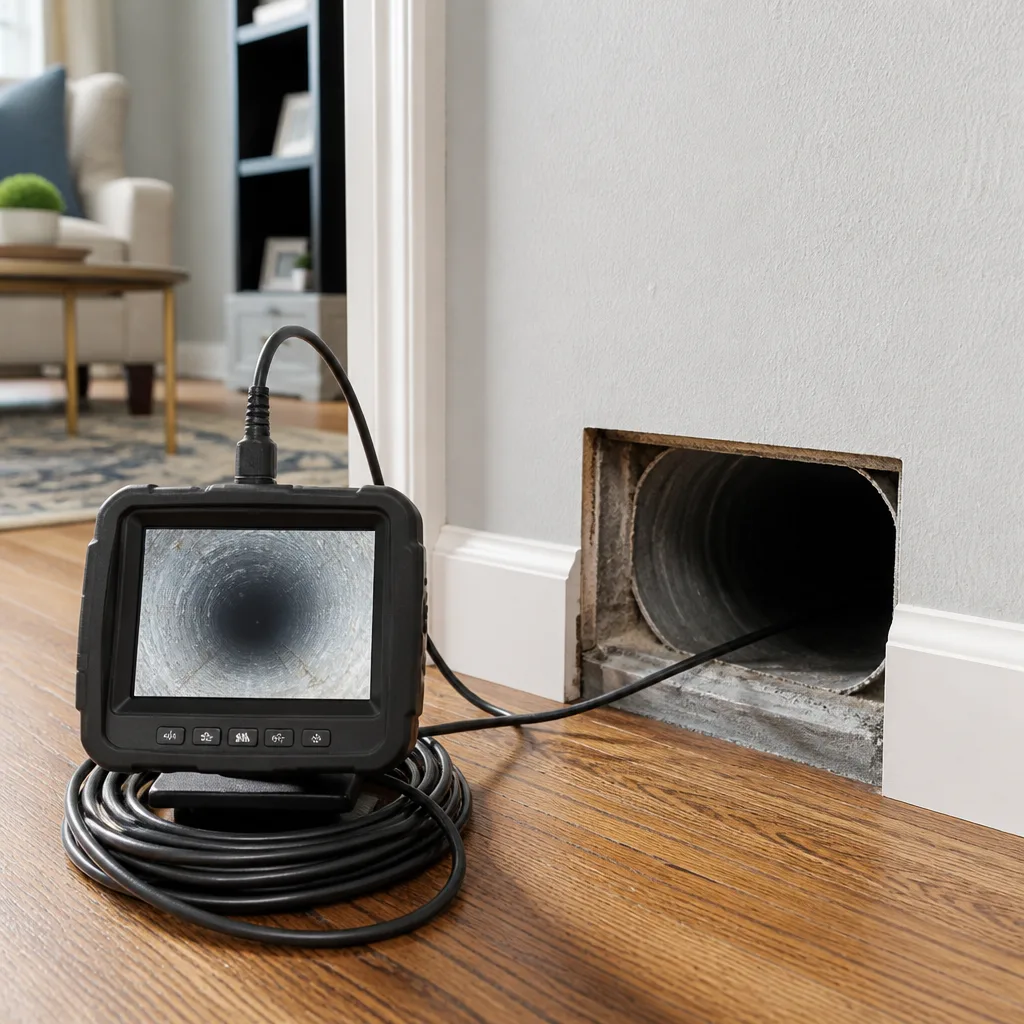 Camera inspection
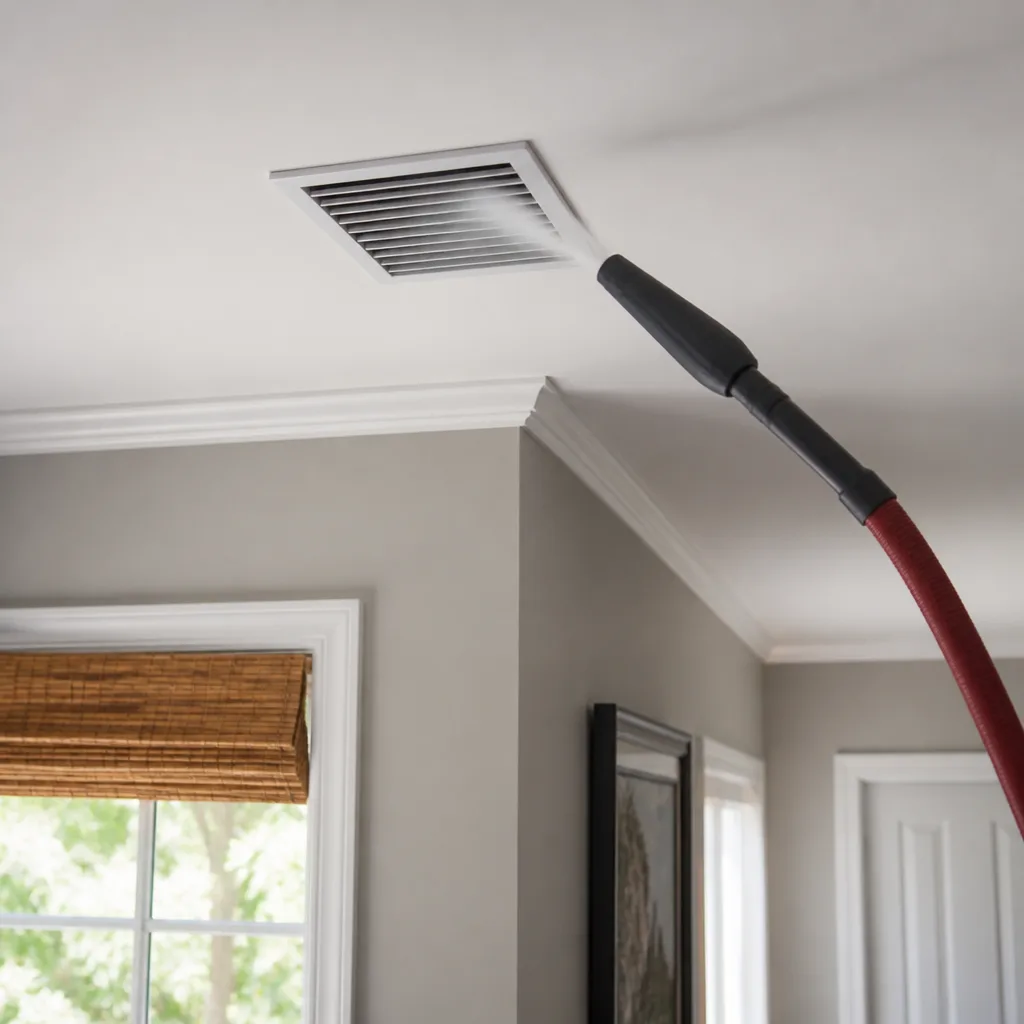 Sanitizing & deodorizing
Whole-system duct and dryer vent check with before-and-after photos - you see exactly what came out of your vents
That "$99 whole-house special" is a bait ad - the real number appears once they are in your hallway, or the "clean" is a shop-vac at the register. We photograph the inside of your ducts before and after instead.
Air Duct Cleaning Cost Breakdown: The Tacony Homeowner’s Reference for 2026
The $99 duct cleaning ad isn’t a deal. It’s a door opener. By the time the technician packs up, the invoice has a way of landing somewhere between $300 and $800, and a lot of that money goes toward work the house never needed in the first place. The gap between that coupon price and a real $400 to $600 professional service isn’t padding. It’s equipment, labor time, and scope, and once you can see what each line item actually pays for, a quote stops being a guessing game. This reference walks Tacony homeowners through 2026 pricing by home size and duct layout, what legitimately adds cost, what never should, how to compare two quotes that were scoped differently, and what skipping the work quietly costs you.
Quick Answer
Air duct cleaning in Tacony typically runs $300 to $800 for a full house, with most standard single-family homes settling between $400 and $600. The final number depends on square footage, how many vents the system serves, how hard the ductwork is to reach, and whether you add dryer vent clearing or sanitizing. A whole-system price agreed in writing before work starts is the number that matters, not a per-vent rate or a teaser figure from an ad.
Styles & brands we work with
- Whole-home duct cleaning
- Dryer vent cleaning
- Camera inspection
- Sanitizing & deodorizing
Table of Contents
- What does air duct cleaning cost in Tacony in 2026?
- What legitimately adds cost to a duct cleaning job?
- What should never be sold as an add-on?
- How do you compare two duct cleaning quotes accurately?
- Why does the equipment on the job change the price?
- What does dryer vent cleaning cost, and why is it separate?
- What does skipping duct cleaning actually cost you?
- What are the five services, and which ones does your home need?
What does air duct cleaning cost in Tacony in 2026?
For a typical Tacony rowhome or single-family house, air duct cleaning runs $300 to $800, and most jobs land between $400 and $600. That’s the whole-system range for a professional negative-pressure clean with the right equipment. The table below breaks it down by home size and duct configuration so you can find the row that matches your house.
| Home size and duct setup | Typical estimated range | What’s usually included |
|---|---|---|
| Small home, up to about 1,200 sq ft, single trunk line, 6 to 8 vents | $300 to $450 | Full supply and return cleaning, negative pressure, basic vent covers removed and reset |
| Mid-size Tacony rowhome, 1,200 to 2,000 sq ft, 8 to 12 vents | $400 to $600 | Same scope plus return-side cleaning and a walkthrough of what came out |
| Larger single-family, 2,000 to 3,000 sq ft, 12 to 18 vents, more than one zone | $550 to $800 | Larger system, longer labor time, multiple trunks and branch runs |
| Difficult access: finished basement ceilings, boxed-in runs, tight crawlspaces | Adds to the base range | Extra labor time to reach and seal each access point |
| Dryer vent clearing (add-on) | Quoted separately | Lint removal from the full run, from dryer to exterior termination |
| Sanitizing after mechanical cleaning (add-on) | Quoted separately | Guardsman-brand treatment applied after the ducts are physically clean |
Those ranges are estimates for the Philadelphia market in 2026, not a fixed price list. Two houses on the same block can differ by a hundred dollars or more if one has a finished basement with a dropped ceiling hiding the trunk line and the other has open joists. Older Tacony housing stock often has ductwork that’s been added to, rerouted, or spliced over the years, and that history shows up in labor time. The written estimate you get after someone actually looks at your system is the number that counts.
The one thing to watch for is a quote given over the phone without a look at the ductwork. A firm number for a house nobody has seen is either padded to cover the unknown or low enough to bait a switch once the technician is inside.
What legitimately adds cost to a duct cleaning job?
Four things justify a higher price: system size, vent count, access difficulty, and the add-on services you choose. Everything else is either included in a proper clean or isn’t needed. Here’s what each one means in practice, and how to tell whether you’re being charged for real work.
- System size. Square footage and the number of zones drive how much duct surface there is to clean. A two-story house with separate upstairs and downstairs trunks takes longer than a single-story with one run.
- Number of vents and returns. Every supply register and return grille has to be removed, cleaned, and reset, and every branch run has to be brushed and vacuumed. Twelve vents take more time than eight.
- Access difficulty. Ductwork boxed into a finished ceiling, run through a tight crawlspace, or hidden behind paneling takes longer to reach and seal. The technician has to create and close access points without damaging finishes.
- Add-on services. Dryer vent clearing and sanitizing are genuine extra work with their own labor and materials, and they’re priced separately because not every home needs both.
In our experience, access is the cost driver homeowners underestimate. A Tacony rowhome with an unfinished basement and exposed duct runs is a straightforward job. The same square footage with a finished basement, a dropped ceiling, and ductwork rerouted around a chimney is not. That difference is labor, and it’s fair to charge for it, as long as the estimate explains it before work starts.
See our guide to air duct cleaning for what the full process involves from inspection through final walkthrough.
What should never be sold as an add-on?
Basic negative-pressure cleaning is the job. It is not an upgrade you buy on top of a “base service.” If a company quotes you a low number and then charges extra for proper extraction or containment, that’s the bait-and-switch pattern this industry is known for, and it’s the reason so many homeowners dread the estimate.
Here’s what a legitimately scoped job includes in the base price, with no separate line item:
- Removing and cleaning every supply register and return grille.
- Brushing the interior duct walls to dislodge compacted debris.
- Running negative pressure with a HEPA-rated vacuum so extracted dust is captured, not blown back into the room.
- Sealing access points and putting the system back together.
- A walkthrough at the end with before-and-after photos of your own ducts.
Sanitizing is a real add-on, but only after mechanical cleaning is complete. Applying a Guardsman-brand treatment to ducts that haven’t been physically cleaned just seals dust in place. If someone offers sanitizing as the first step, or pushes it on a system that hasn’t been mechanically cleaned, that’s a sign to slow down. The same goes for sealing: duct repair and sealing is genuine work, but a company that quotes a cleaning and then insists your ducts need sealing before anyone has looked at them is selling from a script, not from your house.
One more thing worth naming: a low teaser price that grows into a big invoice once the technician is on site. A flat price per system, agreed before work starts, with no per-vent pricing, removes the entire category of surprise. That’s the standard to hold every quote to.
How do you compare two duct cleaning quotes accurately?
Two quotes that look different on price are often scoped differently, so the first step is to put them on the same footing. A $250 quote and a $550 quote can describe completely different work, and the cheaper one is rarely the better deal once you line up what’s actually included.
Ask every company the same five questions, and write the answers down:
- Does the price include all supply and return vents, or just supplies? Return-side cleaning is where a lot of skipped debris lives.
- What equipment comes into my house? A professional rotary brush system and a HEPA-rated vacuum, or a shop vacuum and a hose?
- Is negative pressure used the whole time? This is what keeps extracted dust out of your air during the job.
- Will I see before and after photos of my own ducts? Ask before booking, then confirm at the end.
- Is the price flat for the whole system, or per vent? Flat per-system pricing is the one that doesn’t move once work starts.
A company that answers all five clearly and puts the number in writing is worth a second look even if it isn’t the lowest quote. A company that dodges question two or quotes per vent is telling you something about how the invoice will grow. Our guide to HVAC cleaning explains why cleaning the whole system, not just the ducts, is the scope worth asking about.
If two quotes are close and the scope looks the same, check the equipment. Consumer-grade vacuums look similar to professional units in a photo but behave very differently in a house. The equipment list is often where the real difference in price hides.
Why does the equipment on the job change the price?
Equipment is the single biggest reason a professional clean costs more than a bargain one. A rotary brush system and a remediation-grade vacuum cost real money, take longer to set up, and do the work a consumer vacuum can’t. That’s where a big share of the labor time and overhead goes, and it’s what you’re paying for when the price looks higher.
We run Rotobrush rotary brush systems to dislodge compacted debris from duct walls, not just loose dust. We use Nikro HEPA-rated vacuum equipment during service so contaminants are contained rather than spread. And we bring Abatement Technologies air filtration units on every job, the same remediation-grade containment used in mold and restoration work, to capture airborne particles while the ducts are open.
That combination is what a proper clean means. A shop vacuum and a hose can pull dust from a vent opening, but it can’t brush the walls or contain what it stirs up. The debris ends up in your living room air, and the ducts are no cleaner than before. A low quote built on consumer equipment isn’t the same service at a better price. It’s a different service.
Whether you’re comparing quotes on our Air Duct Cleaning Tacony page or anywhere else, ask what equipment is on the truck before you book. Any honest company will tell you.
What does dryer vent cleaning cost, and why is it separate?
Dryer vent cleaning is priced separately from duct cleaning because it’s a different job with a different safety purpose. The dryer vent is a fire risk, and it’s treated as one. Lint builds up in the run between the dryer and the exterior termination, and that’s where most dryer fires start, so the full run has to be cleared, not just the section you can reach.
Most duct cleaners treat the dryer vent as an afterthought. It gets folded into a package or skipped entirely, and the homeowner is left assuming it was handled. We price it as its own service because it’s its own job, and it belongs in the same visit as the rest of the system. If you’re booking duct cleaning, ask whether the dryer vent can be cleared in the same appointment. One visit, one system, and the fire hazard handled at the same time, is a better outcome than two companies and two invoices.
The full process is covered in our dryer vent cleaning guide. For pricing, plan on a separate line item from the duct cleaning estimate, and don’t accept a quote that folds it in without explaining what the number covers.
What does skipping duct cleaning actually cost you?
Skipping duct cleaning has a real cost, and it shows up on your energy bill, your filter box, and eventually your HVAC repair invoice. The math isn’t dramatic, but it compounds. Treating it as a return-on-investment question, rather than a one-time expense, is the honest way to look at it.
Three costs tend to build up together:
- Energy efficiency loss. Debris on duct walls and clogged returns make the blower work harder to move the same air, and a system that has to work harder to heat or cool a home runs less efficiently.
- More frequent filter changes. Dusty ducts load your filters faster, so what should last a season gets replaced sooner. Over a few years, the filter cost adds up.
- Earlier HVAC wear. A blower motor and heat exchanger that fight restricted airflow tend to fail sooner. A repair or replacement is a much bigger number than a cleaning.
The honest return-on-investment framing is this: a $400 to $600 cleaning once every few years versus a shortened life on a five-figure HVAC system. The cleaning is cheap insurance against the bigger bill. It’s also the reason we install and recommend Honeywell and Aprilaire air quality products, so a one-time cleaning can become a longer-term air maintenance plan instead of a recurring emergency.
Every household is different, and no cleaning schedule fits every Tacony home. If you have pets, a family member with allergies, recent renovations, or a system that hasn’t been cleaned in many years, the return on a clean system is higher and sooner.
What are the five services, and which ones does your home need?
Five services cover a full indoor air system: air duct cleaning, dryer vent cleaning, HVAC cleaning, duct repair and sealing, and air quality sanitizing. Most homes need two or three of them on a first visit. Knowing which ones apply to your house is the fastest way to build a realistic budget before you call anyone.
- Duct cleaning. The core service. Every home with ducted heating or cooling can benefit from it, especially if it’s been years since the last clean.
- Dryer vent cleaning. Every home with a clothes dryer should have the full vent run cleared, regardless of how new the appliance is. It’s a fire-safety service.
- HVAC cleaning. Worth asking about if the air handler or coil hasn’t been cleaned alongside the ducts. Dust in the ducts and dust in the air handler are the same problem.
- Duct repair and sealing. Needed when there are visible gaps, disconnected runs, or leaks that waste conditioned air. Often found during a cleaning, not before it.
- Air quality sanitizing. An add-on after mechanical cleaning, using Guardsman-brand treatment for microbial control. Not a substitute for cleaning.
Because we handle all five, a Tacony homeowner can get the whole system addressed in one visit instead of coordinating two or three companies. That matters for cost too: one visit, one written estimate, and one set of access points opened and closed. A second vendor means a second setup, and setup is labor time you pay for twice.
Common Mistakes to Avoid
- Booking on price alone. The lowest quote is usually the one using consumer equipment and a per-vent charge. Ask what’s on the truck before you compare numbers.
- Accepting a per-vent price. Per-vent pricing invites the invoice to grow once the technician counts your registers. A flat per-system price agreed in writing is the one that holds.
- Letting the dryer vent get folded in without explanation. If a quote includes dryer vent cleaning, ask what the separate line covers. A fire-safety service shouldn’t be a mystery item.
- Paying for sanitizing before the ducts are clean. Guardsman-brand treatment goes on after mechanical cleaning. Applying it first seals dust in place instead of removing it.
- Skipping the walkthrough and photos. Before-and-after photos of your own ducts are how you know the work was done. No photos, no confirmation.
- Ignoring the return side. A quote that cleans only supplies is leaving debris in the returns, which feed straight back into the system. Confirm both sides are included.
- Cleaning on a rigid schedule instead of by condition. A home with pets and recent renovations may need it sooner than one down the street. Clean based on what the system shows, not the calendar alone.
See the difference
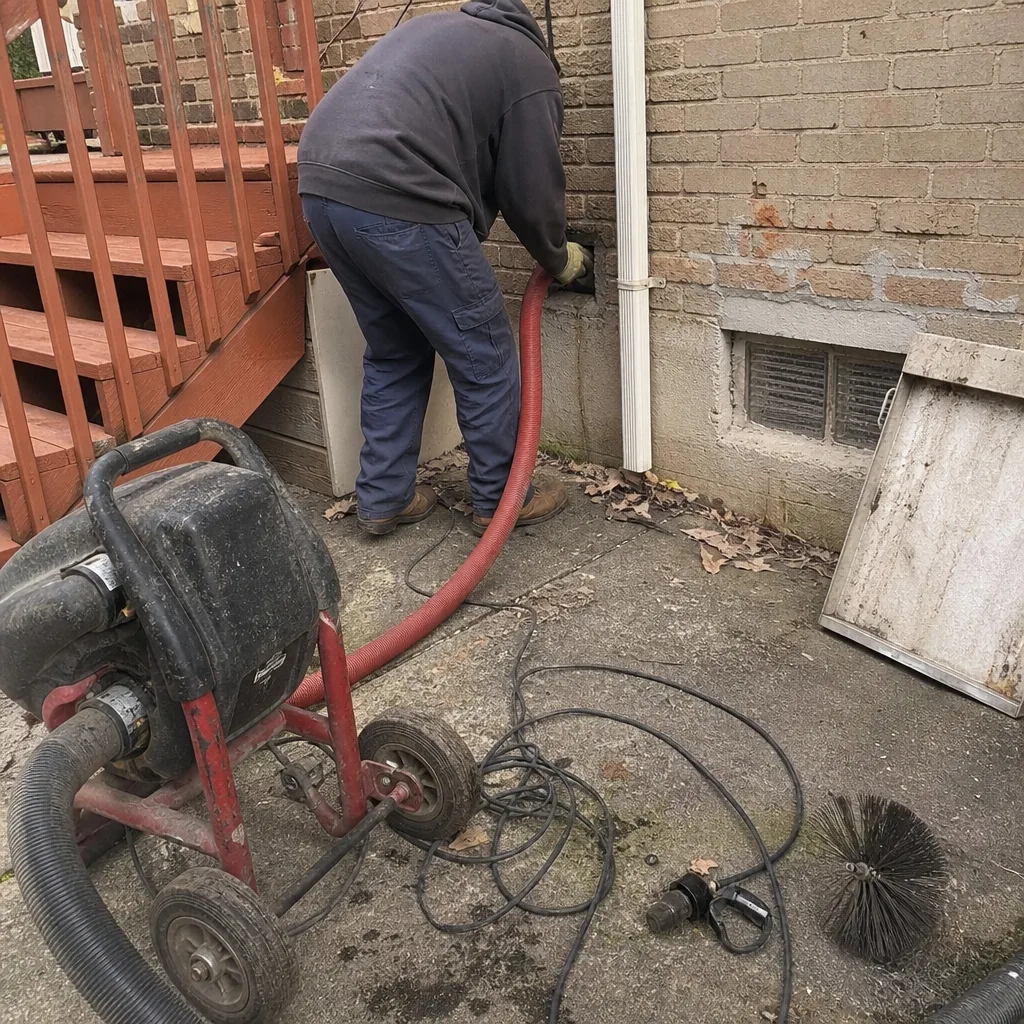 Before
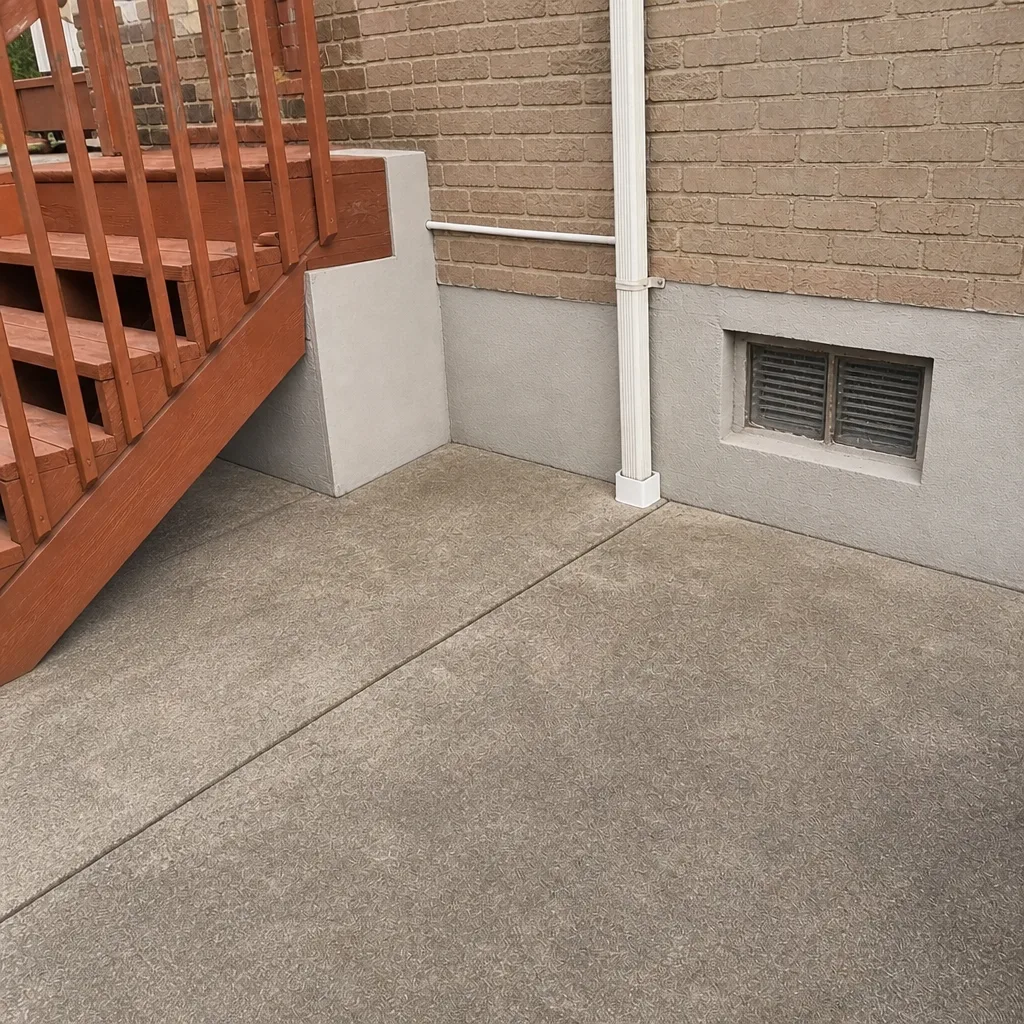 After
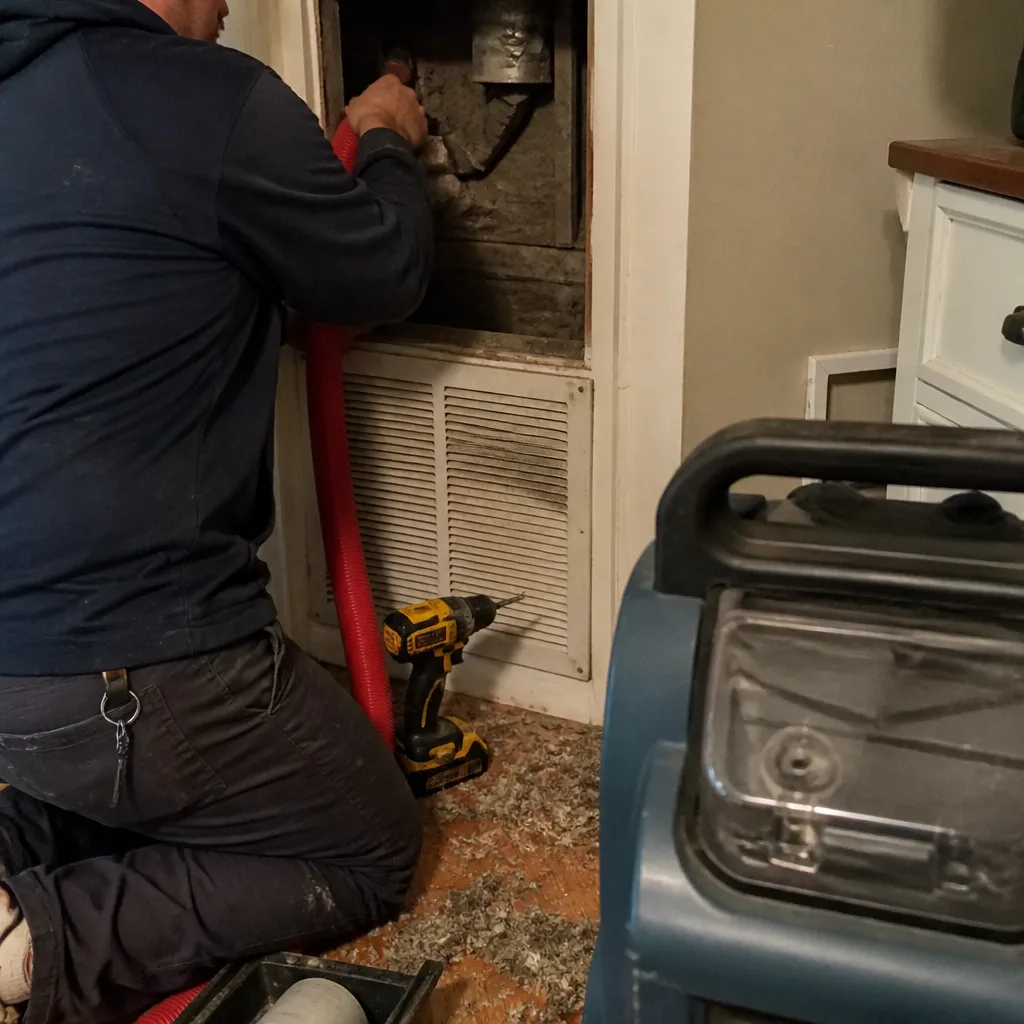 Before
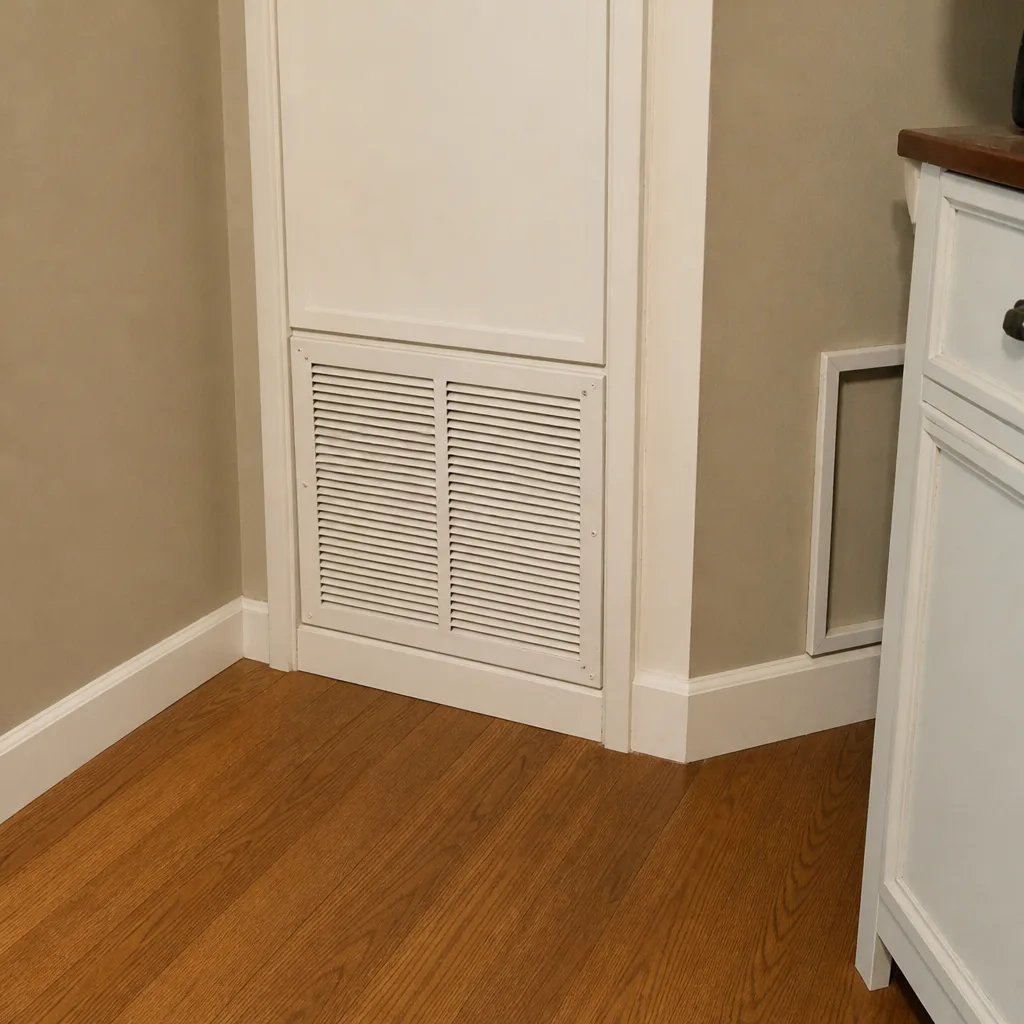 After
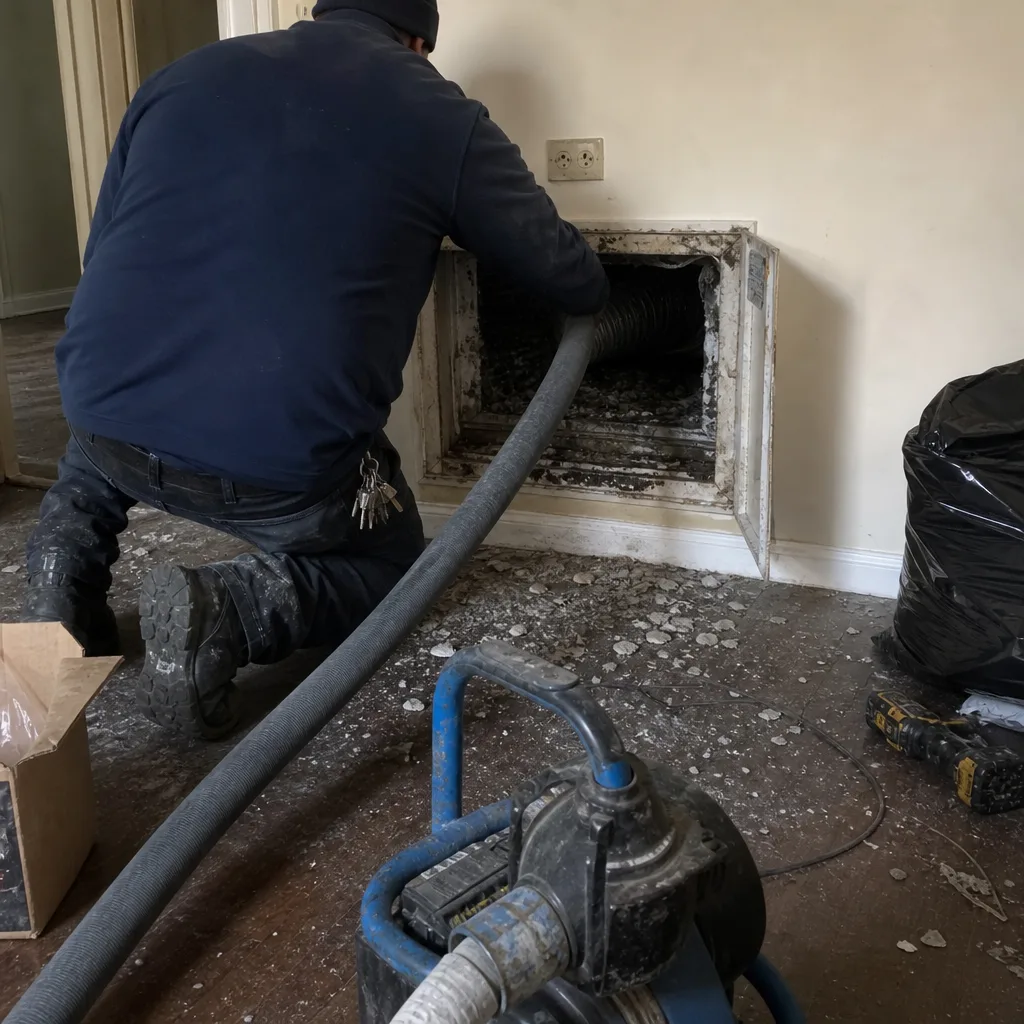 Before
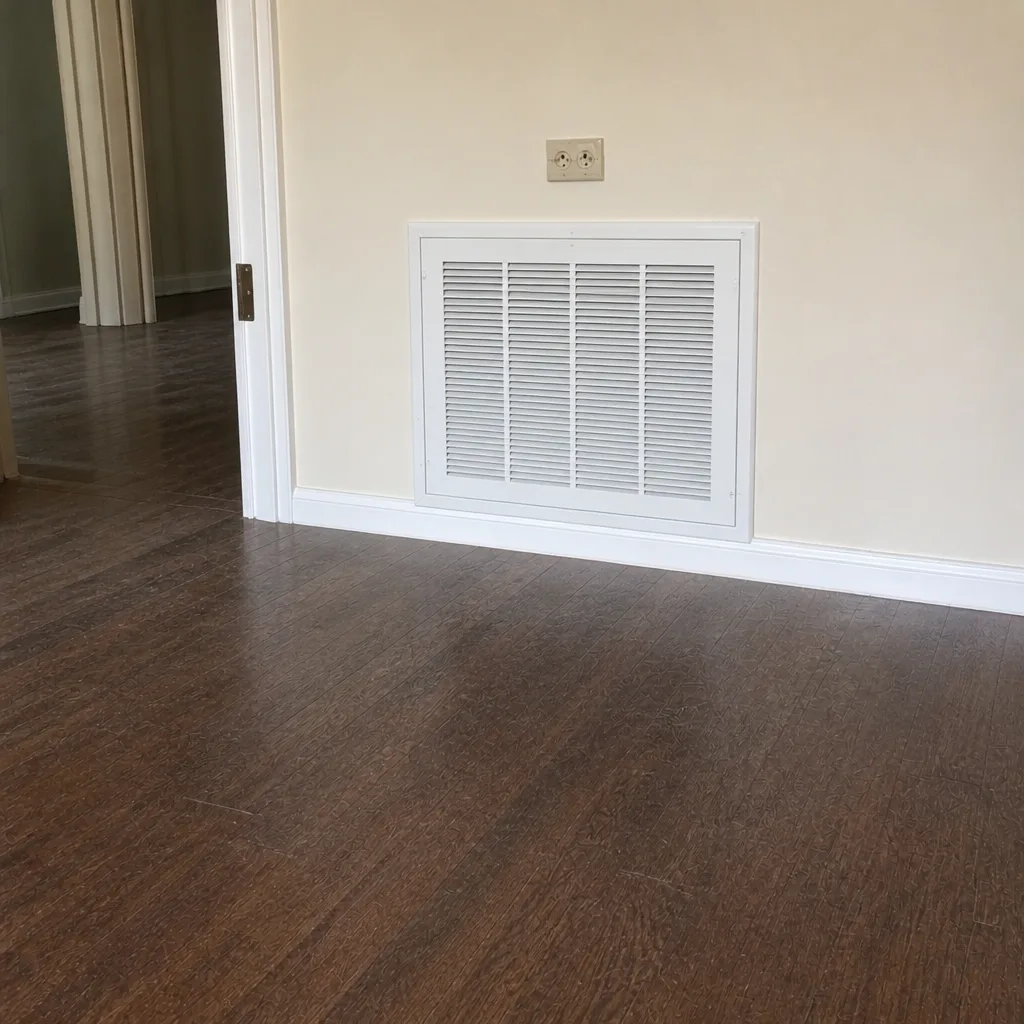 After
When to Call a Professional
Call a professional when you can’t verify the condition of your ductwork yourself, when the system has visible dust blowing from registers, when a family member’s allergies flare up indoors, or when it’s been years since the last cleaning. Call sooner if you’ve had recent renovations, a pest issue, or water damage that may have reached the ducts. When the topic involves the HVAC system itself, or ductwork that may be disconnected or leaking, a trained technician should be the one to look, not a homeowner on a ladder. Air Duct Cleaning Tacony offers free estimates in Tacony. Call (855) 337-1285. We answer 24/7. Fast dispatch from 7am to 7pm, Sunday through Friday. The estimate is free, and the written price sets the job.
Frequently Asked Questions
Air duct cleaning in Tacony typically runs $300 to $800, with most standard homes between $400 and $600. The range depends on square footage, vent count, access difficulty, and whether you add dryer vent clearing or sanitizing. Call (855) 337-1285 for an exact quote. Estimates are free.
Cheap quotes are usually built on consumer-grade vacuums and a per-vent price that grows once work starts. They skip the rotary brush, the HEPA containment, and often the return side, so they’re a different service, not the same one at a lower price. Ask what equipment is on the truck and whether the price is flat per system. Call (855) 337-1285 to compare a real scope.
Ask for before-and-after photos of your own ducts, and take the walkthrough at the end of the job. A technician who opens the system, cleans it, and shows you what came out is confirming the work. If a company won’t show photos, that’s the answer to your question. Call (855) 337-1285 to book a job with a walkthrough included. Estimates are free.
There’s no single schedule that fits every home. Homes with pets, allergy sufferers, recent renovations, or a long gap since the last cleaning usually need it sooner than others. Condition matters more than the calendar. Call (855) 337-1285 for a free estimate and an honest read on your system.
No. Dryer vent cleaning is a separate service with a separate line on the estimate. It’s a fire-safety job, so the full run from dryer to exterior termination is cleared on its own. Ask to have it done in the same visit if you’re already booking duct cleaning. Call (855) 337-1285 to schedule both. Estimates are free.
Yes, sanitizing is an add-on, and it’s only applied after the ducts have been mechanically cleaned. It uses a Guardsman-brand treatment for microbial control. Not every home needs it; a home with recent water damage or a musty smell is a better candidate. Call (855) 337-1285 to talk through whether it fits your situation. Estimates are free.
The Bottom Line
A duct cleaning price is only meaningful next to the scope it covers. The $99 ad and the $400 to $600 professional service aren’t the same product. One is a door opener, the other is a whole-system job with a rotary brush, HEPA containment, and a walkthrough at the end. Compare quotes on equipment, return-side cleaning, flat per-system pricing, and before-and-after photos, and the real number becomes clear. Dryer vent cleaning and sanitizing are legitimate add-ons with their own jobs to do. Skipping the work costs more than doing it, in filters, energy, and HVAC wear. Decide on scope first, price second.
If you’re ready to get a written estimate for your Tacony home, call Air Duct Cleaning Tacony at (855) 337-1285. We answer 24/7. Fast dispatch from 7am to 7pm, Sunday through Friday. One flat price per system, agreed before work starts, with before-and-after photos of your own ducts when the job is done.
Written by the team at Air Duct Cleaning Tacony.